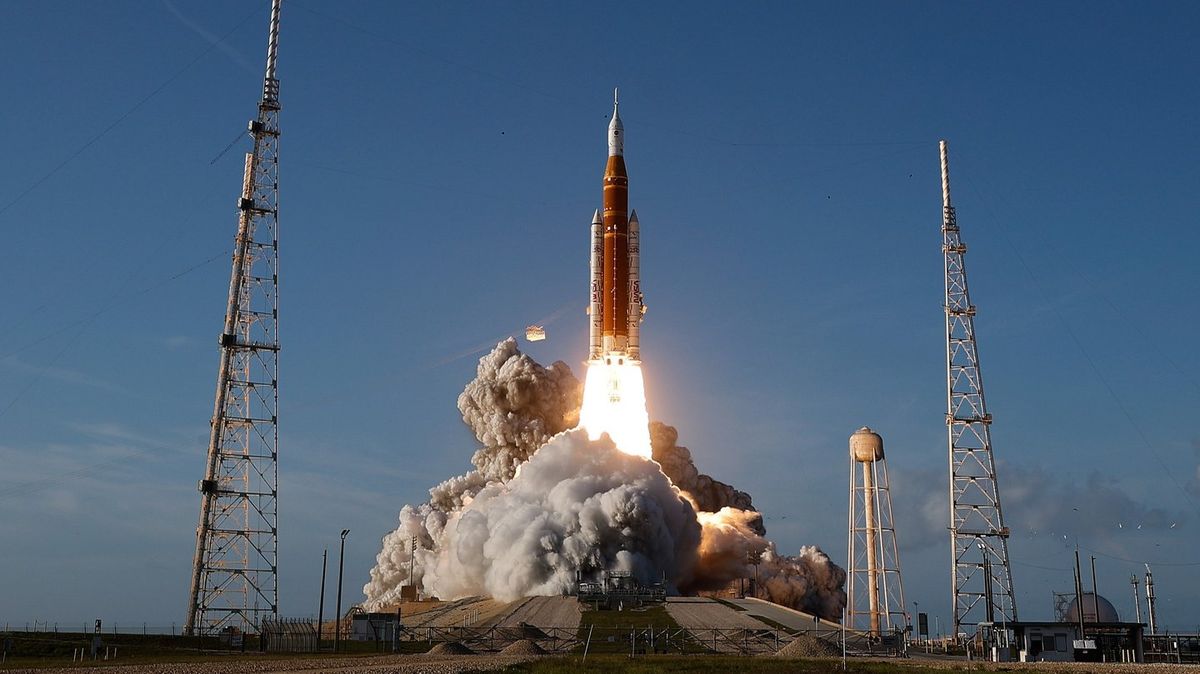
Artemis II has already set a new benchmark for how far a crewed spacecraft can travel, but many are now asking whether the astronauts’ pay matches the scale of the achievement.
NASA astronauts Reid Wiseman, Victor Glover, Christina Koch and Jeremy Hansen departed Earth on Wednesday (April 1), beginning a landmark journey toward the Moon.
After completing a flyby that took them past the Moon’s far side, the crew is scheduled to head home on April 10. The mission also marks the first time humans have traveled to the Moon since Apollo 17 in 1972.
To date, the flight has largely unfolded as expected, though there was a tense moment when the Orion spacecraft’s passage behind the Moon led to a 40-minute communications blackout with mission control.
Outside of that planned-yet-still-nerve-wracking loss of signal, the mission has continued smoothly.
With interest in the flight soaring, attention has also turned to what astronauts actually earn—especially given the level of training, risk, and responsibility involved.
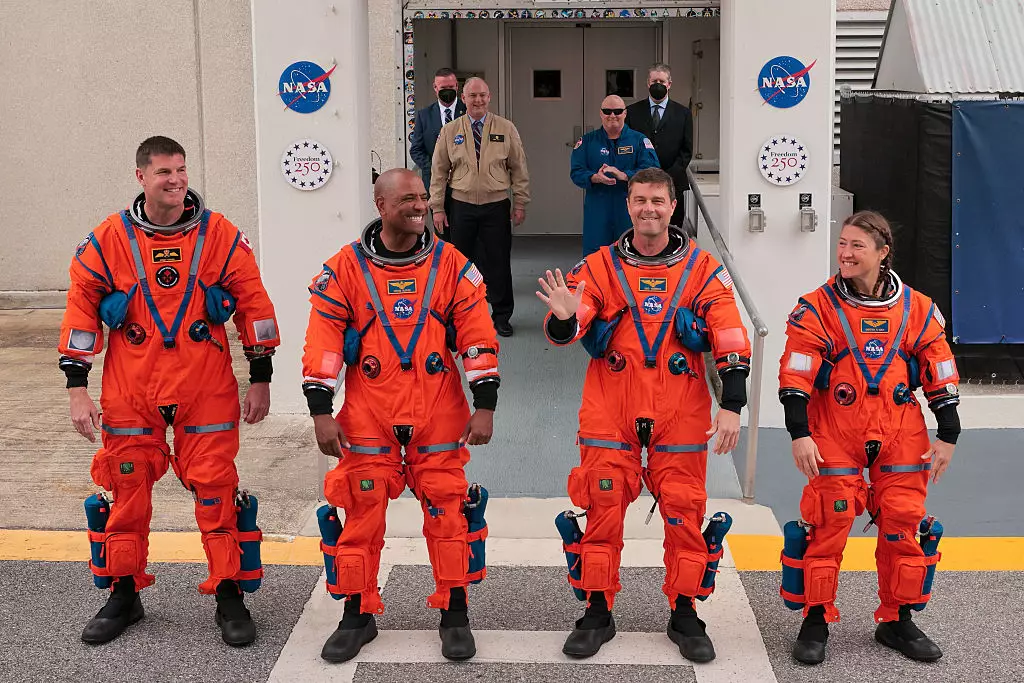
Becoming a NASA astronaut demands years of preparation and qualification, combining advanced technical knowledge, scientific expertise, and strict physical standards designed for extended periods in space.
Despite the unique nature of the job, astronauts are paid using the same federal system as many other US government employees: the General Schedule (GS) pay scale.
For a crew like Artemis II’s, salaries typically fall in the GS-13 to GS-14 range, with the final figure depending on factors such as experience, step level, and professional background.
The General Schedule runs from grades 1 through 15. At the lowest end, Grade 1 includes pay levels starting at $30,249 and rising to $37,825.
At the top end, a Grade 15 salary in Washington can range from $169,279 to $197,200.
For GS-13 and GS-14 specifically, that generally means annual pay in the region of $90,000 to $150,000.
NASA said in 2025 that it pays its astronauts $152,258.00 per year, using its 2024 pay schedules as the basis.
The agency also described that figure as an ‘approximation’.

What the publicly cited salary figures don’t clearly spell out, however, are the additional details people often wonder about—such as benefits, overtime, or whether compensation changes if a mission extends beyond its planned duration.
It’s also worth remembering what the role demands long before launch day. Indeed summarizes the preparation like this:
“While on Earth, they train at facilities such as Johnson Space Center in Houston, gaining proficiency in SCUBA diving, survival scenarios, robotics, and ISS systems,” the job site wrote under its ‘Astronaut’ career page. “Along with technical ability, astronauts must exhibit strong critical-thinking skills, self-discipline, and adaptability—all essential for high-pressure environments and isolated conditions.”
That list captures why many people are surprised that astronaut pay is structured much like other federal roles, despite the extreme performance expectations.
Alongside the human element, Artemis II is also drawing attention for what it’s bringing back visually. The mission is the first time digital cameras have traveled this far into deep space, and the crew’s kit includes two professional digital SLR cameras—one paired with a wide-angle lens and another with a high-powered zoom—plus a mirrorless camera with a standard lens.
The crew also carried iPhones into space, with images from inside Orion reportedly taken on an iPhone 17 Pro Max. Other handheld hardware includes a Nikon D5 and GoPros.
All in, Orion is equipped with 32 cameras and imaging devices. Fifteen are fixed to the spacecraft itself, while the remainder are operated directly by the astronauts.
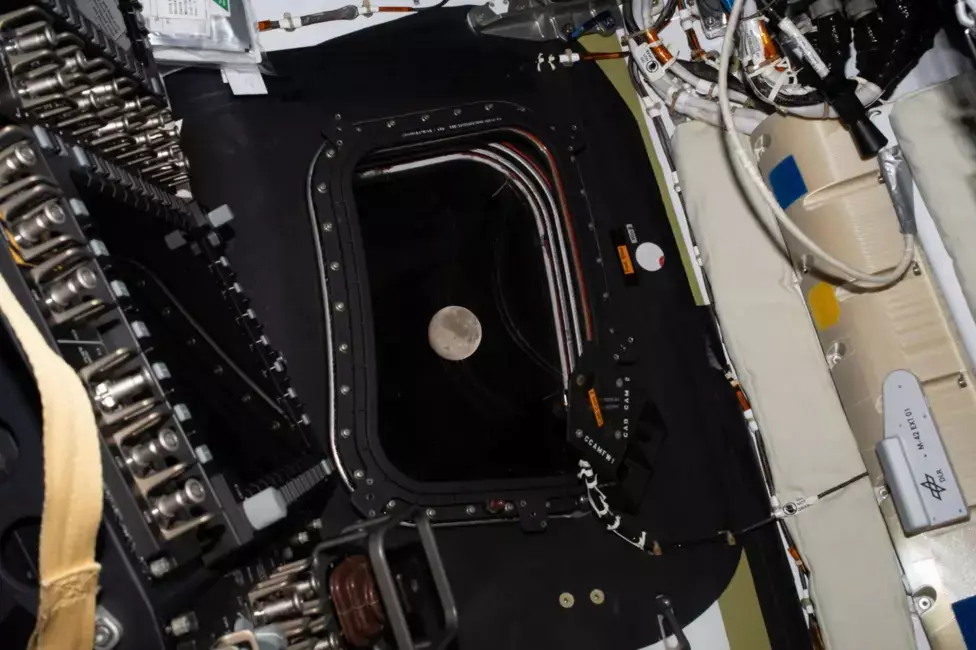
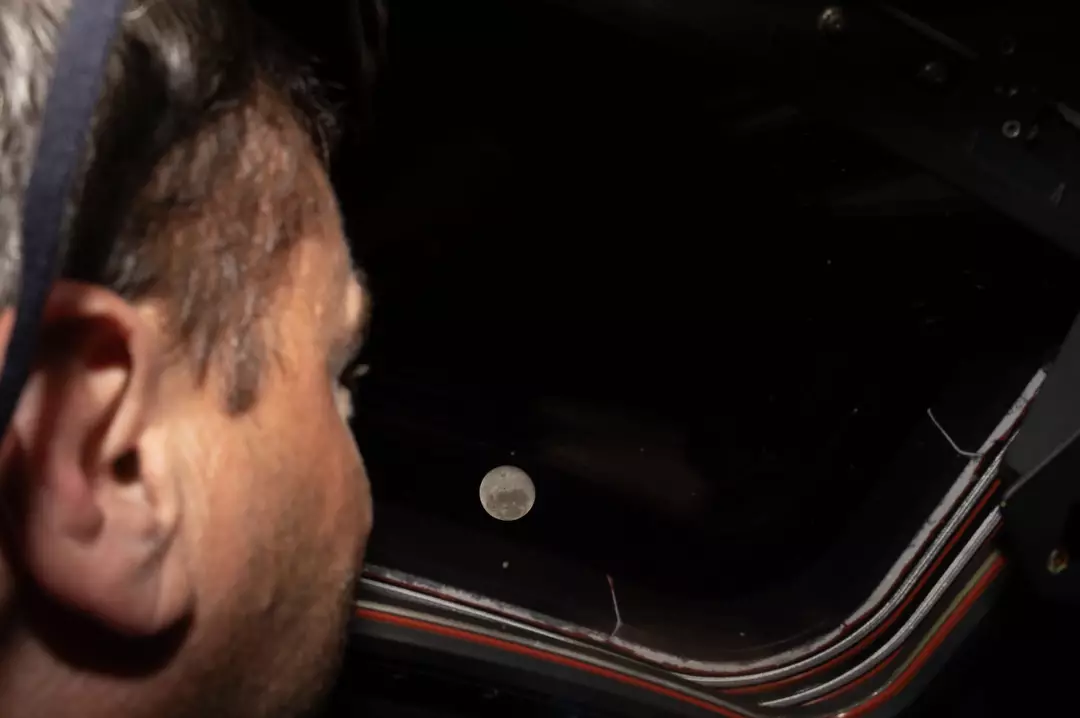
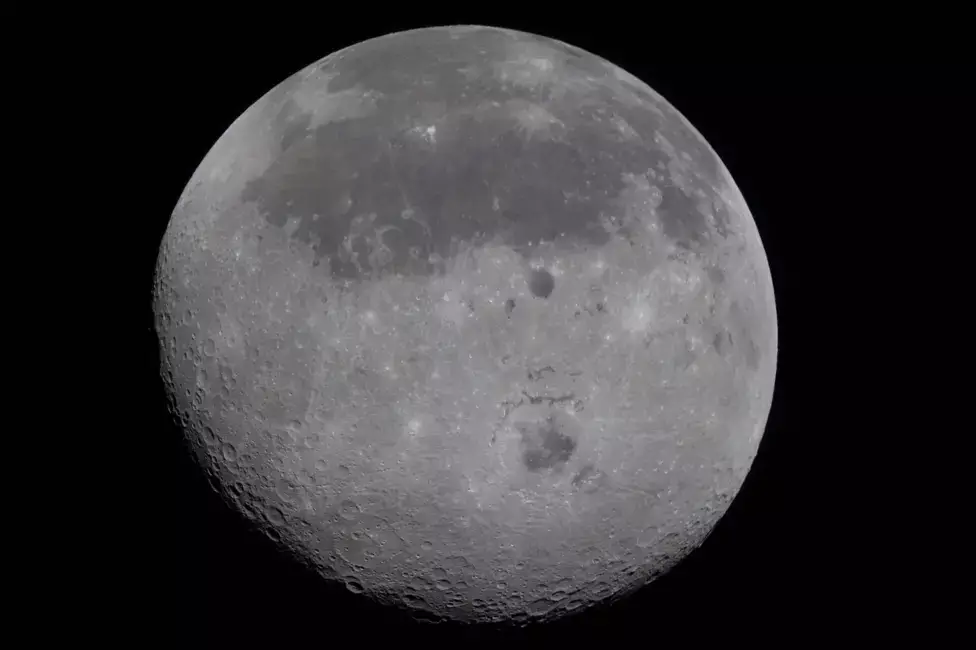
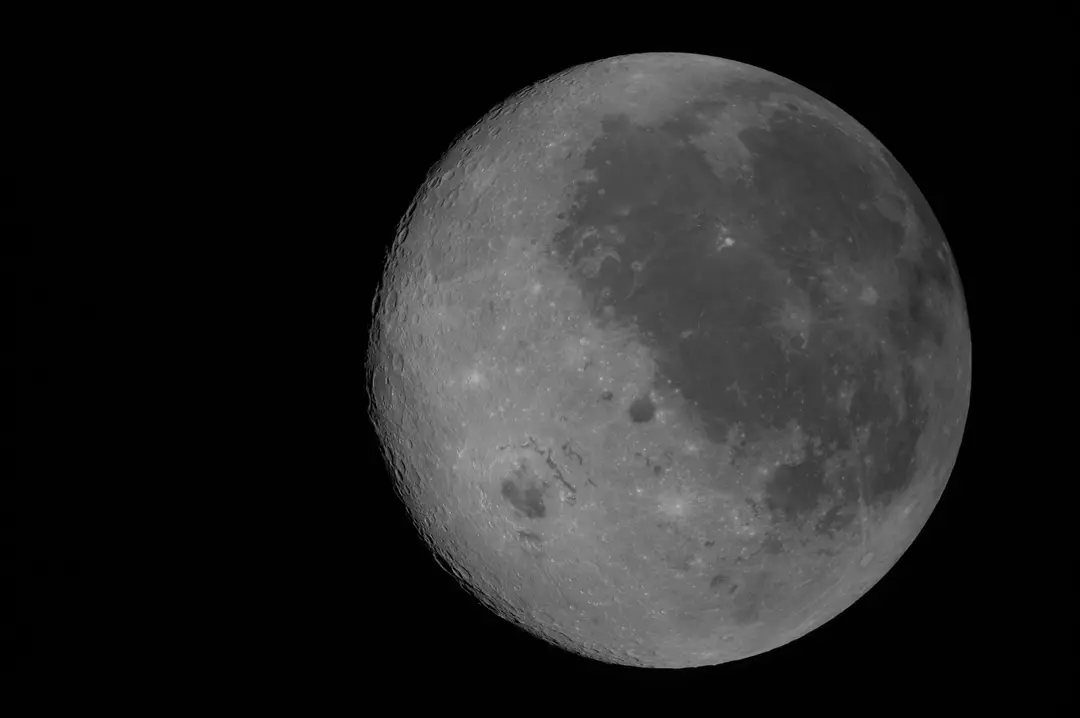
NASA has said it intends to release more imagery over time, but the mission has already offered striking early views, including a full, dramatic look at the Moon.