

Warning: This article contains discussion of cancer which some readers may find distressing.
Bowel cancer is often associated with older age, but a UK doctor has stressed that no one is ever “too young” to develop it — and has outlined key warning signs to take seriously.
Colon cancer (also known as bowel cancer) is being diagnosed in large numbers. The American Cancer Society has estimated that 108,860 new cases of colon cancer will be identified this year — even as we’ve only just reached April.
The disease can progress quickly if symptoms are missed or dismissed, and younger people may be more likely to put changes down to stress, diet, or minor stomach issues, assuming cancer is unlikely at their age.
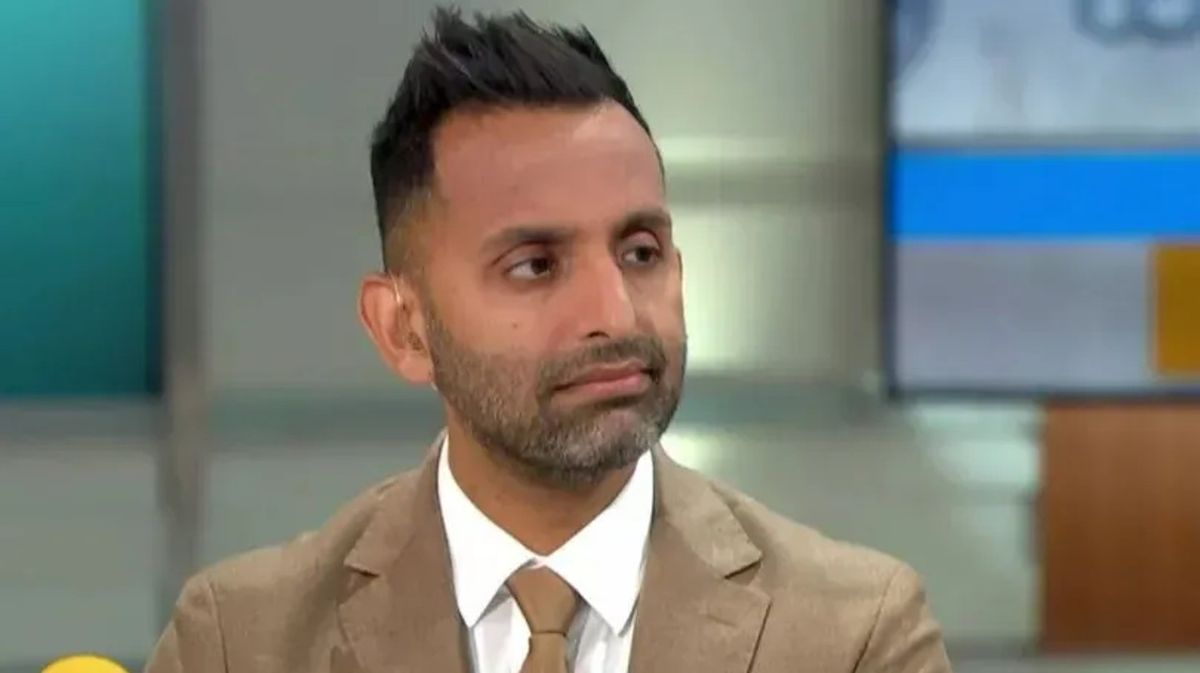
Dr Amir Khan, who regularly shares health advice on common symptoms and everyday habits, has recently spoken about what may increase risk — and why it’s important to act on persistent changes rather than ignore them.

The ITV This Morning doctor said diagnoses are rising among younger age groups, particularly in more affluent countries.
Dr Khan said on the breakfast news show: “We are seeing younger people getting diagnosed with bowel cancer right across the board, particularly in wealthier countries. We think that is because of several things that happen all throughout life, and it starts in childhood.
“We’re seeing it in these generations more so now than we did in previous generations. It’s exposure to ultra-processed foods, sugary drinks, being overweight and a sedentary lifestyle.”
If you’re concerned about your own risk, medical guidance recommends keeping an eye on symptoms that persist, worsen, or don’t have an obvious explanation. The Mayo Clinic notes several potential signs to watch for.
Symptoms of bowel cancer can include:
- A persistent change in bowel habits (diarrhoea, constipation, or narrower stools)
- Blood in the stool or rectal bleeding
- Ongoing abdominal pain, cramping, bloating, or discomfort
- A feeling that the bowel doesn’t fully empty
- Unexplained weight loss
- Persistent fatigue or weakness (including from iron-deficiency anaemia)
Dr Khan added in an Instagram post: “[The doctor] might refer you to a genetics clinic if appropriate. A geneticist conducts a detailed assessment and can determine whether people need screening or genetic testing.”
If you’ve been affected by any of these issues and want to speak to someone in confidence, you can contact the American Cancer Society on 1-800-227-2345 or use their live chat feature, available 24/7 every day of the year.