

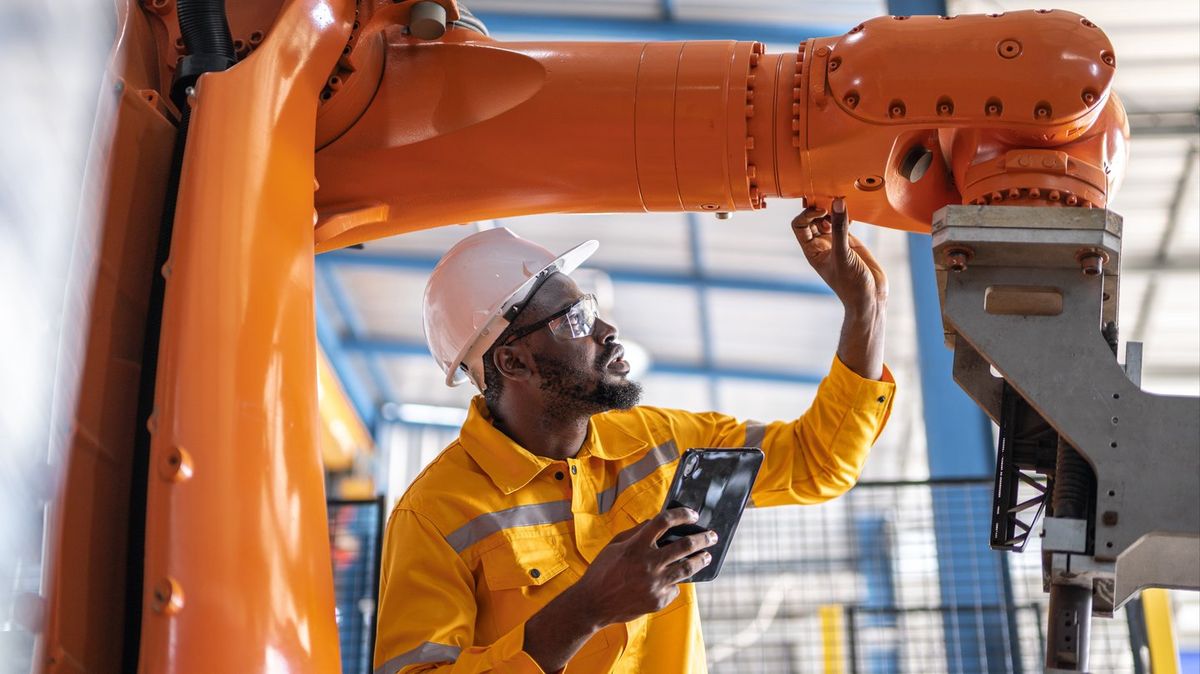
We’re in the midst of rapid technological progress that’s reshaping the workforce at speed, and one expert says there are only a few roles likely to make it through the looming “job-pocalypse.”
That kind of transformation can feel exciting—right up until it becomes clear what it replaces. When a new world takes shape, the old one people planned their lives around can start to fade, including the careers they trained for and relied on.
Although artificial intelligence may be the latest force driving the change, the anxiety that comes with social and economic upheaval is nothing new. Writing from a fascist prison in 1930, Antonio Gramsci captured that tension in a line that still resonates: “The old world is dying, and the new world struggles to be born: now is the time of monsters.”
For anyone trying to “future-proof” their working life, the challenge is that automation pressure is no longer confined to traditionally vulnerable sectors. Roles once considered stable—such as customer service, banking, and even parts of academia—are increasingly exposed as AI tools take on more complex tasks.
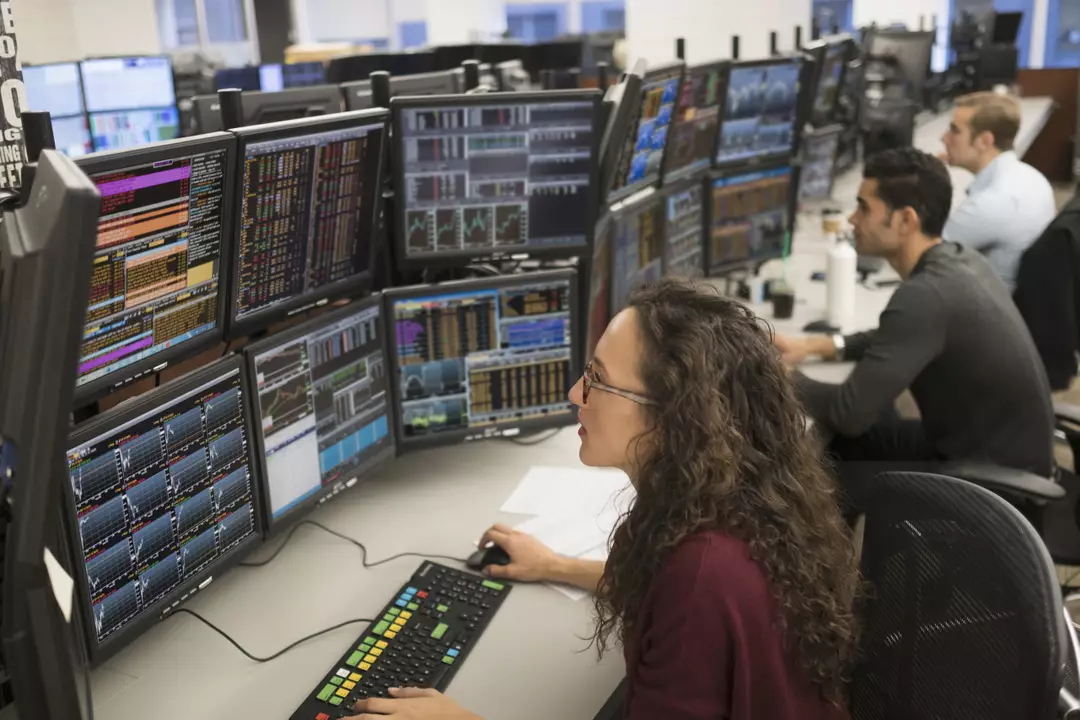
Trevor Houston, CEO at ClearPath Wealth Strategies, said that ‘AI isn’t coming; it’s already here,’ and added: “This year, we’re seeing it very much taking over a lot of jobs that are repetitive and process-oriented.
“Everything from customer service, administrative assistants, some marketing jobs [and] some finance jobs. In areas where processes are predictable, AI is moving in very quickly.”
Looking ahead, some forecasts suggest the impact could be widespread. Analysts at Goldman Sachs have argued that, within roughly the next decade, as many as seven percent of jobs in the US could be displaced by AI—some shrinking dramatically and others vanishing altogether.
Even so, there are a few areas that observers believe are far more resistant to replacement. One of the clearest examples is nursing. The argument is simple: many parts of care require human presence, empathy, and judgment—traits people are reluctant to outsource to machines when health and dignity are at stake.
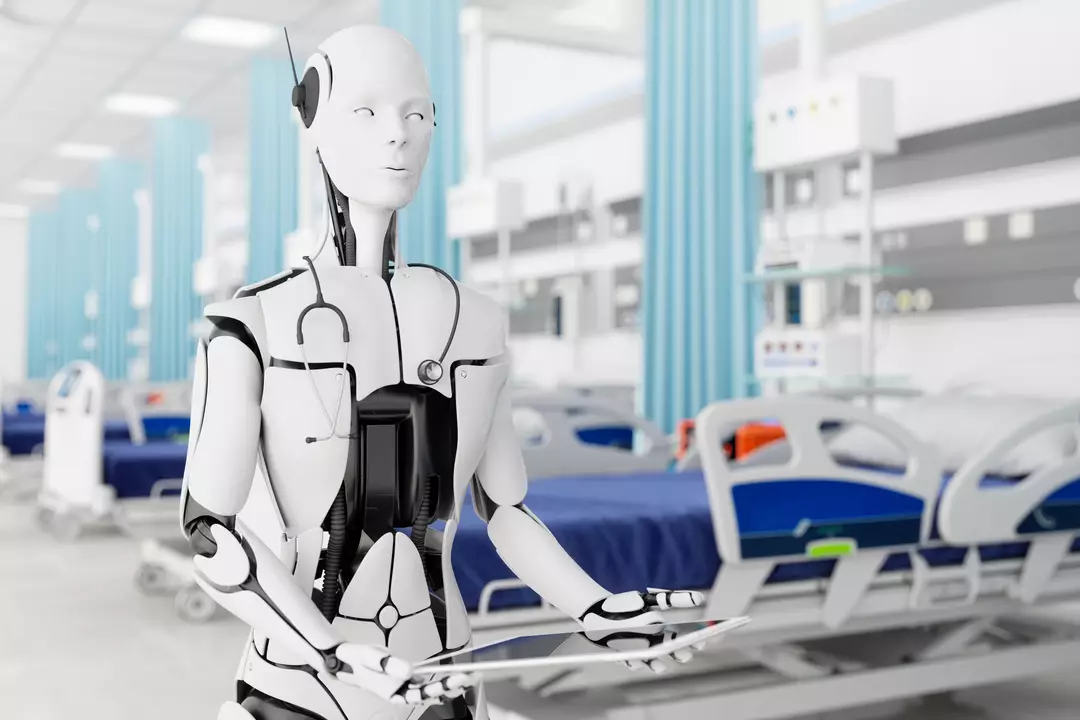
A 2024 study in Women’s Health Nursing pointed to the kinds of responsibilities that don’t translate cleanly into automation—such as making ethical calls in real time, responding to unpredictable shifts in a patient’s condition, and navigating the realities of fear, grief, and trust.
Researcher Hae-Kyung Jo said: “No matter how advanced and intelligent AI becomes, it cannot replace the core aspect of nursing, which is the care that necessitates human emotions and judgments.
“AI lacks the capacity to embrace the nursing philosophy that is grounded in human dignity and cannot be held accountable for its actions.”
Care roles aren’t the only category seen as resilient. Skilled trades—including plumbing, electrical work, and HVAC repair—are also widely viewed as difficult to automate with today’s robotics.
While AI can handle digital tasks at scale, physical work in unpredictable environments is another matter. Repair jobs often happen in cramped spaces, awkward angles, and unique site conditions—situations that demand dexterity, adaptability, and hands-on problem-solving that machines still struggle to match.
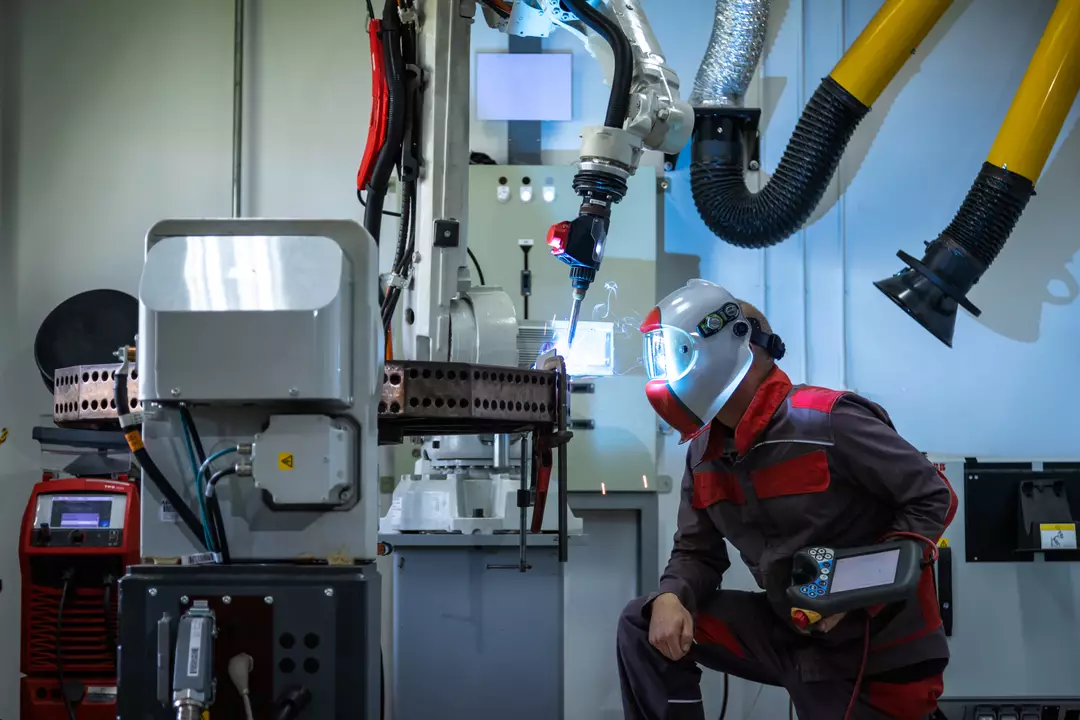
“A lot of trades need … hand-eye coordination, dexterity, and flexibility, such as an electrician or a plumber,” the Independent reports Utah-based All Trades Staffing Services writing. “Robots … don’t have the required dexterity or motor controls for this kind of work.”
The third role often highlighted as harder to replace is less straightforward: crisis management. This work typically demands fast decisions in high-stakes moments, clear accountability, and an understanding of messy human factors—politics, fear, competing incentives, and public trust—that can’t be reduced to pure logic.
AI may still play a major supporting role by summarizing information, modeling scenarios, or drafting response options. But in urgent situations where consequences are immediate and reputations—or lives—are on the line, many argue organizations will continue to rely on humans to make the final call and carry the responsibility.
So as the new world “struggles to be born,” those looking for a more durable career path may find the best odds in nursing, the skilled trades, or crisis management—jobs where human judgment, accountability, and real-world complexity remain difficult to automate.