

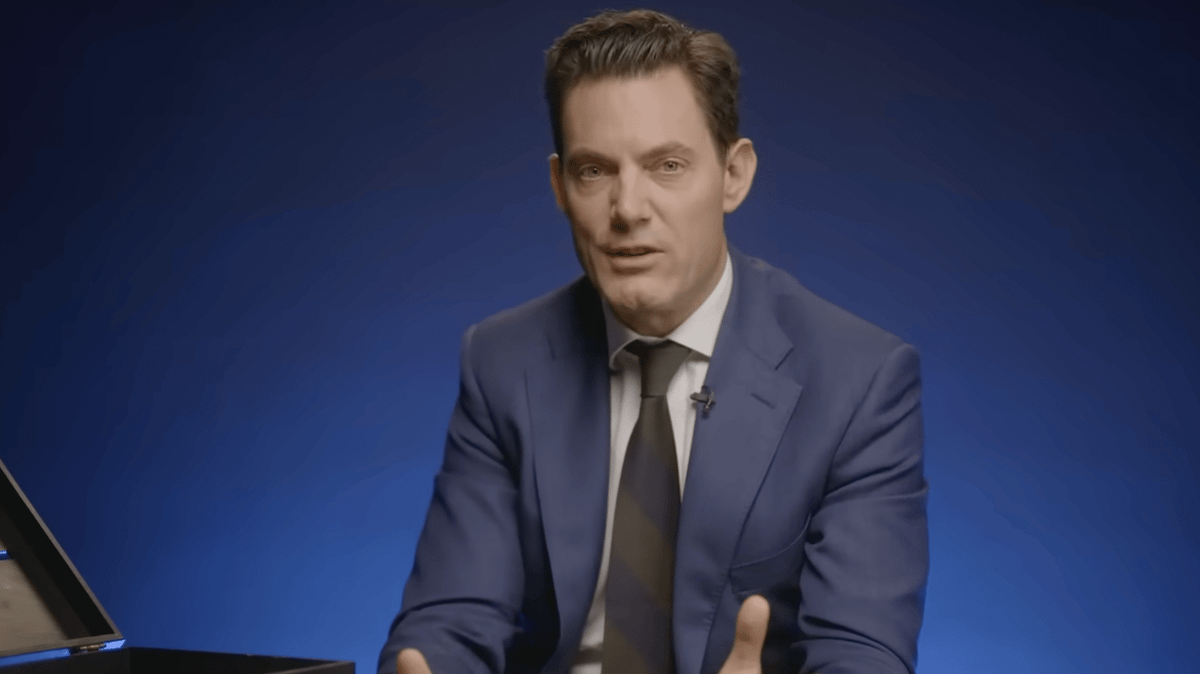
A prominent plastic surgeon has outlined why one well-known cosmetic operation comes with such significant risk.
Consultant plastic surgeon Dr Dan Marsh has spent more than two decades working across cosmetic and reconstructive procedures.
One operation he’s familiar with is the Brazilian Butt Lift (BBL), which has surged in demand in recent years as more people travel for treatment.
The procedure is designed to create a fuller, rounder buttocks and is often sought to enhance an “hourglass” silhouette.
However, surgeons and safety experts have repeatedly warned that BBLs can be extremely hazardous. When things go wrong, complications can be severe and, in some cases, fatal.
In one case, 31-year-old Melissa Kerr died in Istanbul in November 2019 after travelling to undergo the surgery.
An inquest into her death was told that BBLs have the highest fatality risk of any cosmetic surgery, with deaths occurring in more than one in 4,000 procedures.
Dr Marsh explained Stories why BBLs carry such a high health risk.
Explaining the surgery, he said: “This is a surgery where you use liposuction to suck fat from somewhere in the body, typically the tummy, flanks, upper back or thigh area, and then you would re-inject it into the buttocks.
“Really popular a few years ago, the Kardashians popularized the BBL look.”
He said the danger is closely tied to how the procedure is performed.
“The reason it’s so dangerous is because you’re injecting high volumes of fat,” the doctor explained.
“Now that’s fine if it’s done under the skin and in the not too high volumes, so if you’re looking at less than a litre or something, but people are putting two litres plus into the buttocks.”
If the injected fat doesn’t stay where it’s intended to go, the outcome can be catastrophic.

“Sometimes that fat will go into the vein, the fat in the vein will then go round and lodge in the lungs, and patients would die because of the fat embolus, or fat going from the vein up into the lungs,” the doctor explained.
So what can be done to make the operation safer?
Dr Marsh said one step that can help is using imaging to guide placement, allowing the surgeon to track where fat is being injected in real time.
“These days BBLs are done with ultrasound guidance, so you use an ultrasound probe so you can see exactly where you’re injecting the fat,” he explained.