

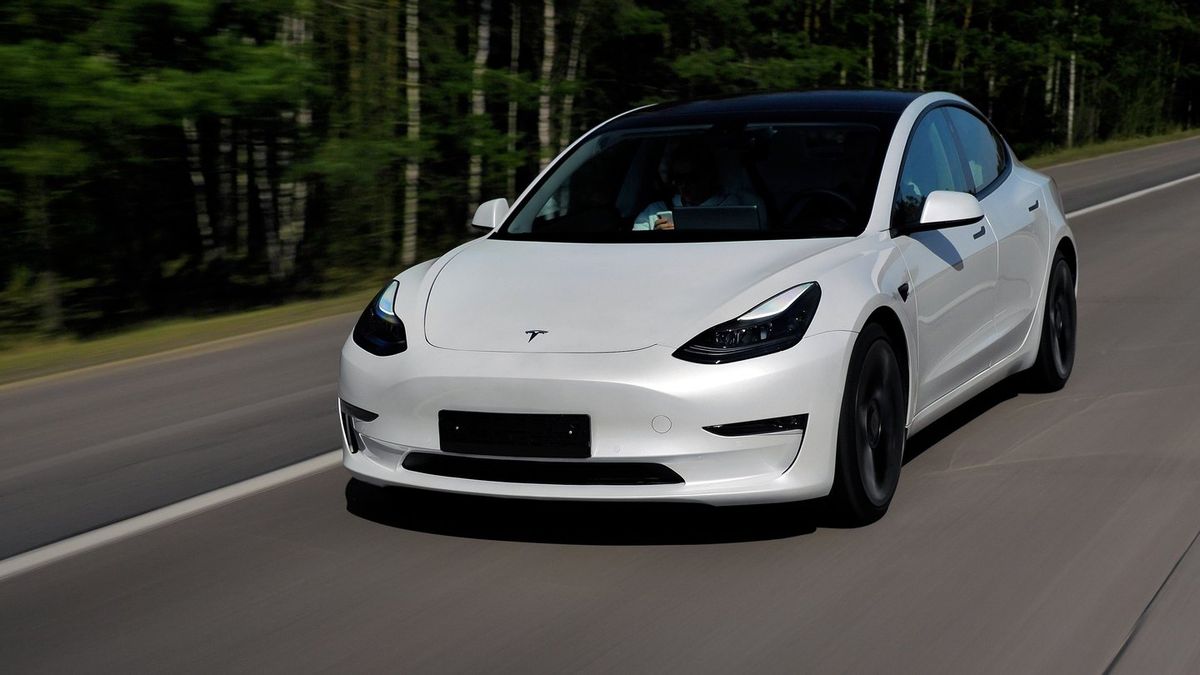
Tesla drivers have shared what happened to their electricity costs after switching to one of Elon Musk’s cars—and the results aren’t as straightforward as you might expect.
Figures from Pew Research Center suggest roughly a third of people in the US would seriously think about buying an electric vehicle (EV).
It’s easy to see the appeal: no tailpipe emissions, and day-to-day running costs can be lower than petrol or diesel.
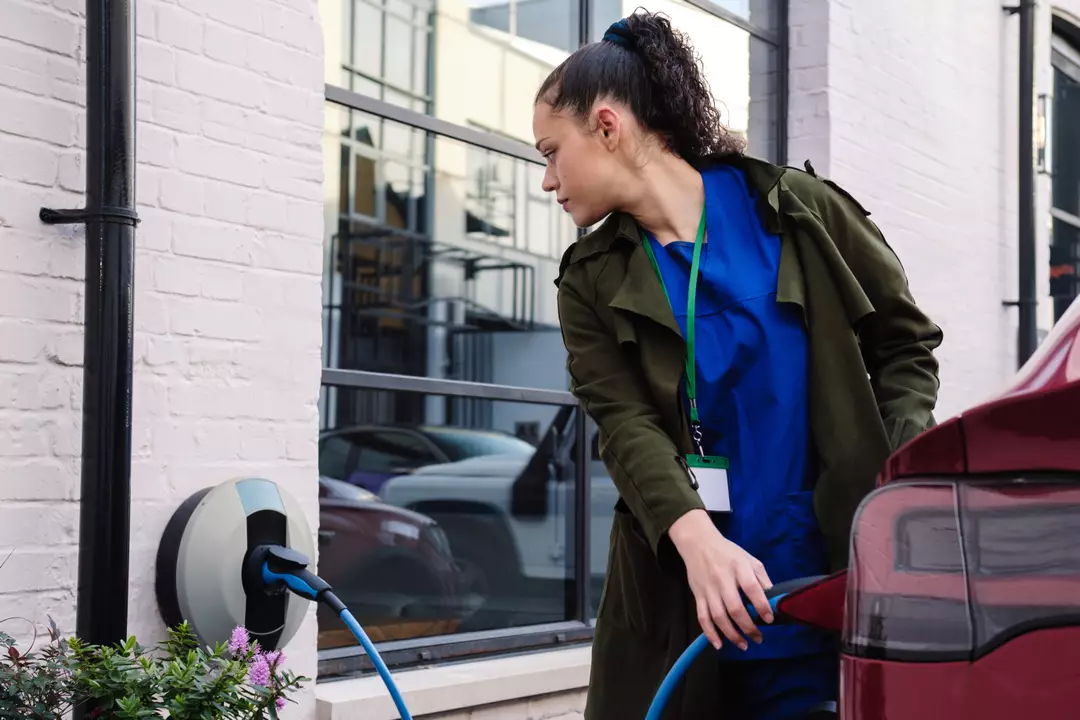
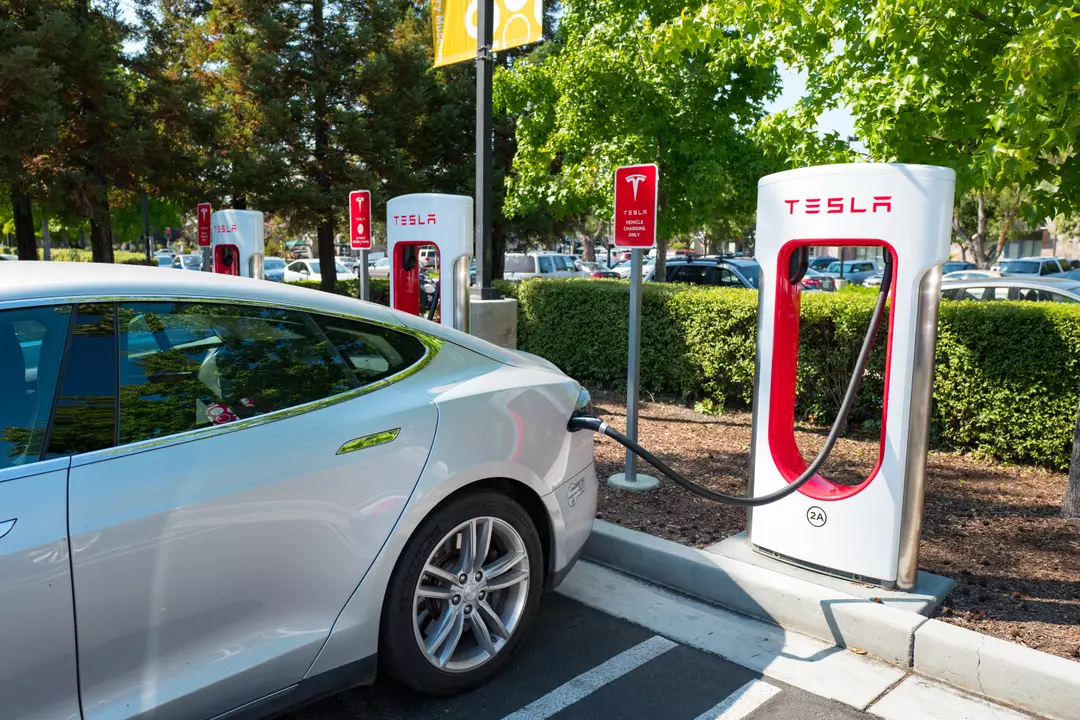
Still, EVs need power from somewhere. Plenty of Tesla owners opt to fit a home charger in the garage or on the driveway so they can plug in overnight.
That convenience can show up on your monthly statement, though, because home charging adds to household electricity use.
So what does that look like in real life? Tesla owners on Reddit compared notes.
Towards the end of last year, someone considering a Model Y posted in the r/TeslaLounge subreddit asking existing owners how much their home charging affected their electricity bill.
They asked: “I was just wondering for those who charge their cars at home, do you notice a big difference in your electricity bill from before you had a Tesla?”
The thread drew hundreds of replies, and the numbers varied widely. One Tesla owner in California said charging at home had doubled their electricity costs.
Another commenter wrote: “I just paid a $572 electric bill from this past month, my Tesla being less than 5 percent of my electricity usage. AC is nuts!”
One person said they’d seen a noticeable rise personally, but argued that what you pay largely depends on your circumstances.
They pointed to factors such as annual mileage, how often you charge at home, local electricity rates, and whether your property has solar panels installed.
Another driver shared their experience: “I live in Ohio I use a mobile charger to charge every night I drive about 12k miles a year.
“My electric bill has gone up around 50-100 bucks monthly between winter and summer. Most of that I account to the car. Well worth it since gas was much more expensive monthly,” commented someone else.
A fifth response summed it up like this: “Your bill will go up especially as your drive more. But consider what you are spending on electricity and compare that to what it would cost to go the same distance in a gas car.”
They also suggested a potential perk for people who travel often.
“Also consider if you travel, many hotels offer free charging,” they claimed.
NerdWallet reports that more than 1400 Hilton Hotels across the US provide free EV charging stations.
For anyone who wants a clearer estimate, Tesla also offers a free Charging Calculator to forecast what charging might cost.
You can select your model, enter your typical daily mileage, and get a tailored estimate.
The calculator also compares the charging cost with what you might have spent on petrol.
As one example, it suggests a Model Y driven 30 miles per day could cost $1.51 per day to charge, while saving $2.16 versus fuel.
Over a month, that’s roughly $46 in charging costs and about $65.80 saved overall.
Those figures are based on a comparable petrol car achieving 25 miles per gallon, plus an average residential electricity price of $0.18 per kilowatt-hour forr residentual electricity.
You can access the Tesla Charging Calculator to see how much you can save for yourself here.