

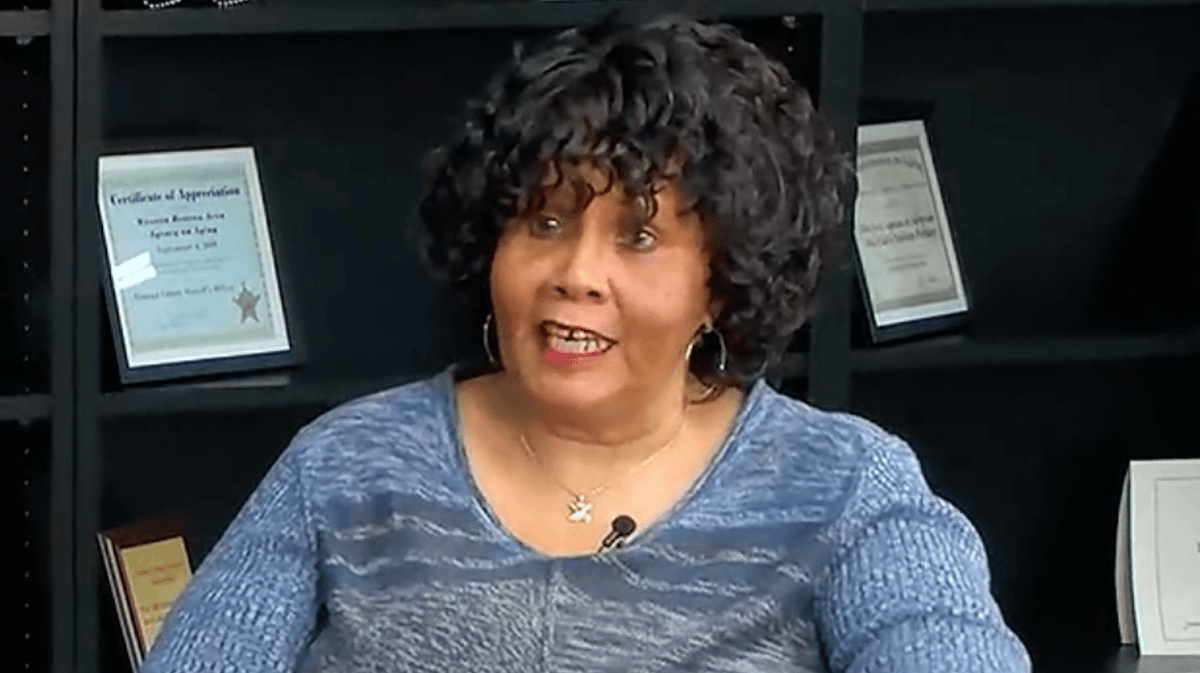
A grandmother got a surprising phone call from someone claiming to be law enforcement, insisting she needed to hand over $5,000 to get her grandson released from jail — but the plan quickly fell apart because her grandson was actually at home with her.
Phone scams like this have become an all-too-common problem, with older people often singled out as targets.
It follows other recent warnings, including reports from Apple Pay users who said they’d been contacted about alleged suspicious activity, or told their accounts were locked and under investigation.
In one case, a woman nearly lost $15,000 when she was pressured into withdrawing money, only for a bank teller to overhear the conversation and advise her to end the call.
A similar tactic was used on Crysta Willis in Cleveland, Ohio, when a caller attempted to convince her to pay thousands to help a family member.
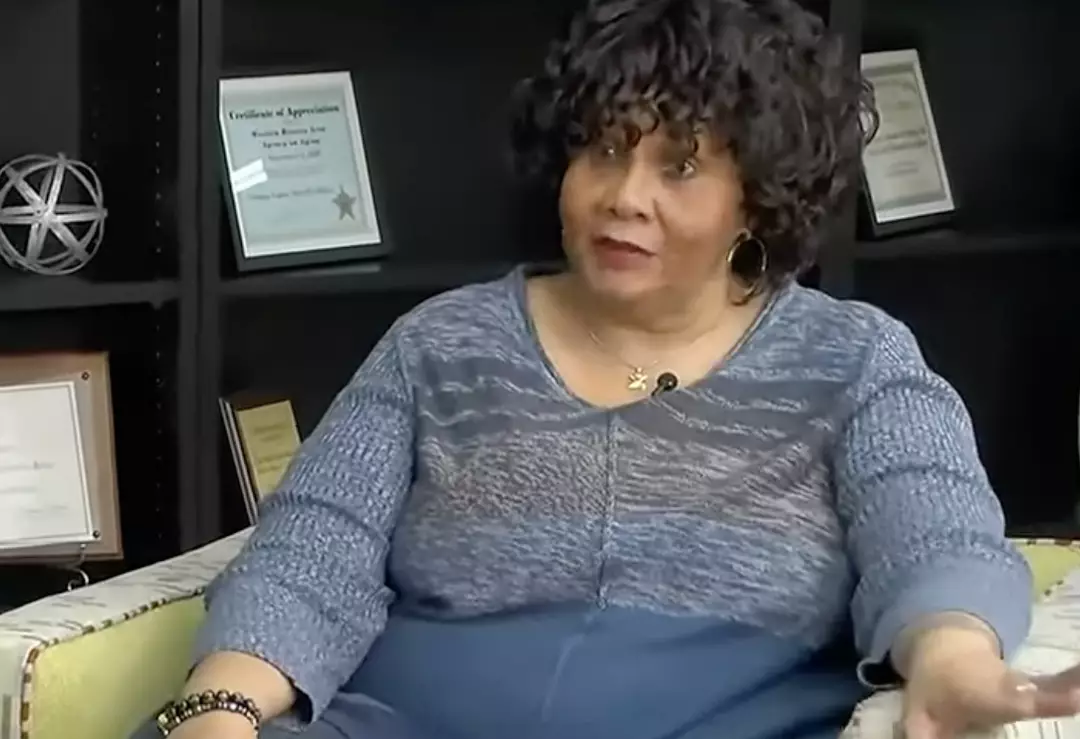
Speaking to Cleveland 19, Crysta described the claim the caller made and how he tried to pressure her into paying up.
“He says, ‘I’m the deputy somebody and your grandson was in an accident. He’s at fault and you need to pay his bond for him to get out’,” she said.
The man suggested that if she paid $5,000, her grandson wouldn’t have to remain in jail over the weekend.
But the story didn’t add up, because the grandson in question was not in custody at all — he was upstairs in the house at the very moment the scammer rang.
Realizing what was happening, Crysta decided she wasn’t going to play along quietly, and instead chose to keep the caller talking while she challenged him.
“I’m thinking to myself in the back of my head, this is going to be really cute because I know for sure my grandson is upstairs. But I’m gonna go with this,” Crysta shared.
As the conversation continued, she pushed for details, asking for the caller’s name and which sheriff’s office he supposedly represented — information he failed to provide.
Crysta then confronted him directly, scolding him for attempting to exploit older people. According to her, the caller tried to justify what he was doing by saying it was simply part of his work.
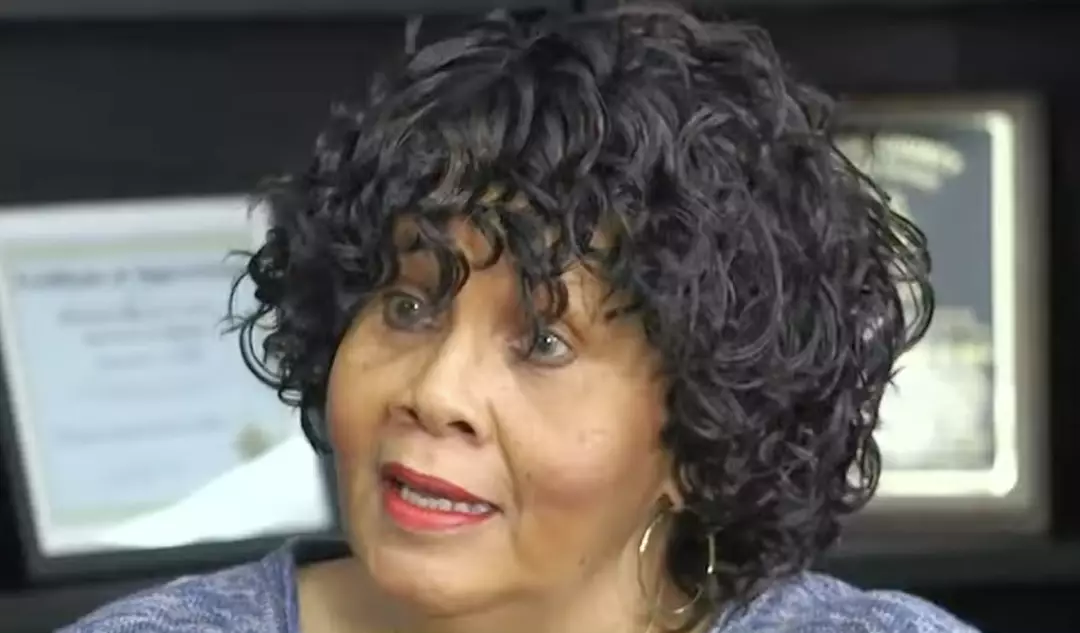
The grandmother said: “He was like ‘This is my job’ and I was like, ‘This is your job, scamming? This is how you want to feed your family?’ Then I just went off on him.”
Crysta said she stayed on the phone laying into him for around 10 minutes.
In response to cases like this, Susan Licate from the FBI’s Cleveland office explained that scammers often lean on emotion, using fear and urgency to push grandparents into acting fast out of concern for their loved ones.
She shared: “Maybe they’re arrested. Maybe they’ve been in an accident, or perhaps stranded on the side of the road and need money, and they need money now. And that’s when the scam starts.”
Licate went on to advise: “That first call that you make should be to the person who is purported to be in trouble to verify if they are in fact stranded on the side of the road in the hospital, in jail, or have been detained or arrested or whatnot. And if you can’t reach that person, say it is the grandchild, call the parent or another. Family member that may be able to verify and vouch for their health and safety.”