

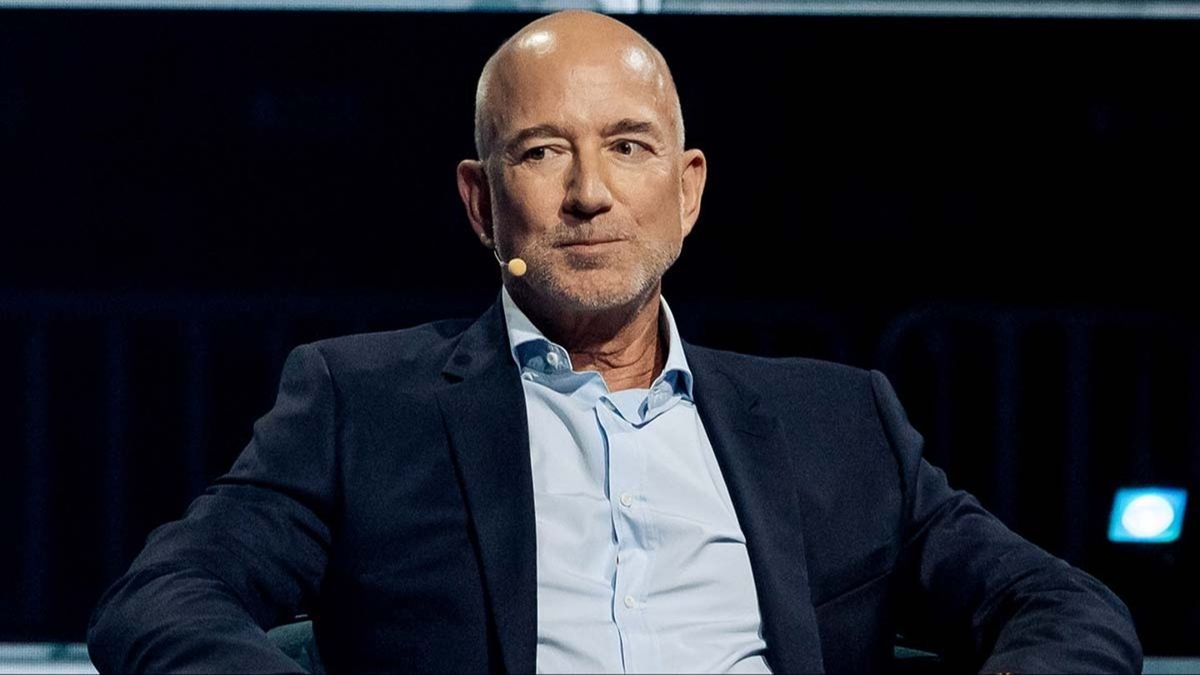
If you’ve ever wondered how much income tax the rich and famous have to pay due to their lavish salaries – an expert has revealed that it’s likely not much at all, as she detailed a bizarre legal ‘loophole’ you probably don’t know about.
Forbes currently lists Amazon founder Jeff Bezos as the world’s third-wealthiest person, with an estimated net worth of roughly $256.3 billion at the time of writing.
He sits behind Larry Page, the former Alphabet CEO (about $277.7bn), and Tesla and SpaceX boss Elon Musk (around $790.1bn).
With figures like that, it’s easy to assume the IRS would be pulling in enormous income-tax checks from these ultra-wealthy business leaders.
But a law professor says the reality can look very different.
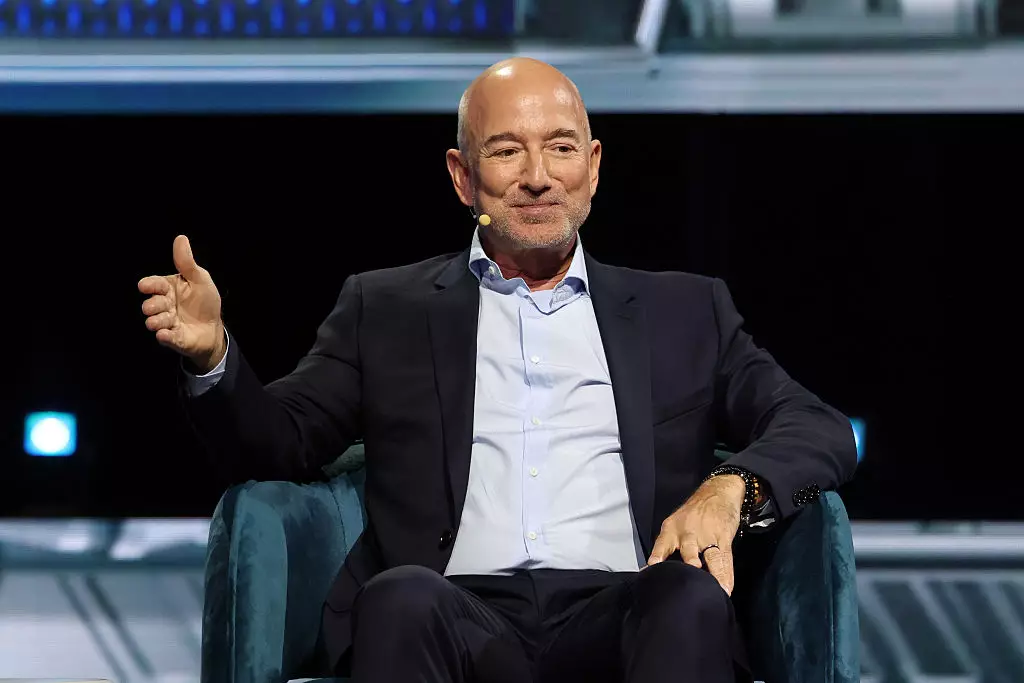
In fact, people as wealthy as Bezos may pay surprisingly little income tax because they’re able to take advantage of a strategy often described as a “loophole”.
Fortune reported that Bezos kept his Amazon base salary at roughly $80,000 for many years, and Boston University professor Ray Madoff believes there’s a clear incentive behind that approach.
During an appearance on the outlet columnist Ezra Klein’s podcast, she shared what she described as the key way billionaires can keep official pay low—reducing the tax hit—while still funding extremely expensive lifestyles.
Madoff noted that ‘high income lawyers, doctors, finance people’ are all ‘paying a significant chunk of the income taxes’.
‘However, when it comes to the wealthiest Americans, the Zuckerberg, Bezos, Musk, Ellison’, Professor Madoff claimed that they are less likely to pay taxes.
Her point is that shares can be used in ways that reduce reliance on taxable salary income.
Using Bezos as an example, she said: “He started his own business. He owns a dominant amount of the stock. And over the course of the years, he has taken a salary that is no higher than $82,000. And it’s been over 20 years now. And that’s his salary is always capped at $82,000.”
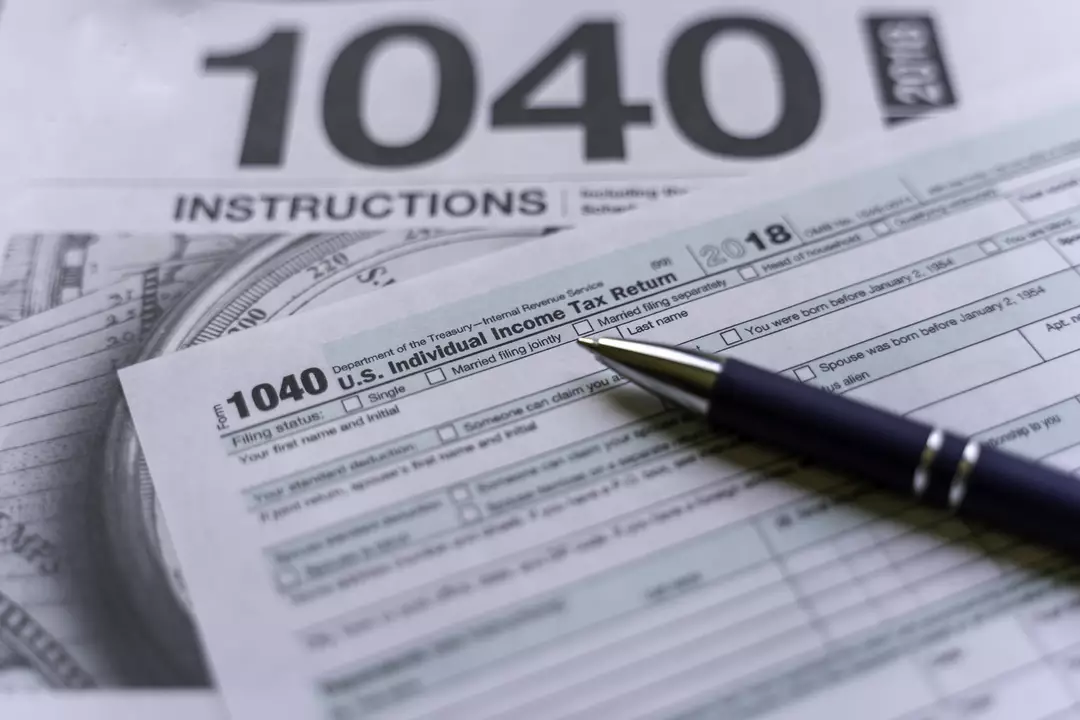
She added that the number matters because taking a much bigger paycheck would expose him to ‘high income taxes and payroll taxes’.
Instead, she argued that billionaires often ‘take their benefits through the growing value of their stock’, because stock gains are generally tax free ‘with no time frame’ while they remain unrealized.
Madoff said tax applies when shares are sold, ‘and Bezos never has to sell the stock because he can simply borrow against the stock and use that money to support his lifestyle and to pay any interest that’s due on the loan’.
In that scenario, the cost of borrowing and repayment could end up being lower than what would be owed if the same money came through regular income.
That said, Bezos has in recent years sold shares at various times, including a plan to offload 25 million shares before the end of last year.
Earlier reporting by ProPublica, looking at the period from 2014 to 2018, estimated Bezos’ ‘true tax rate’ at 0.98 percent—well below the typical top marginal rate of 37 percent referenced for many Americans.
Representatives for Bezos have been approached for comment.