


The conflict involving Iran could soon have an unexpected consequence: a sharp jump in condom prices.
Karex, the largest condom manufacturer in the world, has cautioned that it may be forced to raise prices by as much as 30 percent — or potentially more — if the war drags on.
Chief executive Goh Miah Kiat said the company’s costs have climbed since fighting began, putting increasing pressure on production.
Malaysia-based Karex makes more than five billion condoms annually, supplying major brands such as Durex and Trojan, as well as public health providers including the UK’s NHS.
President Donald Trump has recently issued a fresh ultimatum and threatened to ‘blow up the rest of the country, their leaders included’ as the US and Iran continue discussions aimed at reaching an agreement. The situation around the peace talks remains uncertain, although Trump has said he will extend the Iran ceasefire while negotiations continue.

A key flashpoint has been disruption to shipping in the Strait of Hormuz, along with a U.S. Naval blockade aimed at Iranian ports. The turmoil has interfered with one of the planet’s most critical oil corridors, triggering ripple effects across global supply lines well beyond the energy sector.
Roughly one-fifth of the world’s crude oil and liquified natural gas typically moves through the strait.
Karex relies on oil-linked inputs, including ammonia used to preserve latex and silicone-based lubricants.
Goh said condom demand has increased by about 30 percent this year, even as supply routes have tightened and securing raw materials has become more challenging. More expensive freight and shipping delays have further compounded the strain.
“In bad times, the need to use condoms is even more because you’re uncertain with your future, whether you’d still have a job next year,” he told Bloomberg.
“If you have a baby right now, you’ll have one more mouth to feed,” he continued.
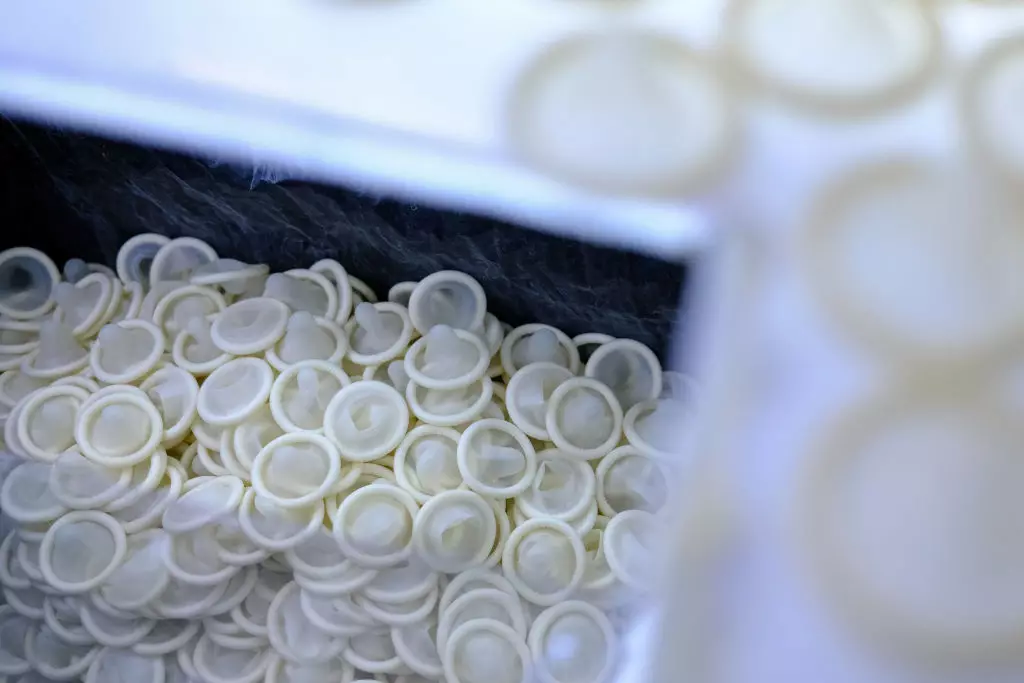
Potentially higher condom prices are only one of the broader knock-on effects being linked to the ongoing US-Israel conflict with Iran. The impact is spreading beyond fuel markets, and consumers are beginning to feel it in multiple areas.
Air travel costs have climbed in recent weeks, with research from Teneo finding that the cheapest economy fares are now about 24 percent higher than they were a year ago.
When crude oil rises, jet fuel typically becomes more expensive too — and because fuel accounts for a major share of airline operating costs, that often translates into increased fares or added passenger fees.
Travel specialists have also been offering advice to people booking summer trips on ways to keep spending down.
Meanwhile, interruptions to Gulf shipping have pushed fertiliser prices higher and contributed to a helium shortage, an element used in computer chip manufacturing.
The bottled water sector is also feeling pressure, with producers reporting difficulty obtaining the materials required for production.