

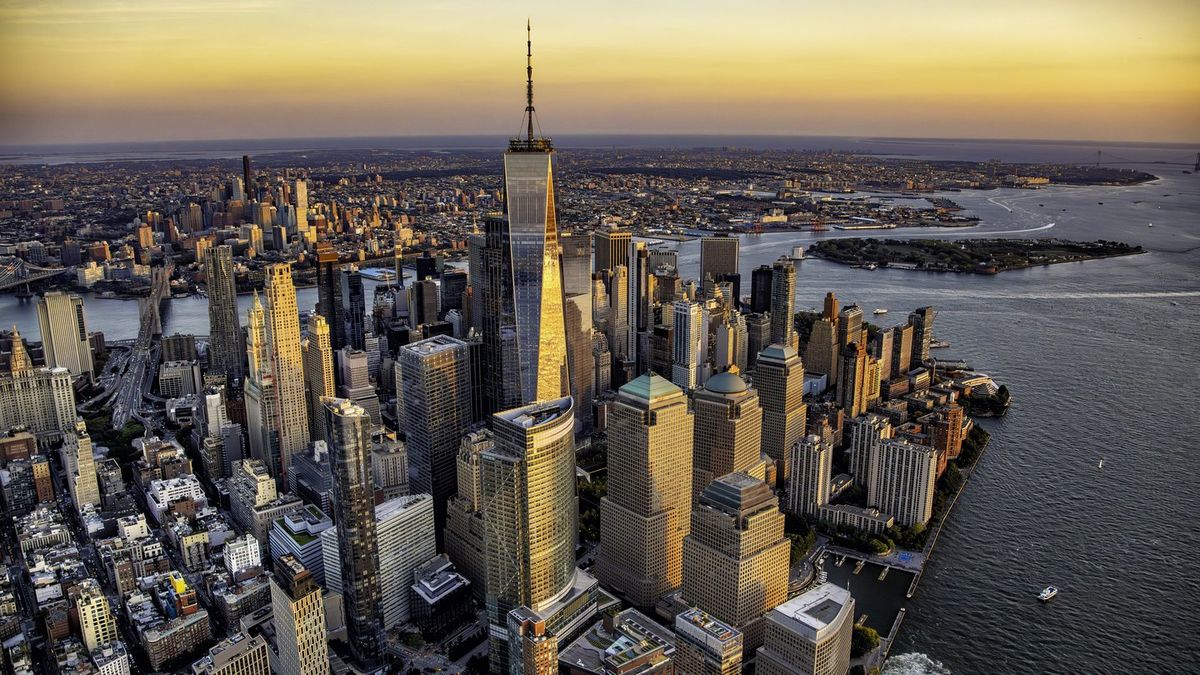
A bleak simulation has outlined what could happen to New York City if every glacier and ice cap on Earth were to melt. The warning arrives as some scientists argue that sea level rise has been ‘underestimated’ in key projections.
The striking video, shared in July 2023 by MetaBallStudios Lite, has drawn close to 150,000 views since it was posted.
In the clip, water gradually pushes into the dense urban landscape, creeping through neighbourhoods until large sections of the city appear to disappear beneath the surface.
The simulation suggests that a handful of the city’s tallest landmarks — including One World Trade Center, Central Park Tower and One Vanderbilt — would likely remain above the waterline rather than being fully consumed.
Even so, the consequences would be enormous. The USGS has stated that global sea level could rise by roughly 70 metres (230ft) if all land ice melted, a scenario that would leave millions facing displacement in coastal regions.
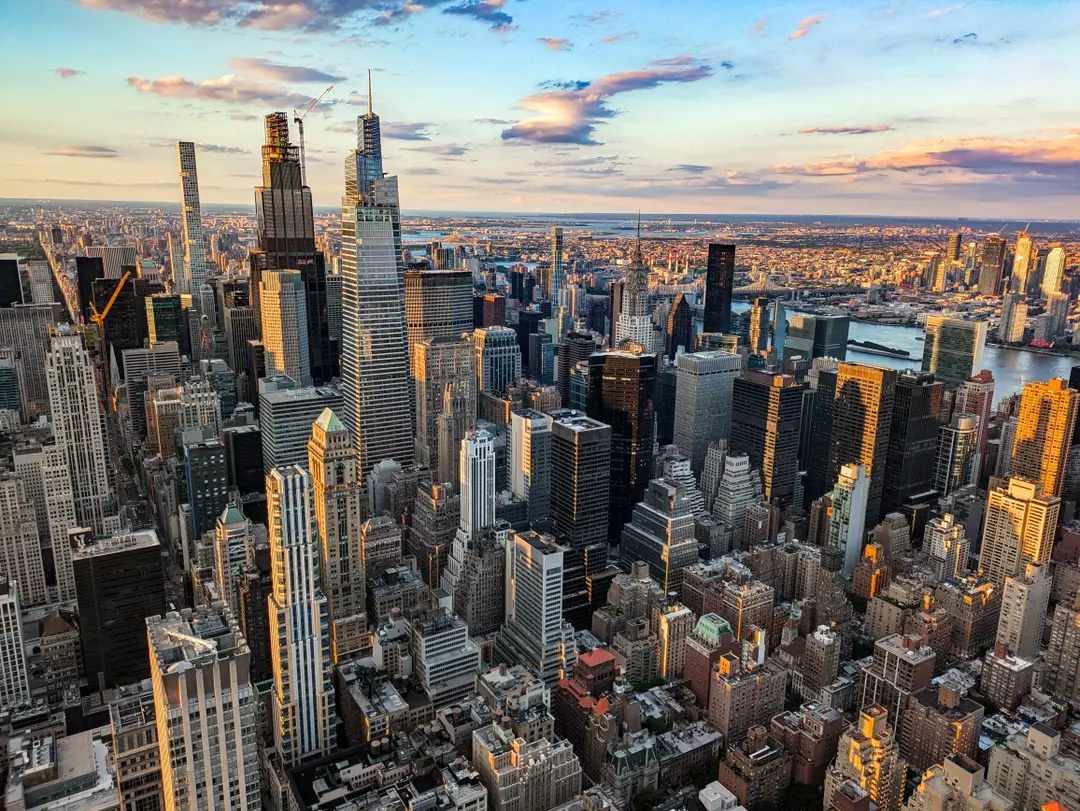
Other notable buildings, including One Liberty Plaza and Trump Tower, are shown getting overwhelmed as the water spreads across lower-lying parts of Manhattan.
And the threat wouldn’t be limited to New York. The USGS notes that a dramatic rise in sea levels would affect coastal settlements across the globe.
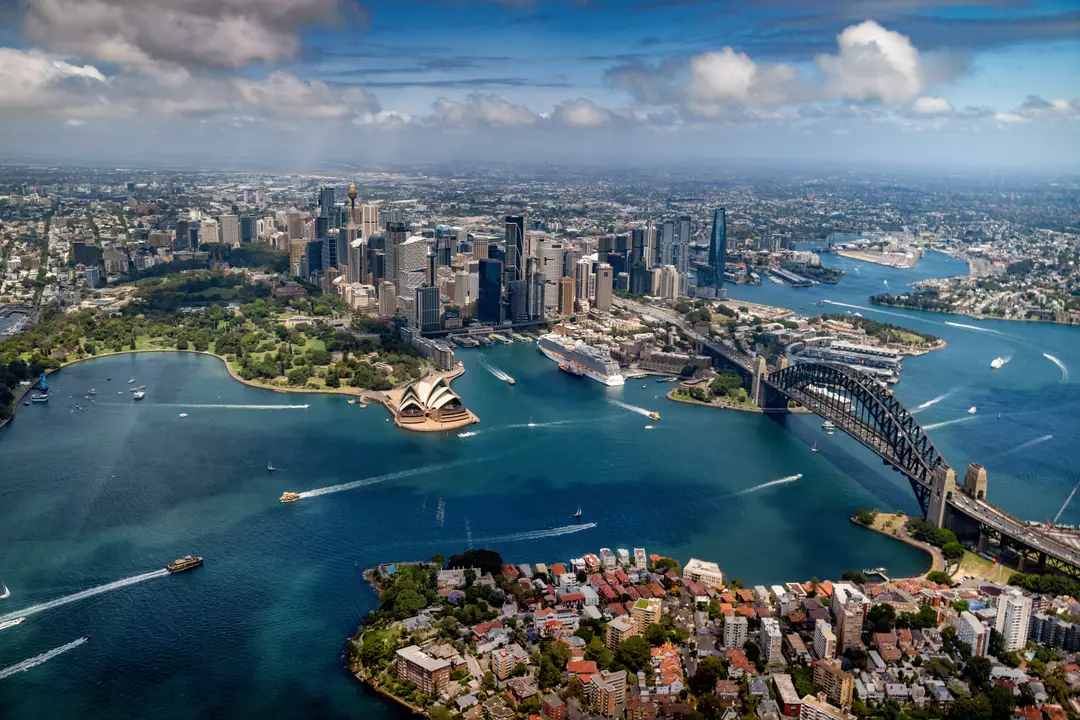
Cities and regions such as Sydney in Australia, Barcelona in Spain, Hong Kong in China and Malibu in California would all be among the areas facing major inundation.
Although the MetaBall Studios Lite footage is a model rather than a forecast, long-term sea level rise remains a real concern. Nasa has reported that Greenland and Arctic ice sheets and glaciers are shrinking.
The agency says it tracks changes by monitoring the mass of glaciers and ice sheets using GRACE Follow-On satellites, which have been operating since 2018.
Online, viewers have continued debating the idea of New York becoming a submerged, Atlantis-like city.
“If they melt quickly we’re screwed,” one viewer lamented.
Another commented: “No end’s world movie’s needed, just watch around us every years make us closer than the end.”
“It’s sad to see that happen in a couple of decades if humans don’t stop climate change,” replied a third.
Someone else joked: “It seems like Spider-Man can’t save this day.”
More recently, Matt Palmer — a sea level rise specialist at the UL Met Office’s Hadley Centre for Climate Science — argued that researchers have been ‘systematically underestimating’ the effects sea level rise could bring under climate change.
In comments to Yale Environment 360, he added: “We could see devastating impacts much earlier than predicted — particularly in the Global South.”
Fresh research has also supported concerns about underestimation. Katharina Seeger and Philip Minderhoud, geographers at Wageningen University and Research in the Netherlands, found that sea levels are on average nearly a foot (0.3 metres) higher than common estimates suggest.
The report noted that the pace of rise may not be accelerating beyond expectations, but the starting point used for many future projections is higher in numerous locations — making the outlook more severe.
Each year on April 22, Earth Day is marked worldwide.
The annual event is designed to show support for environmental protection and to draw attention to global warming.
National Geographic says that more than a billion people take part globally, giving time and resources to help protect the planet from threats such as pollution and deforestation.
For those concerned about sea level rise and looking for ways to participate in Earth Day efforts, suggestions include joining local cleanups, signing petitions, and spending time in nature — including planting something — as recommended by Calm.
Other steps to cut your carbon footprint include walking to work rather than taking the subway, choosing more plant-based foods, and reducing unnecessary water use while brushing your teeth or washing dishes.