

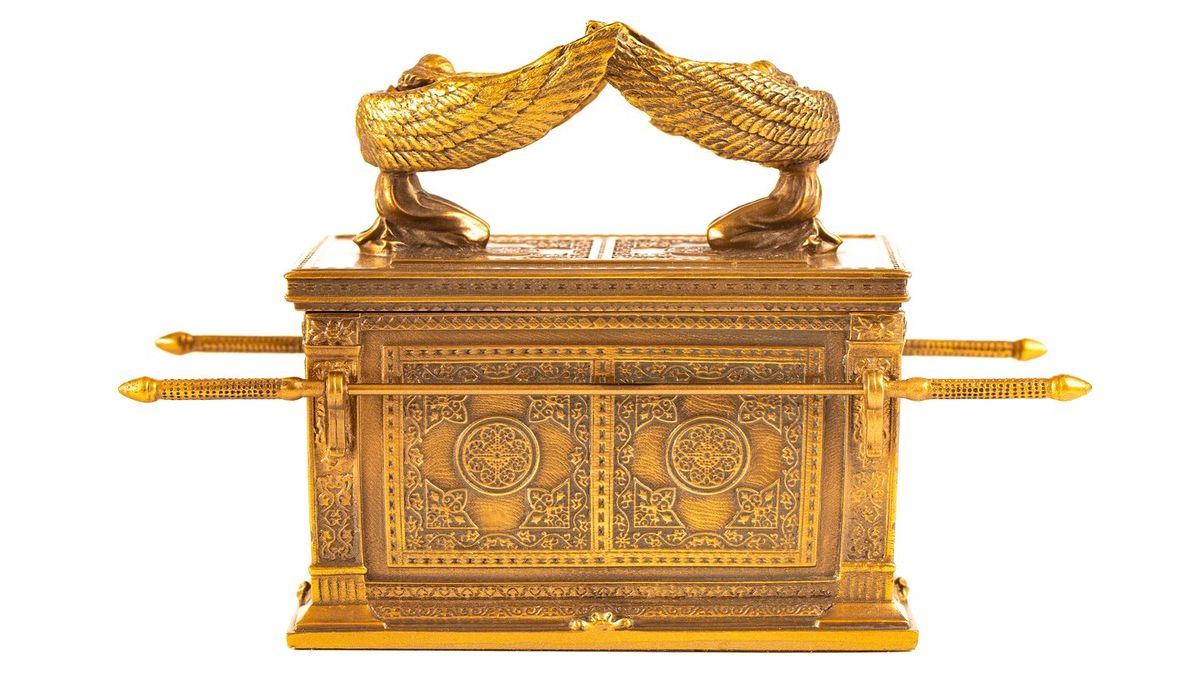
An archeologist claims to have guess the location of a ‘lost ark’.
For generations, few religious artefacts have intrigued people as much as the Ark of the Covenant—fuel for countless novels, documentaries and big-screen adventures, including the Indiana Jones films starring Harrison Ford.
Archaeologist Dr Chris McKinny has recently outlined a theory about where the Ark might be, saying he is “excited and hopeful for what will come”, reports said.
The Ark of the Covenant is traditionally described as a sacred chest believed to hold the stone tablets of the Ten Commandments, which Moses is said to have received from God after the Israelites escaped Egypt.
Biblical accounts suggest the Ark was constructed after the Exodus—often dated to around the 13th century BC—and was later housed in the Holy of Holies, the innermost and most sacred part of the temple in Jerusalem.
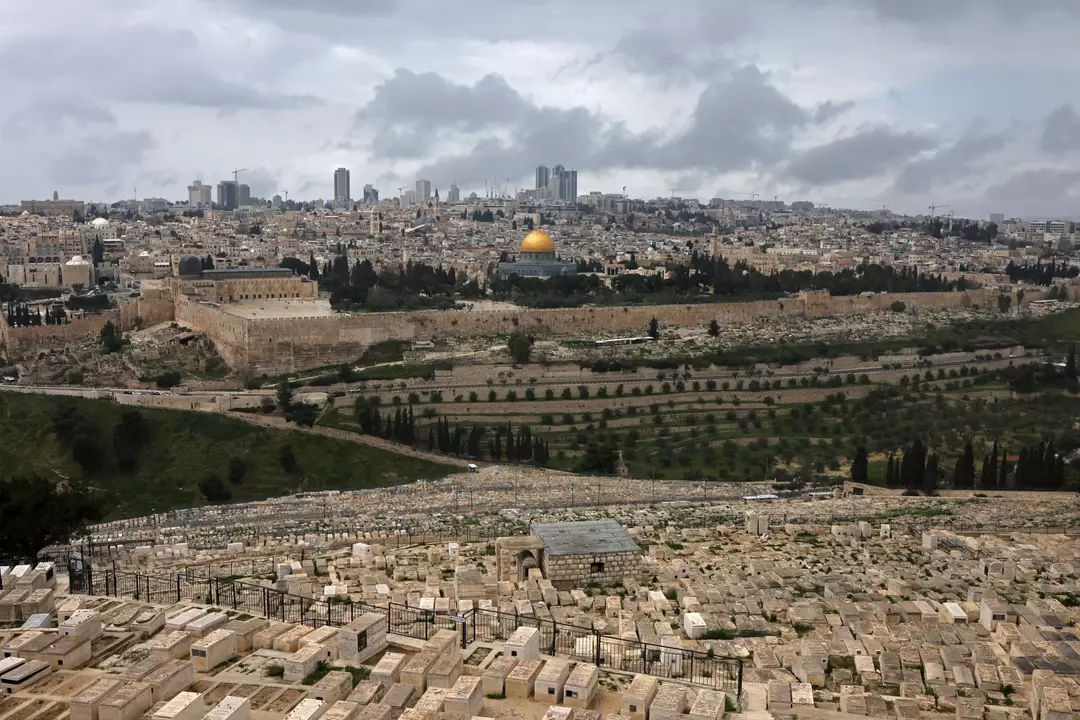
After that, the historical trail becomes far less clear. The Ark is widely believed to have disappeared around 586BC, following the Babylonian siege and destruction of Jerusalem.
Dr McKinny has suggested it could have been placed in a hidden underground chamber in the City of David—potentially concealed there in an attempt to protect it from the advancing Babylonians.
The City of David lies just south of the Temple Mount in Jerusalem, an area that includes the Al-Aqsa mosque and the Dome of the Rock. The wider zone is also thought to contain multiple subterranean cavities and tunnel-like spaces.
To explore the possibility without digging, researchers are looking at using technology capable of identifying voids underground as well as detecting metals.
Dr McKinny’s view is that if the Ark still exists, remains buried in that area, and matches descriptions of being overlaid with gold, it might register in those scans.
The approach relies on muon detectors.

Muons are tiny particles created when cosmic rays interact with Earth’s atmosphere. Because they can pass through rock and soil, measuring how muons travel through a site can help map what lies beneath the surface—often without excavation.
That matters because excavation is costly, slow and can sometimes damage fragile structures or objects during the process of uncovering them.
There are also ethical and religious sensitivities, especially when work could disturb human remains or ground considered sacred, including areas close to the Temple Mount.
For those reasons, non-invasive surveying methods—either before digging begins or as an alternative to digging—can be crucial. Dr McKinny believes techniques like muon scanning may offer a way to learn more about areas where physical excavation is restricted.
It’s important to note that Dr McKinny is not claiming the Ark has been found. He is only proposing that, if it still exists, this could be one plausible location—while acknowledging that major religious, political and practical hurdles would need to be resolved before any investigation could move forward.