

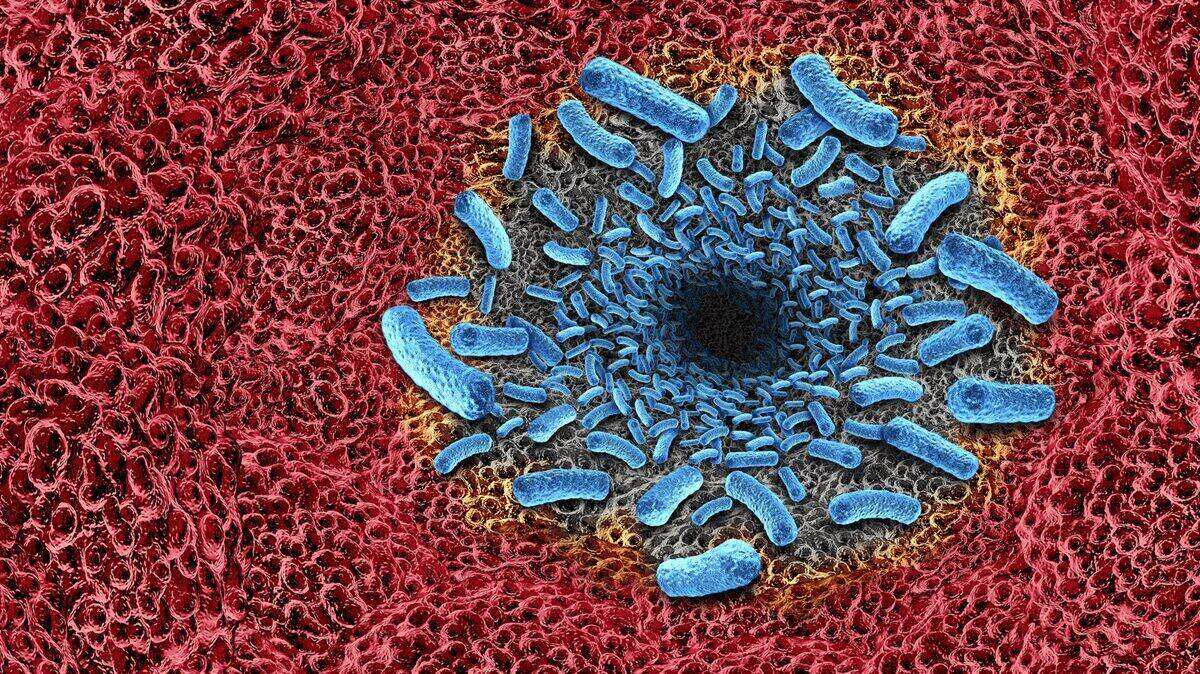
In a discovery that feels more like science fiction than real life, scientists say a dangerous flesh-eating bacteria has been found in waterways around Long Island.
Researchers at Stony Brook University have detected Vibrio vulnificus in several spots across the popular coastal region. The bacterium can cause severe illness, and in some cases infections can become fatal within 48 hours.
In comments to CBS New York, marine and atmospheric ecologist Professor Dr Christopher Gobler said his team has identified signs of the pathogen at multiple locations.
He explained: “Bacteria known as Vibrio vulnificus, also known by the Centers for Disease Control and Prevention as a flesh-eating bacteria, is present and a risk in our waters.”
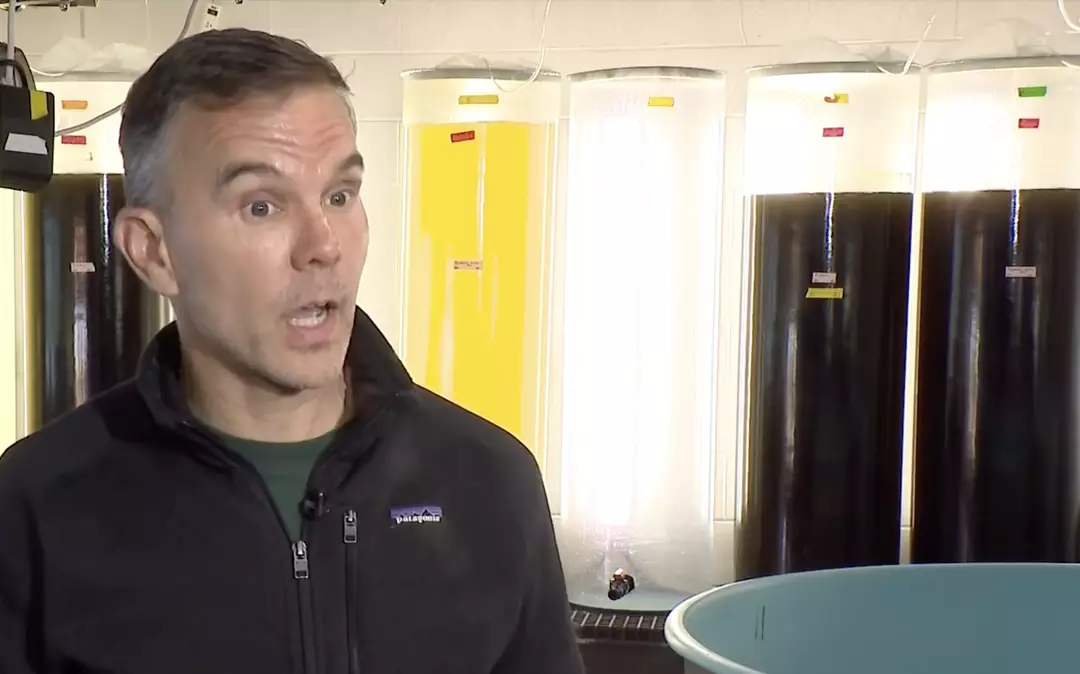
The professor warned that the infection can be especially dangerous when it enters the body through cuts or other exposed skin.
The professor said: “It’s a very, very serious infection; it gets into open wounds – people who are infected with this bacteria have a 20 percent chance of dying within just 48 hours.”
Humans aren’t the only ones affected. Dogs that drink from contaminated water sources have reportedly fallen ill, and some have died in past years.
Long Island has encountered this threat before. In 2023, three people died after contracting the bacteria when it was initially identified in Long Island Sound.
The bacterium is thought to have originated in Trump’s ‘so-called Gulf of America’.
According to Dr Gobler, the organism appears to be expanding into additional waterways. His team has flagged newer detections in places such as Sagaponack Pond, Mecox Bay, and Georgica Pond on the South Fork.
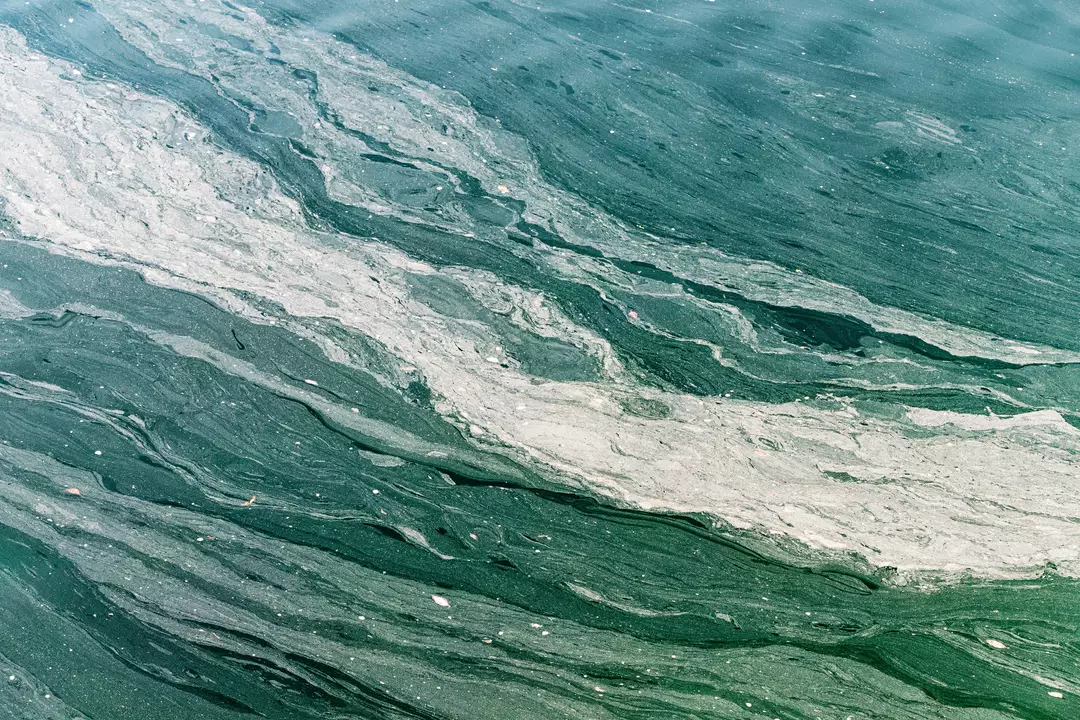
Dr Gobler said the spread reflects a “perfect storm” of environmental conditions, pointing to nitrogen runoff, algae blooms, and climate change as key drivers.
Nitrogen pollution is a long-running issue in the area. Suffolk County has around 360,000 older cesspools and septic systems, which can leak into nearby waterways and fuel harmful algae growth.
As these blooms expand, they can raise water temperatures and reduce oxygen levels—conditions that can worsen overall water quality and help dangerous bacteria thrive.
Dr Gobler added: “If someone’s immunocompromised, or elderly, and they have open wounds in summer, you may want to stay out of the water.”
Additional locations that may be at risk include East Quogue, Southold, and Shinnecock Bay. These areas have also been dealing with algae linked to shellfish contamination, with reports of a neurotoxin described as being 1,000 times more poisonous than cyanide.
The issue is also believed to be contributing to serious losses for the oyster industry.
While there have been no reported Long Island deaths since the three fatalities in 2023, researchers caution that the risk could rise as the bacterium is detected in a growing number of sites.