

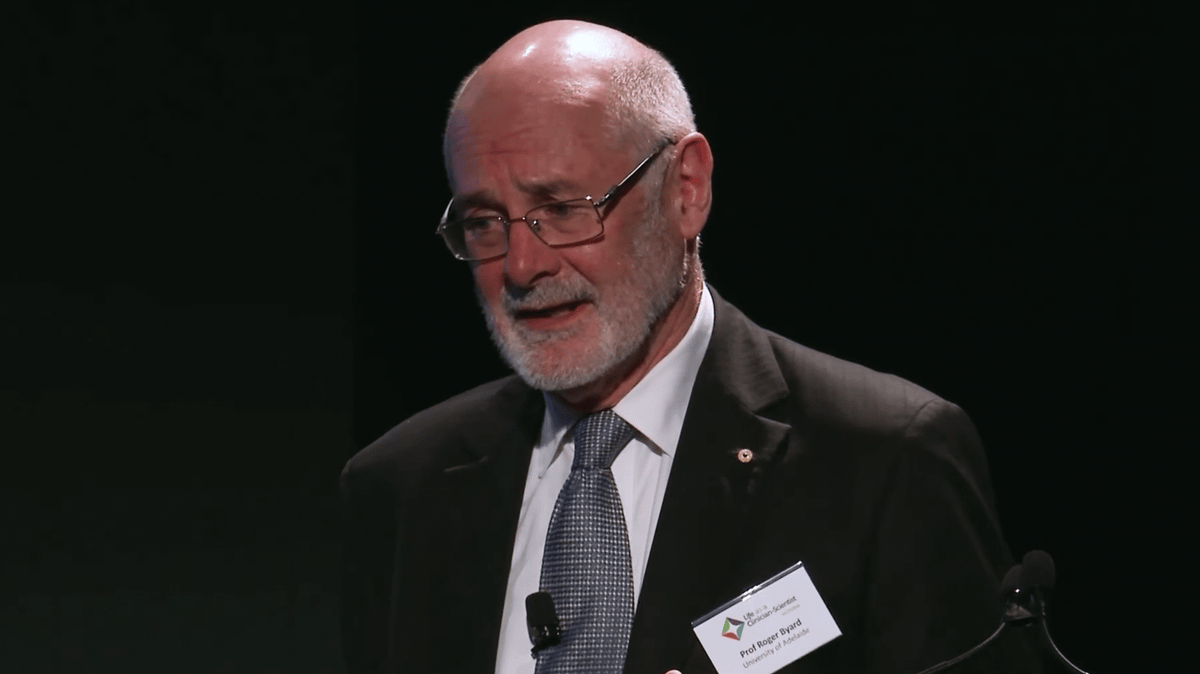
An Australian forensic pathologist known as ‘Doctor Death’ has opened up about some of the most awful ways to die, after years spent examining the darkest ends people meet.
Given that nickname, he’s in a pretty unique position to weigh in.
Roger Byard has handled hundreds of cases, ranging from brutal serial-killer murders to an unusual death involving an elderly woman and a cockerel.
Appearing on an episode of the I Catch Killers Podcast, Roger said: “I’ve been collecting animal deaths.
“Dogs, snakes, sharks, roosters, mackerel.”
Dogs and sharks might not surprise many people, but roosters and mackerel are a different story.
Byard explained that in Australia’s remote Northern Territory, one angler was simply in the wrong spot at the wrong time when a roughly 25kg mackerel launched out of the water and hit him in the face, killing him instantly.
Dr Death is based at the University of Adelaide, where he holds the George Richard Marks Chair of Pathology.
He also revisited one of the first major cases he worked on: the notorious Snowtown murders.
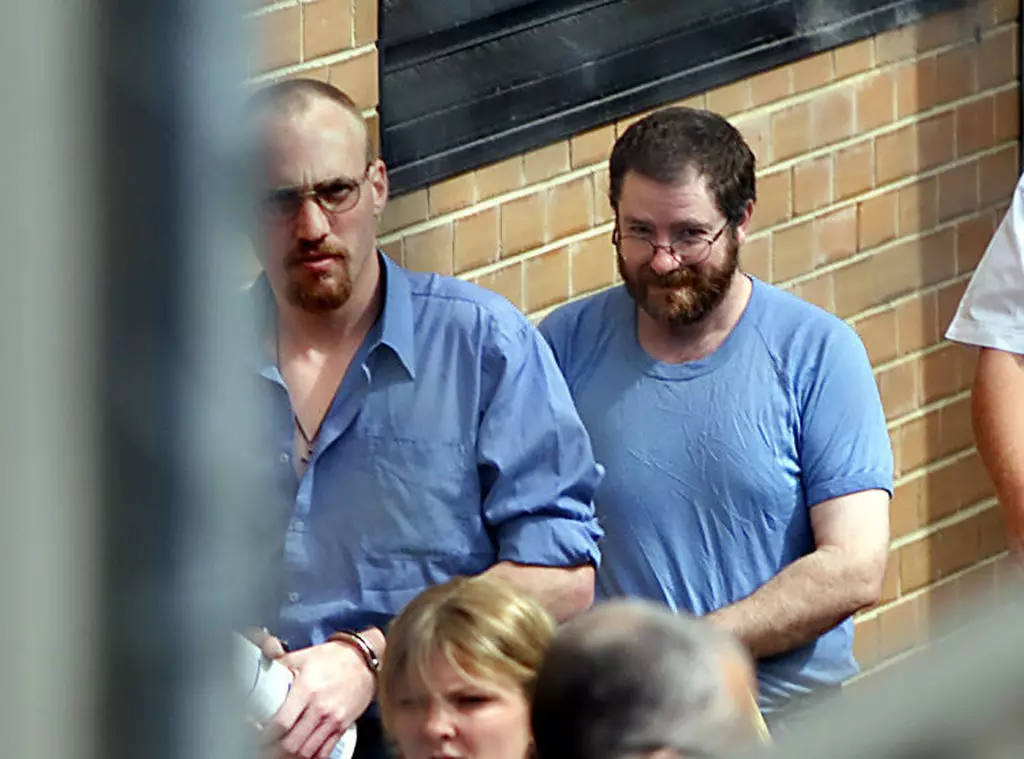
The killings shocked the country during the 1990s. The crimes occurred in Snowtown, South Australia, and were led by John Justin Bunting, Robert lee Wagner and James Spyridon Vlassakis.
Roger said: “I didn’t realize that when the head of Major Crime calls you, it’s pretty serious.
“That was my first week on call, actually.
“There were eight bodies partially dismembered in the barrels.”
Byard and his colleagues were tasked with examining the remains.
The Snowtown murderers framed themselves as vigilantes, torturing and killing people they claimed were pedophiles despite lacking real proof. They also targeted LGBTQ+ people, and in some cases chose victims based purely on body weight. In total, eleven people were killed.
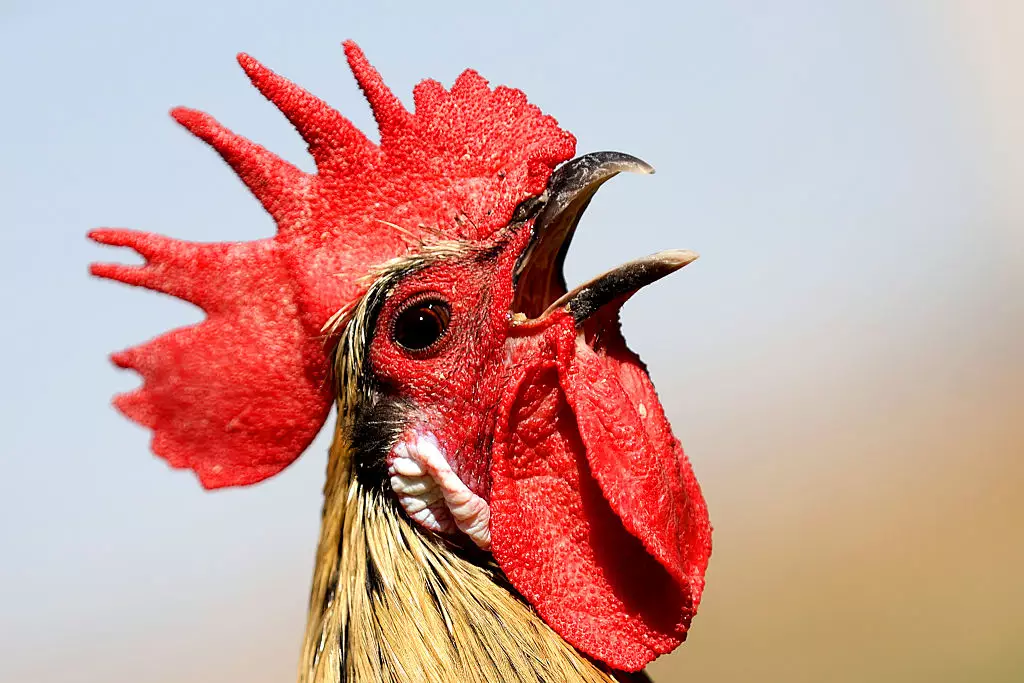
And he wasn’t finished with strange fatal incidents. Byard described a case in which an older woman died after being attacked by one of her own birds, calling roosters “nasty creatures”.
He explained how it happened: “A little old lady out the back collecting eggs. The Rooster went for her and she had varicose veins, and it pecked her leg (causing her to die).”
He noted that varicose veins — swollen, twisted veins — can bleed heavily if damaged, and that this can be fatal if the bleeding isn’t stopped quickly.
Roger added: “I’ve had a number of deaths of people with varicose veins who have just had minor trauma. There was also a cat scratch (that killed the victim).
He also offered practical advice aimed at preventing similar deaths, including what to do if a rooster attack causes a small puncture wound.
“This is the reason I publish this stuff, it’s not because it’s bizarre and weird. It’s to let people know that if you’ve got varicose veins and you get a small hole, lie down and put your finger over it and elevate it… You’ll survive. But you never trust a rooster.”
While the stories can sound surreal, Byard emphasised that the work itself can be deeply draining.
Despite some lighter moments in the conversation, Dr Death underlined the emotional toll that comes with being a forensic pathologist.
He said: “Nobody talks about PTSD with forensic pathologists.
“We see incinerated bodies, dismembered bodies, children starved to death.
“Then we have to describe it all in detail in court-sometimes while getting our credibility torn apart.”
He added that, over the course of his career, he’s had to accept that answers aren’t always possible — and that one of the hardest responsibilities is telling grieving families he can’t explain exactly what happened.
He concluded: “All I can say to them is ‘It was nothing that you did’. And also, a lot of the time they just want to meet the person that looked after their baby between the time when they saw the baby last, and when they saw their baby at the funeral home.”