

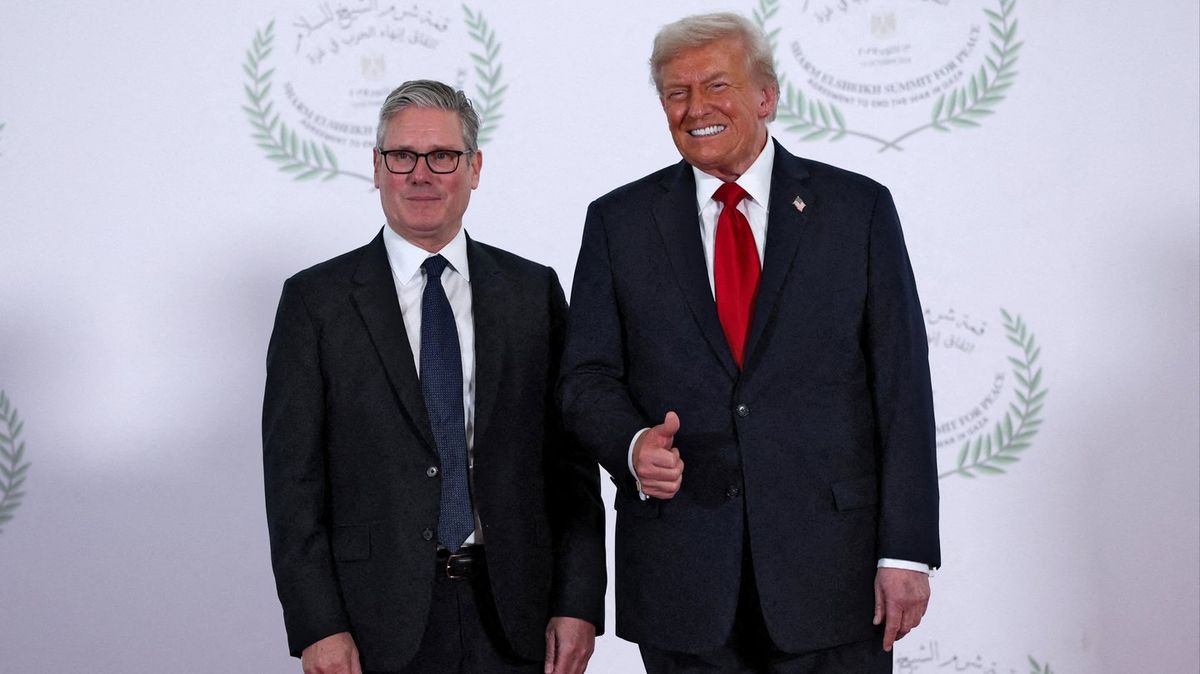
Donald Trump has renewed pressure on the UK, warning he could impose steep tariffs on British products unless Prime Minister Keir Starmer removes a levy aimed at large American tech firms.
From the Oval Office on Thursday, the former president signalled that he’s prepared to escalate the dispute.
The issue centres on the UK’s 2 percent Digital Services Tax (DST), introduced in 2020 — but what does it actually do?
The DST applies a two percent charge to the UK-generated revenues of major digital businesses, calculated based on income linked to UK users.
To fall within scope, a company must generate roughly $673 million in global revenue, with at least £25 million of that coming from Great Britain.
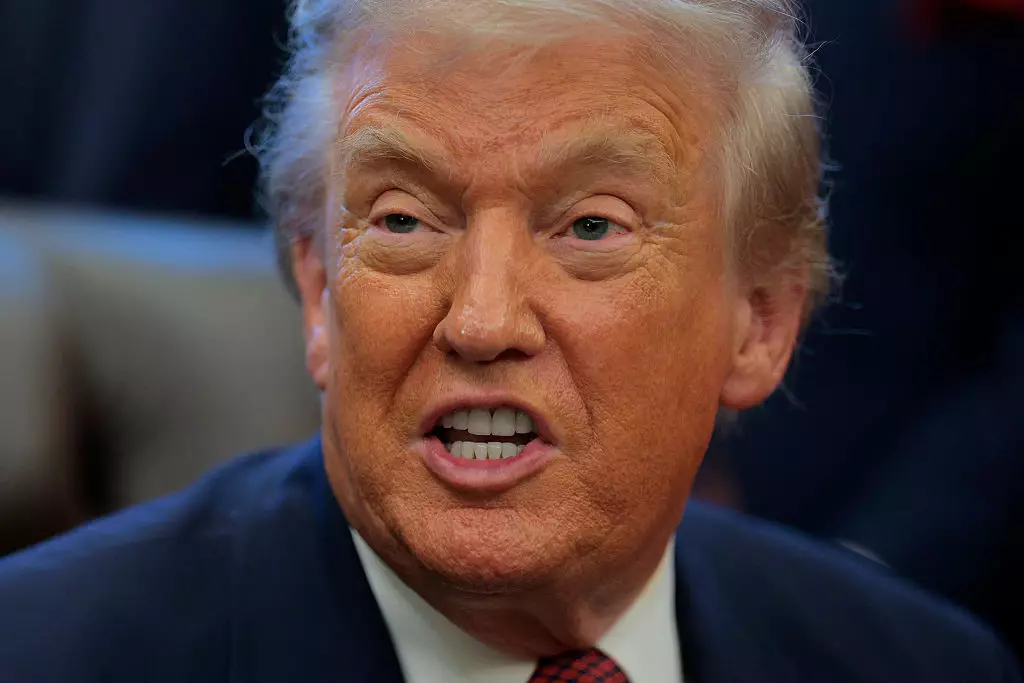
In practice, the tax is aimed at the biggest US tech names — including firms such as Nvidia, Apple, Microsoft, Alphabet (Google) and Amazon.
Speaking to reporters from the Oval Office on Thursday, Trump said: “We’ve been looking at it and we can meet that very easily by just putting a big tariff on the UK, so they better be careful.
“If they don’t drop the tax, we’ll probably put a big tariff on the UK.”
It’s not the first time Trump has argued that European countries are unfairly targeting American tech companies.
In August 2025, he wrote on Truth Social that he would ‘stand up to countries that attack our incredible tech companies,’ describing digital taxes and regulations as being ‘designed to harm, or discriminate against, American technology.’
He has also floated ‘substantial additional tariffs’ against countries that refuse to change course — and the UK now appears to be a key focus.
Other countries including France, Italy and Spain have introduced similar digital taxes, so Britain isn’t alone in facing this kind of criticism.
Still, given the long-running “special relationship” between the US and the UK, the warning carries added significance.
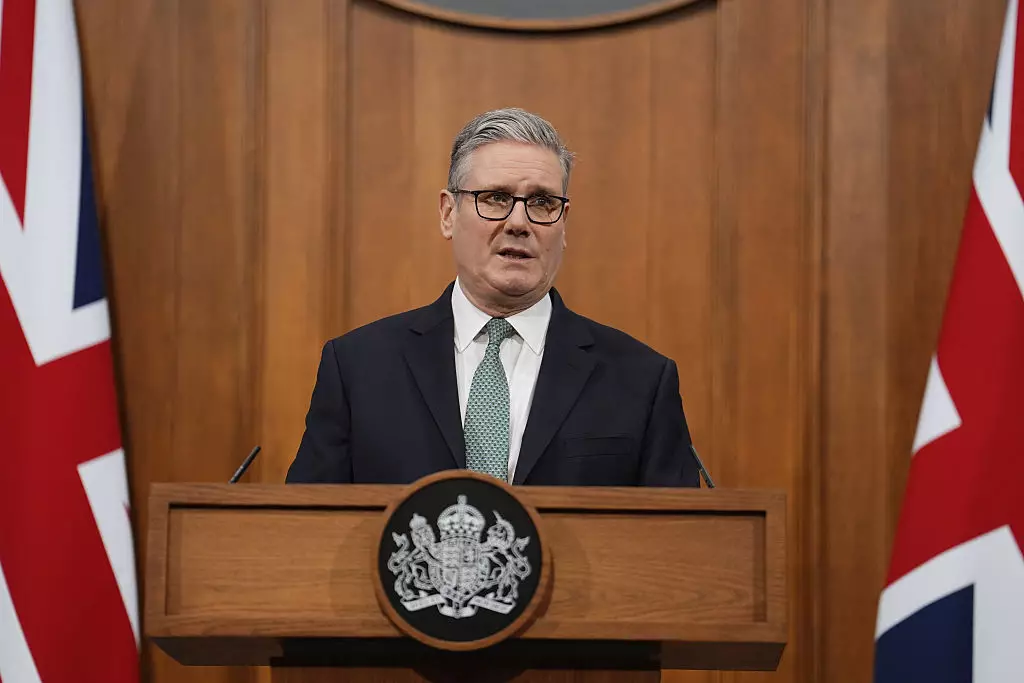
When the US-UK trade deal was announced in May 2025, the DST was notably left unchanged, despite being a recurring point of contention during negotiations.
Now, Trump appears to be indicating that those terms aren’t fixed — something he hinted at in comments to Sky News in an interview earlier this month.
That leaves what was framed as a major diplomatic breakthrough looking increasingly uncertain.
Downing Street has yet to issue a response, but a decision may soon be required. The UK could choose to soften its stance and remove the tax, or hold the line and risk a tariff battle that could squeeze British exporters.
With the agreement already looking unstable and Trump adopting a more confrontational tone, the path forward is far from straightforward.
Watch this space.