

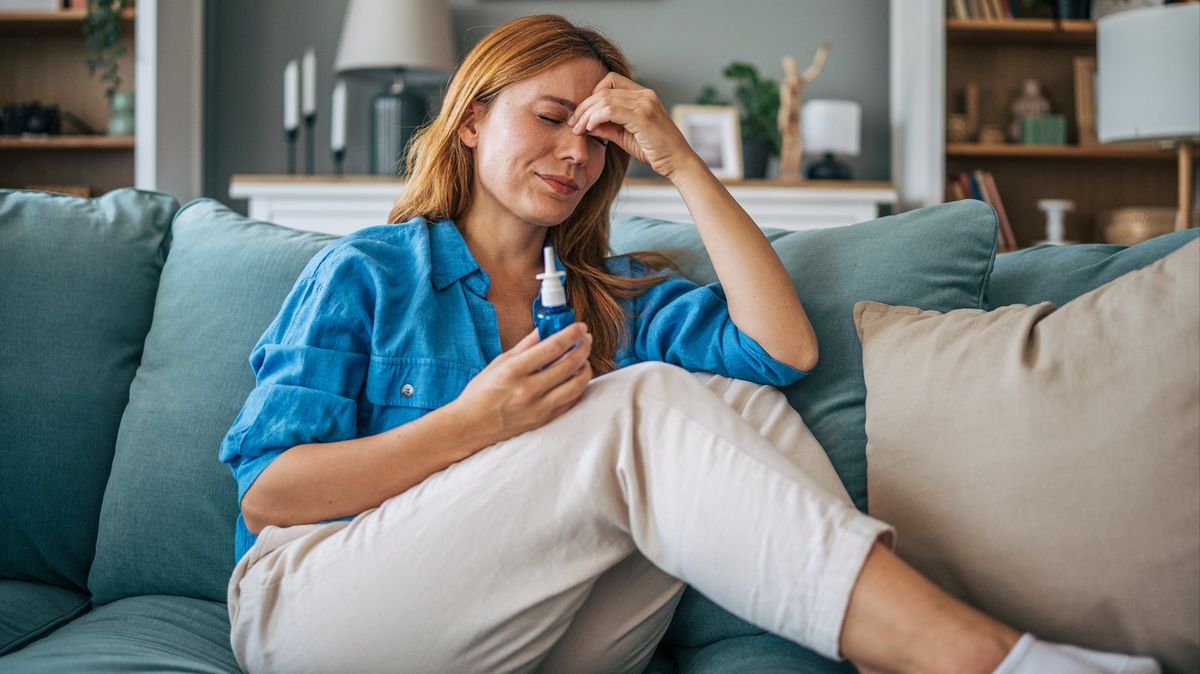
For many, spring is the highlight of the calendar: flowers return, brighter days arrive, and the idea of spending long afternoons outside suddenly feels possible again.
However, for anyone battling severe hay fever, the season often means reaching for strong antihistamines, nasal sprays, and eye drops just to get through the day.
Hay fever happens when the immune system reacts too strongly to allergens in the environment, most often pollen from plants.
That can make spring especially challenging for allergy sufferers — and in the US, allergies affect an estimated 25 million adults and 5 million children.
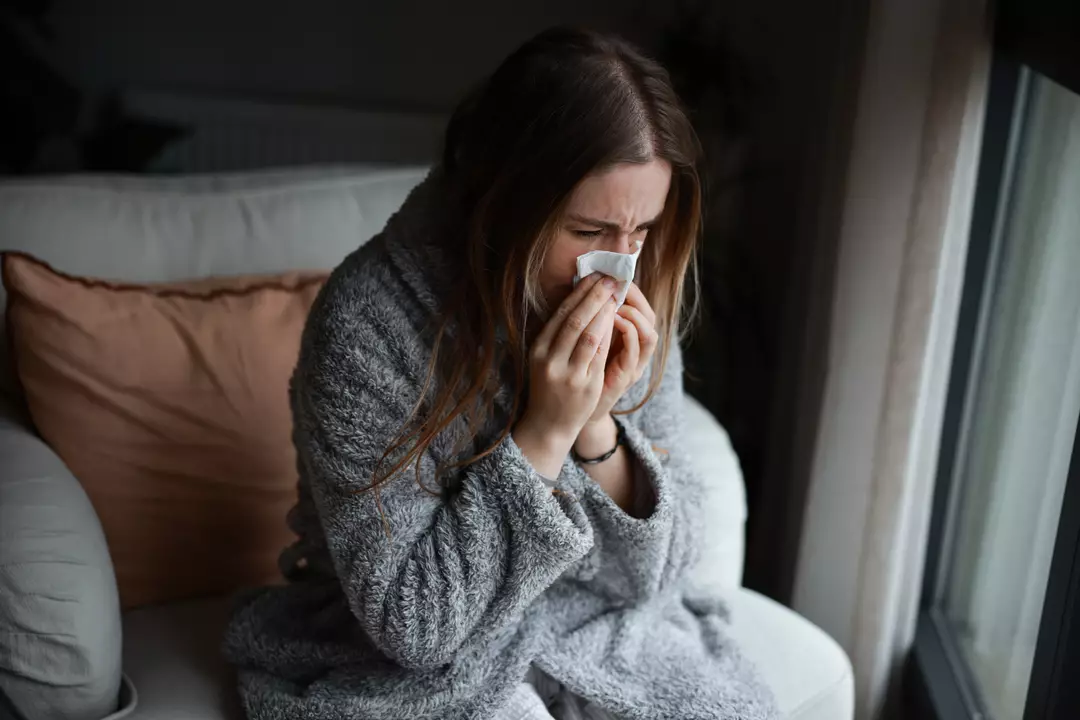
Typical symptoms include sneezing, coughing, and itchy eyes, and many people find things worsen between March and September, particularly when conditions are warm, humid, and windy.
Now, a GP has warned that a common household habit could be intensifying symptoms for lots of people without them realising.
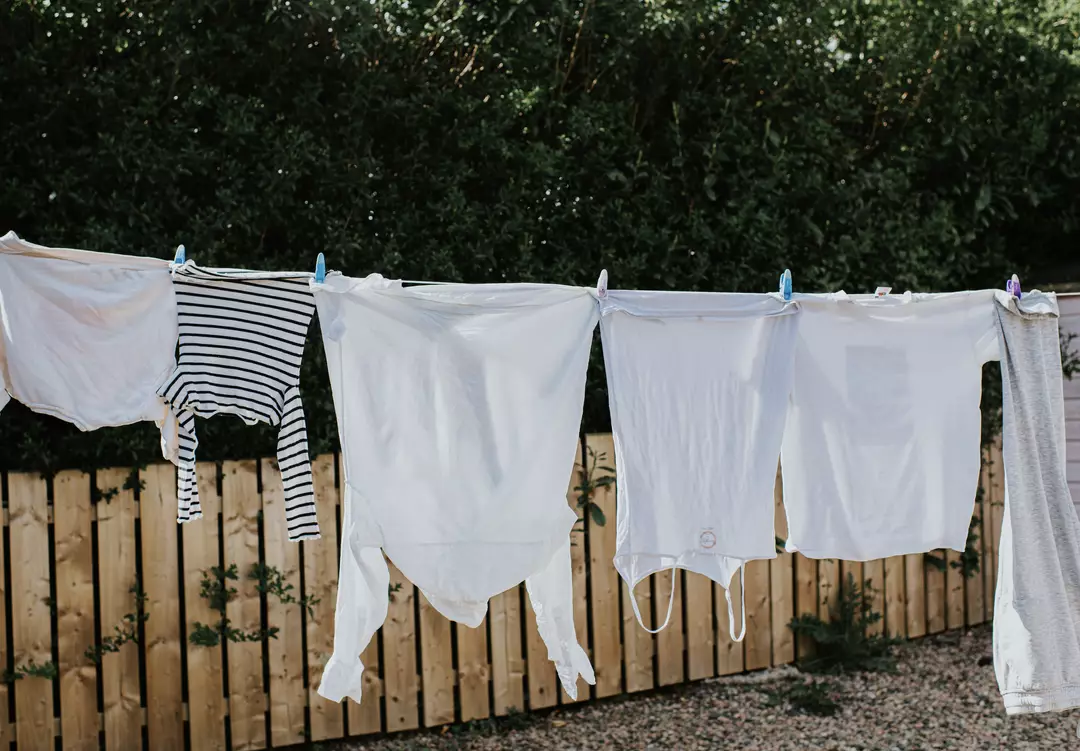
Dr Lucy Hooper, a GP and co-founder of Coyne Medical, says drying clothes outdoors during pollen season may be making hay fever worse.
Per Wales Online, she said: “There is significantly more pollen outdoors than inside your home. When laundry is dried outside, it can collect pollen from the air, which is then brought back indoors on the fabric.
“This increases your overall exposure to pollen.”
To cut that exposure, she suggested that hay fever sufferers may find it helpful to use a tumble dryer rather than hanging washing outside.
She also recommended limiting how much pollen enters your home by keeping windows and doors shut when counts are high.
“Keep windows and doors closed during high pollen periods, especially from late morning to late afternoon,” she added.
“Some people may benefit from using air conditioning to cool and ventilate rooms, as filters can help reduce pollen levels. HEPA air filters are a more cost-effective option and can remove over 99% of airborne pollen particles.”
HEPA is short for High Efficiency Particulate Air, a type of filtration designed to trap extremely small particles — including the pollen that can trigger hay fever symptoms.
Dr Hooper also advised washing off and changing clothes after spending time outdoors to avoid bringing pollen through the house.
“Even washing your face and hands when you get home can help reduce exposure,” she added.
The CDC have put together a handy guide of things you can do to help your allergies during the summer: