

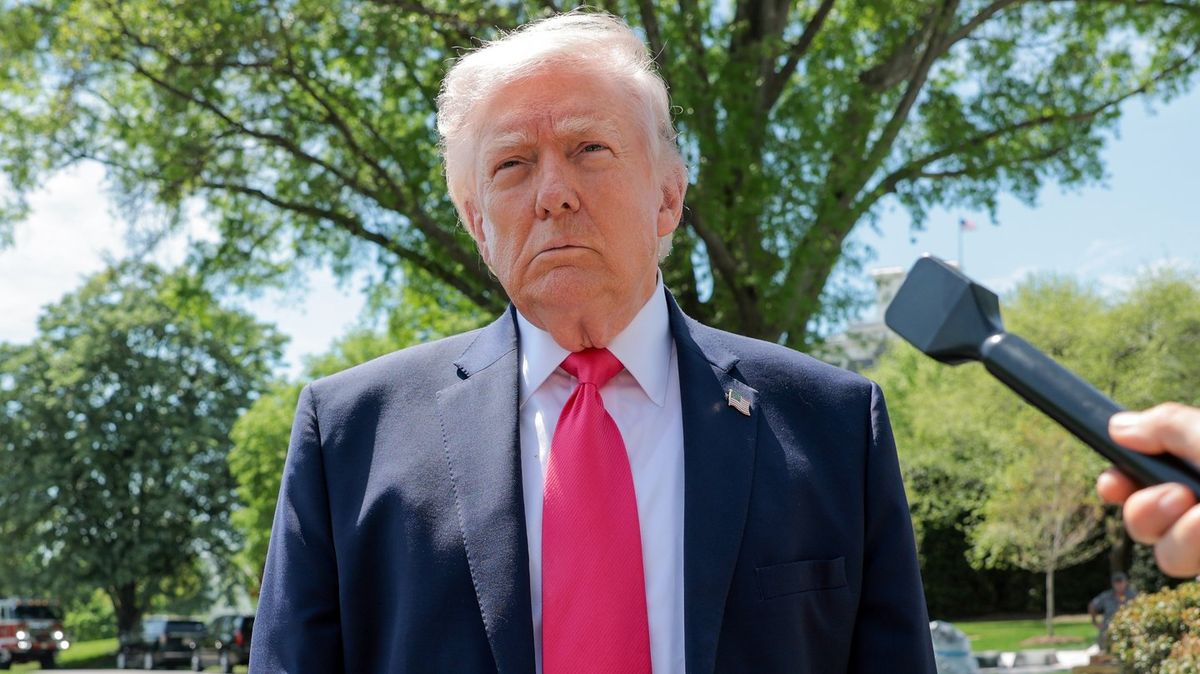
The Department of Justice is moving to strip citizenship from nearly 400 naturalized Americans, following a troubling warning President Trump issued to US citizens late last year.
Trump’s second stint in the White House has been marked by repeated controversy, especially around the administration’s intensified immigration enforcement. Critics point to ICE brutality and incidents earlier this year that reportedly resulted in the deaths of two US citizens, Renee Good and Alex Pretti.
Across the country, immigration raids have surged, with reports alleging that ICE agents have detained people without regard to their actual immigration status.
While Trump has argued that the DOJ’s actions are intended to protect national security and keep Americans safe, opponents say the effort reflects a sweeping misuse of government power.
In a new statement, the administration said it intends to pursue denaturalization against 384 citizens — a step that historically has been reserved for rare and exceptional cases.

Speaking to the outlet, agency spokesman Matthew Tragesser said: “The DOJ are pursuing the highest volume of denaturalization referrals in history, and are laser focused on rooting out criminal aliens defrauding the naturalization process.”
Under US immigration law, naturalization is the legal process that allows a non-citizen to become a US citizen after meeting requirements set by US Citizenship and Immigration Services.
Denaturalization, by contrast, is when the government later cancels that citizenship.
Authorities can seek denaturalization if they conclude citizenship was obtained through fraud, misrepresentation, or serious legal wrongdoing.
In the US, denaturalization applies only to people who gained citizenship through naturalization — not to people who are citizens by birthright.
Even so, reports suggest the Trump administration is actively hunting for cases, and has allegedly pressed the Department of Homeland Security to identify 100 to 200 potential denaturalization referrals each month for the DOJ.
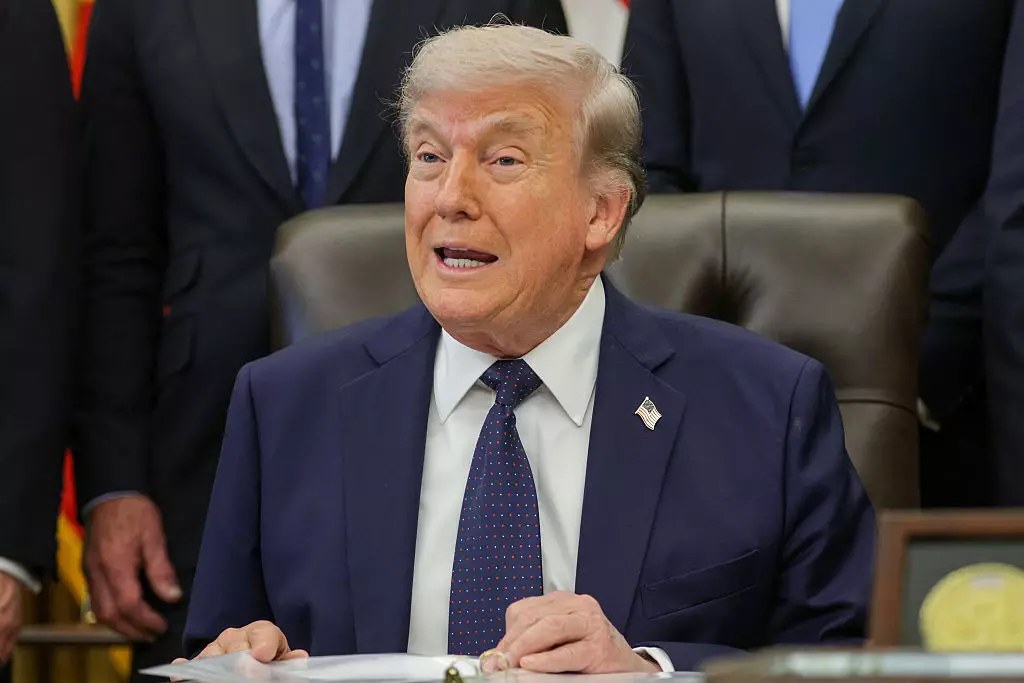
And the push is not limited to his current term.
During Trump’s first term and in the period that followed, the federal government pursued substantially more denaturalization cases than in prior decades — reportedly exceeding the total from 1990 to 2017 within only a few years.
The development follows remarks Trump made late last year that many observers described as alarming.
“We have criminals that came into our country, and they were naturalized maybe through Biden or somebody that didn’t know what they were doing,” he said in early December.
“If I have the power to do it – I’m not sure that I do, but if I do – I would denaturalize, absolutely.”