

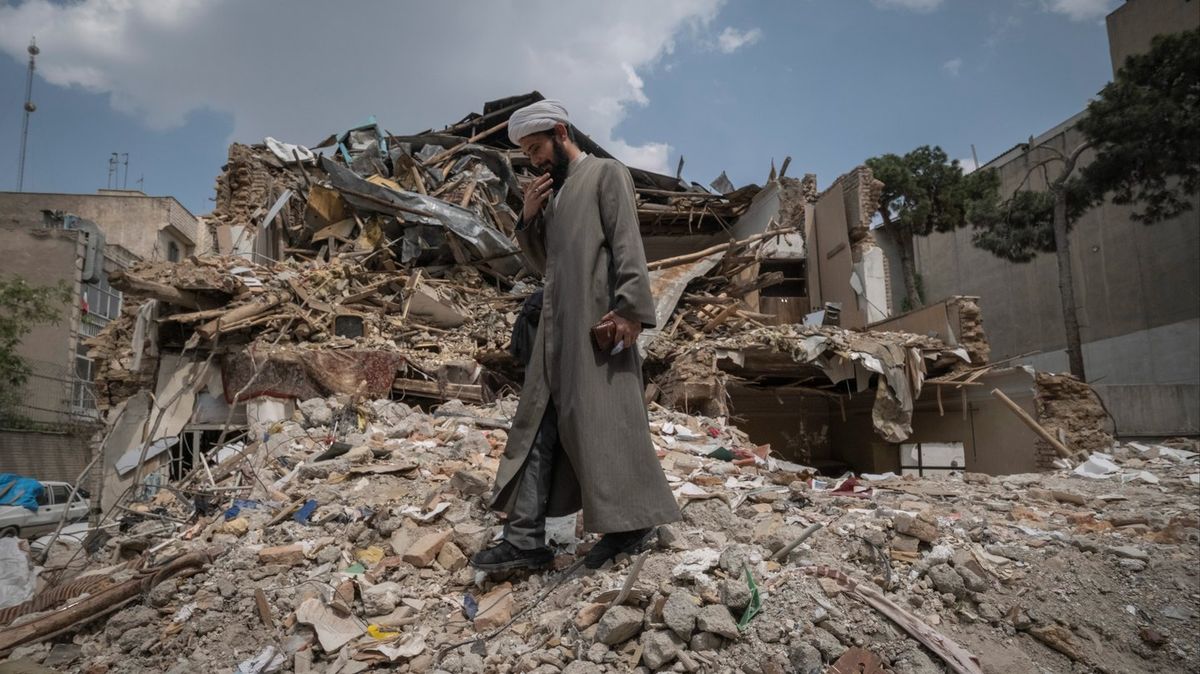
Although a ceasefire followed a joint US-Israel strike on Iran earlier this year, the fallout from the conflict is still rippling far beyond the region.
Even if the US is no longer firing missiles in the Middle East, that doesn’t mean global supply chains have returned to normal.
One major flashpoint remains the Strait of Hormuz, which is still not operating, contributing to higher fuel costs and energy shortages around the world.
The knock-on effects are being felt in multiple sectors. Travel has taken a particularly heavy hit in parts of Europe, but the pressure is also showing up in the prices of everyday goods tied to energy, transport and petrochemicals.
Earlier this week, McDonald’s warned it may raise the cost of some menu items as a result of disruption linked to the war in Iran.
Lauren Shultz, who heads up the UK branch of the fast food chain, told BBC Radio 4’s Today programme: “We have long standing, strong relationships with our suppliers, who have given us a lot of cost certainty.
“We will likely to see some prices go up but in a small disciplined way. It is where customers are willing to pay a little bit more.”

Surprisingly, even teddy bears are being affected. Many plush toys rely heavily on polyester and acrylic, materials that are closely tied to oil-based production.
Ricardo Venegas, CEO of Aleni Brands, said their Chinese manufacturer flagged a 10–15 percent increase in costs for those inputs just three weeks after the war began.
“I think this situation demonstrates how much oil permeates throughout our system, and we can’t get away from it,” Brands said.
“Who would have thought that the price of a toy would have a direct relationship with oil?”
Other manufacturers have also reported significant increases. Producers worldwide have raised prices by as much as 30 percent, while Karex Bhd — a supplier to brands including Durex and Trojan — said the cost of ingredients has jumped sharply.
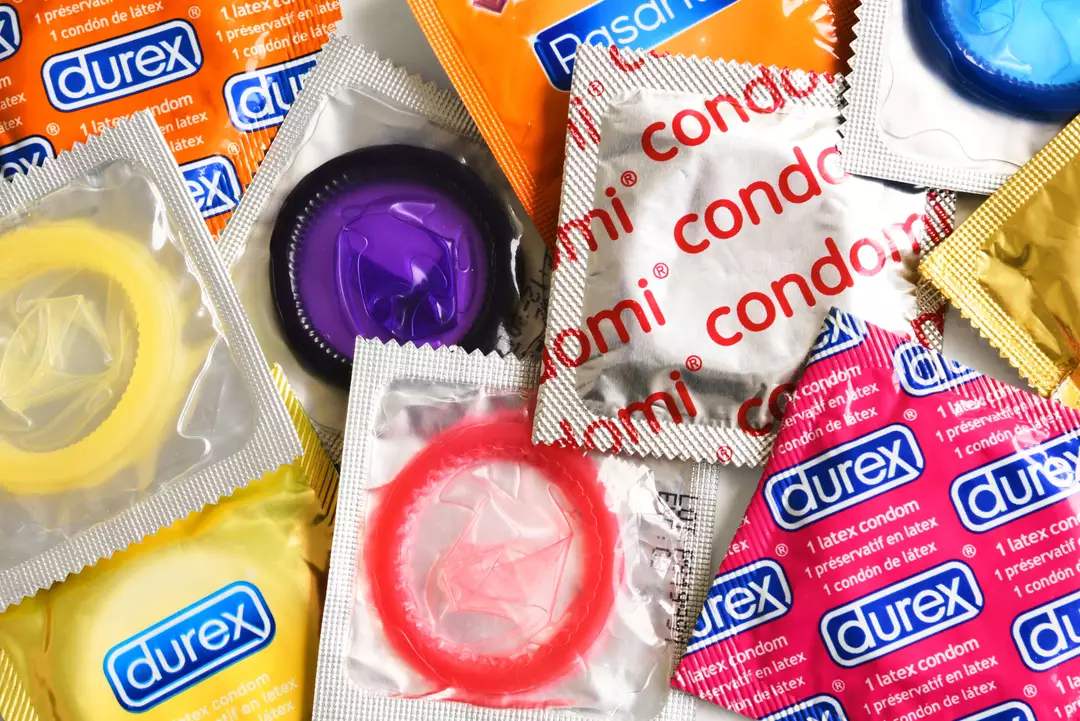
Materials such as synthetic rubber and nitrile — commonly used in condom manufacturing — have become more expensive, while packaging and lubricants have also climbed in price.
Goh Miah Kiat, the CEO of Karen Bhd, said: “The situation is definitely very fragile, prices are high… We have no choice but to transfer the costs right now to the customers.”
And the impact doesn’t stop there. A wide range of familiar products are being caught up in the same cost pressures, including computer keyboards, lipstick, tennis rackets, pyjamas, soft contact lenses, detergent, shaving cream and pillows.