


As hay fever season begins this week and pollen levels rise across many states, people are trying a wide range of remedies alongside medication to keep symptoms under control.
An estimated 67 million Americans deal with seasonal allergies, and many rely on antihistamines, nasal sprays, and decongestants in search of relief.
But one doctor is urging sufferers to be mindful of a lesser-known effect linked to antihistamines in particular.
These medications work by reducing the impact of histamine in the body. Histamine is a chemical released when the immune system thinks it has detected something harmful.
The NHS explains: “It causes blood vessels to expand and the skin to swell, which helps protect the body.
“But in people with allergies, the body mistakes something harmless – such as pollen, animal hair or house dust – for a threat and produces histamine. The histamine causes an allergic reaction with unpleasant symptoms including itchy, watering eyes, a running or blocked nose, sneezing and skin rashes.”
Antihistamines can be most effective when taken before exposure to a trigger, though they can also lessen symptoms if taken afterwards.
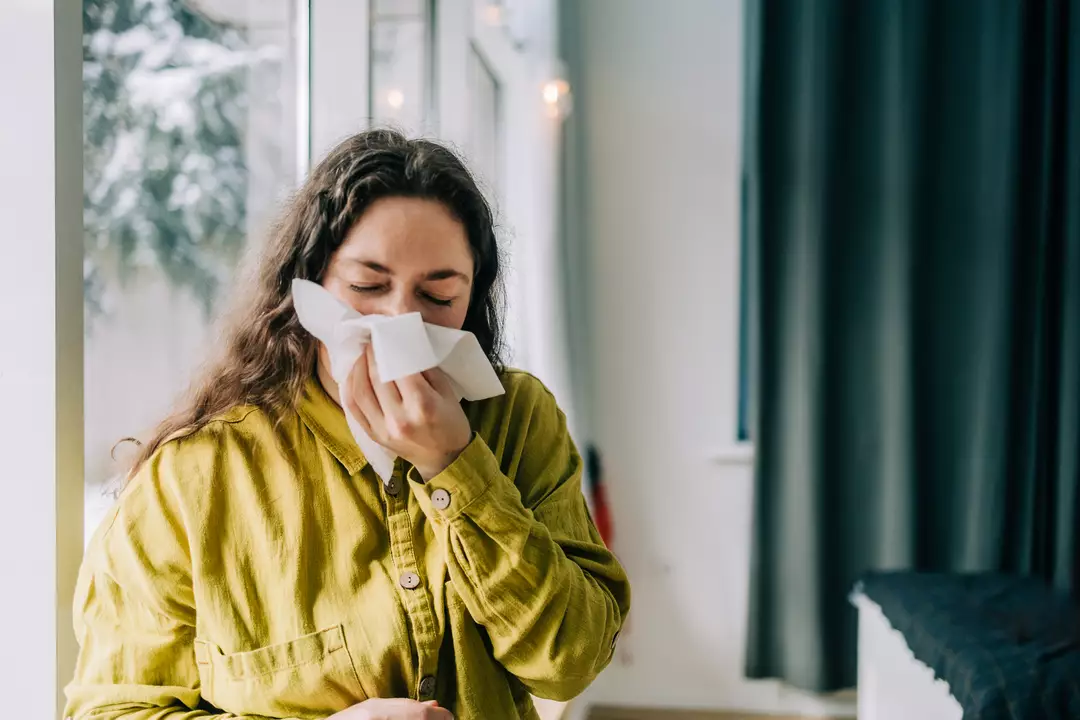
However, the tablets may come with an unexpected side effect: they could make you feel hungrier.
Dr Crystal Wyllie, a GP at ZAVA Online Doctor, said: “Histamine actually helps suppress appetite in the brain.
“When you take an antihistamine, you’re blocking that effect, which may make you feel hungrier than usual. Over time, that can lead to increased calorie intake without you even realising it.”
Specialists note that while an association exists, any overall effect on a person’s weight is generally thought to be small.
A 2020 study reported that people using prescription antihistamines showed higher body weight, BMI, and insulin levels, though Dr Wyllie stressed the importance of considering other contributing factors.
“Weight and allergies appear to be linked in a two-way relationship,’ says Dr Wyllie.
“It’s important to look at the bigger picture rather than blaming a single medication.”

For anyone worried about managing symptoms or appetite changes, Dr Wyllie says dietary tweaks may help support the body during hay fever season—though they shouldn’t be treated as a substitute for treatment.
“Food isn’t a replacement for medication, but certain nutrients can help your body respond more calmly to allergens,” she explained.
“Think of it as supporting your system from the inside out.”
As a starting point, she suggests looking at foods that are high in vitamin C and omega-fatty acids, including options like berries, kale, and oily fish.