

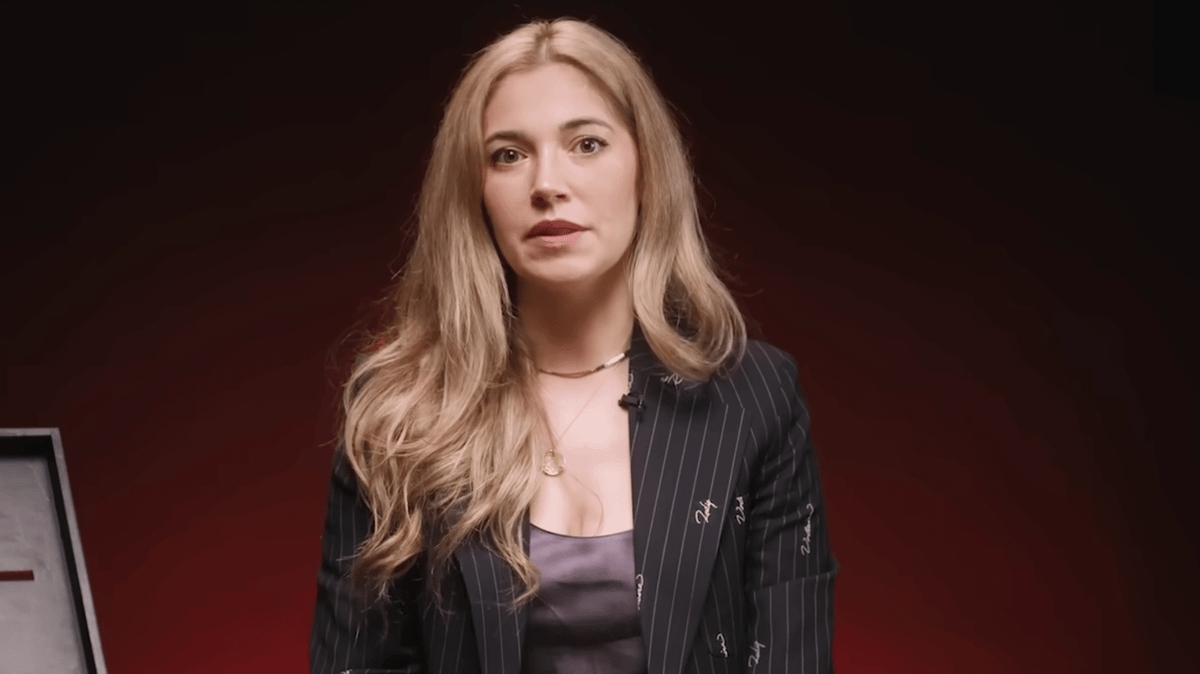
A specialist has shared a simple way to gauge whether someone may be a narcissist — by paying close attention to how they respond to a straightforward four-word question.
The word “narcissist” gets thrown around a lot, usually to describe a person who seems intensely self-focused, craves validation, and constantly seeks admiration or praise.
In clinical terms, though, narcissism refers to something more specific. The American Psychiatric Association categorises it as a personality disorder, describing it as a long-standing pattern that involves grandiosity and a lack of empathy.
That’s why experts caution against casually diagnosing the people around you. Despite how common the label has become in everyday conversations, estimates suggest only around one to two percent of people in the US meet the criteria for narcissistic personality disorder.
Because it’s relatively uncommon, German-Canadian criminal psychologist Dr Julia Shaw says the most effective approach is also the most direct — and it begins with one very blunt question.
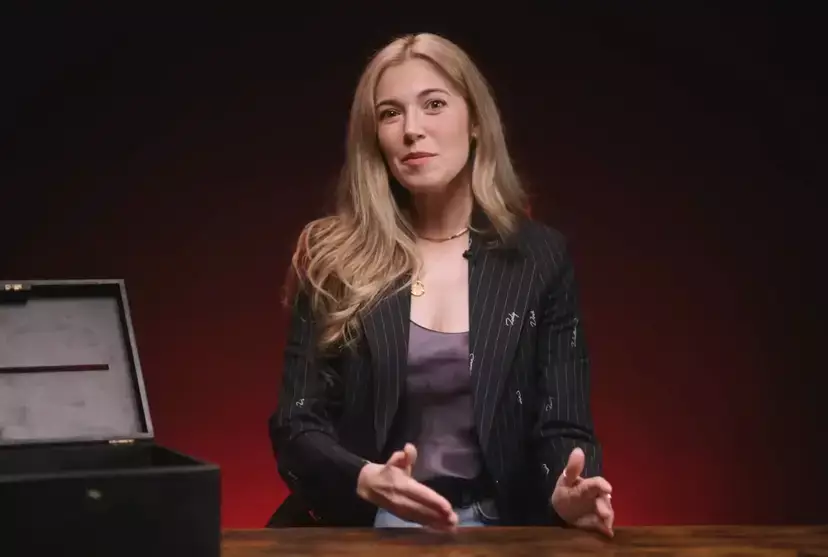
Dr Shaw frequently works with murderers and psychopaths, and she previously presented the BBC Sounds true crime podcast Bad People, which most recently aired in December 2024.
Across her career, she’s also examined how certain interview techniques can lead people to confess or “remember” events inaccurately — including claiming involvement in crimes they didn’t commit.
In November 2025, she discussed how to spot genuine narcissism outside of textbooks and diagnoses, and why the public is often too quick to use the term.
During the conversation, she said: “People love this term right now, don’t they? Narcissist,” before explaining that the label can get applied to almost anyone — from parents and exes to professionals you’d expect to be impartial.
She added: “Narcissism is a personality disorder,” and said it can be identified through the right “targeted” questioning.
Researchers have explored various screening methods over time, narrowing assessments from longer lists of questions down to a single, widely cited prompt — what Dr Shaw referred to as the “single item narcissism scale”.
That question is as direct as it sounds: “Which is literally just the question, ‘Are you a narcissist?'” She noted that while it may seem too obvious to be effective — especially if you assume someone would avoid admitting it — it still has practical value.

As she put it: “How do you spot a narcissist? Ask them,” she explained. “A narcissist would probably answer to this question, ‘Yeah but like, I am better than most people. It’s a realistic appraisal of myself,’ because that’s what narcissism is.
“It’s that overconfidence, it’s that thinking you’re great and thinking you’re better than you actually are.”
Even so, Dr Shaw stressed that “narcissist” is increasingly being used as a casual insult rather than a considered description, and warned that this can dilute the meaning of clinical language — especially in settings where precision matters.
She said: “It’s not useful because you’re just angry at somebody in real life, in normal sort of everyday life. So I think we need to be incredibly careful not to use this therapeutic language in this really casual, overly confident, inaccurate way because it takes away from context where it really matters.”
Her comments come as the true crime expert — who also fronts the ITVX series Murder in Mind — has spoken more broadly about how she views criminality and the way people talk about “evil”.
In her view, the label can oversimplify complex behaviour. She explained: “I don’t like the term ‘evil’, but certainly in terms of crime, I mean almost all crime is perpetrated by men and also the victims are most likely to be men,” Dr Shaw explained.
“So I think there it’s pretty clear that there’s a gender issue going on in terms of crime and rule breaking and anger and especially violent crimes, but all kinds of crimes really.”