

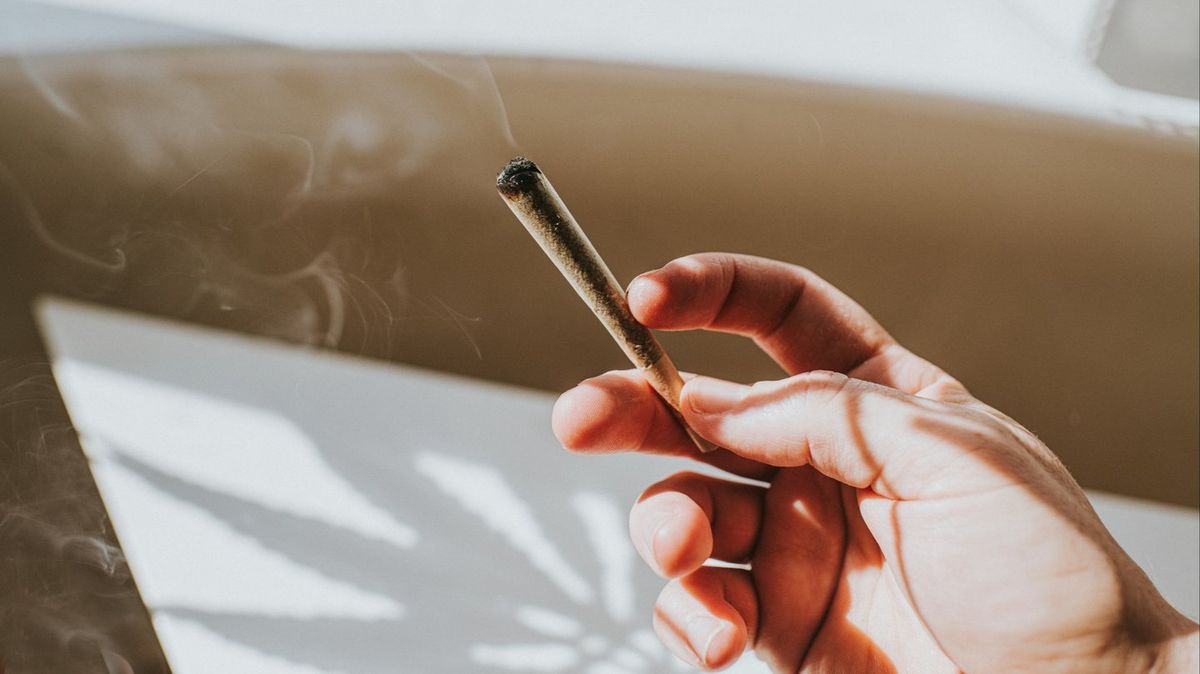
A new analysis suggests almost 13 percent of US adults rely on some form of sleep aid to get proper rest — and 3.7 percent say they use marijuana or CBD products at night.
A report from the National Center for Health Statistics (NCHS) looked at adults who said they’d used sleep aids “most days” or “every day” during the previous month.
Using data collected in 2024, the report found 12.9 percent of adults fit that description. Within that group, 3.7 percent reported using marijuana (cannabis) or CBD, 5.2 percent used prescription sleep medication, and 5.7 percent used over-the-counter medicines or supplements.
Those numbers reflect regular use, but cannabis is also something many people say they’ve tried at least occasionally to help them drift off.
A Sleep Foundation survey released last year reported that 77 percent of men and 64 percent of women aged 21 to 64 had used cannabis at some point as a sleep aid.
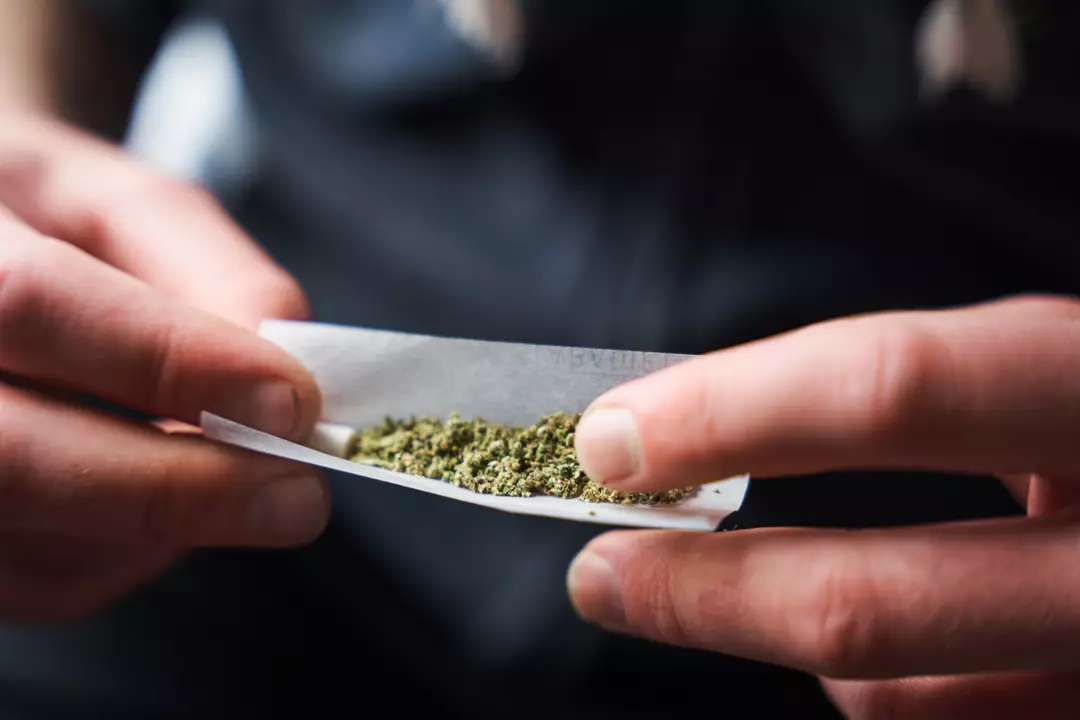
One factor that can shape how cannabis affects sleep is the type of strain. As the Sleep Foundation notes: “Indica strains may feel more calming and promote sleepiness, while sativa strains are often stimulating, though outcomes depend heavily on individual physiology.”
The website also adds: “Hybrid strains with a mix of indica and sativa may produce different effects based on the specific makeup of cannabinoids and other ingredients,” it adds on its website.
Some research indicates cannabis may help people fall asleep more quickly in the short term, though questions remain about the overall quality of sleep that follows — particularly with ongoing use.
In fact, certain studies have linked long-term marijuana use with poorer sleep outcomes, including getting less sleep overall, spending less time asleep, taking longer to fall asleep, and waking more often during the night.

Beyond sleep, researchers have also examined how cannabis use may relate to changes in the brain, including gray matter. Cleveland Clinic describes gray matter as ‘a vital part of your brain and spinal cord that supports thinking, movement and memory’.
However, not all findings point in the same direction. A study published earlier this year suggested older adults who had consumed cannabis in some form scored higher on cognitive tests.
Commenting on the results, Dr Anika Guha, a clinical psychologist at the University of Colorado Anschutz Medical Campus, said: “I was a little surprised that every cognitive measure that demonstrated a significant effect showed better performance among cannabis user.
“It goes against your default assumptions because I think a lot of research out there has shown cannabis is associated with worse cognitive function, at least acutely.”