


It’s a critical resource that helps keep modern life running.
Often dubbed “white gold,” lithium sits at the heart of today’s tech—powering everything from smartphones and laptops to electric cars and e-bikes.
Now, researchers say a significant deposit beneath the Appalachian Mountains could provide the US with a long-term domestic supply.
The US Geological Survey (USGS) has identified lithium resources estimated to be worth about $64.4 billion.
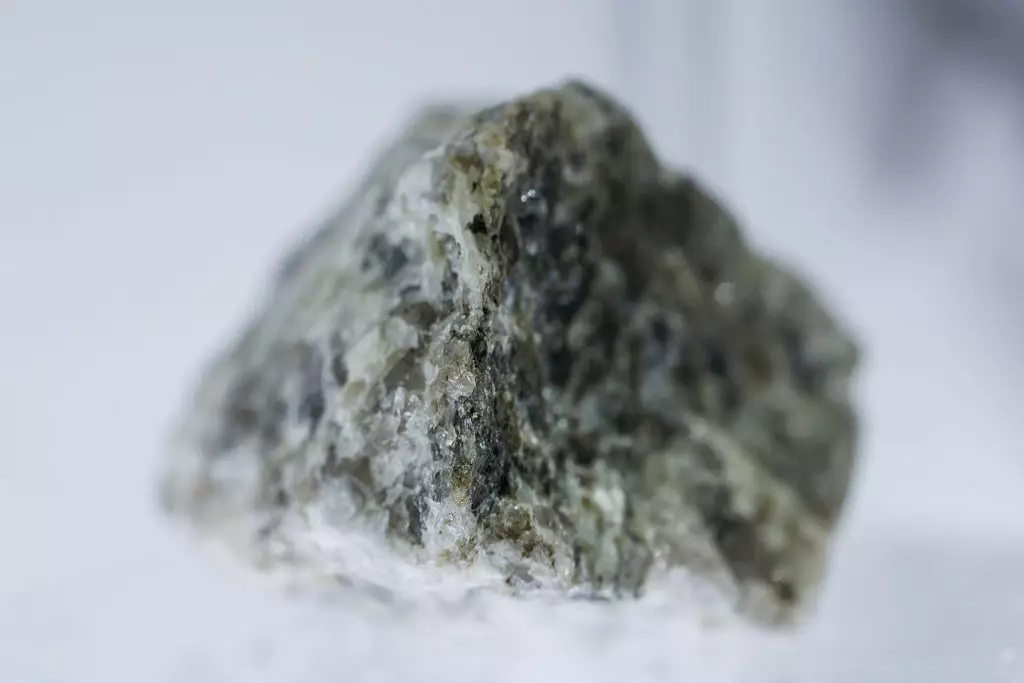
If developed, the find could reduce the nation’s dependence on overseas sources for battery materials.
A statement from Ned Mamula from the USGS said: “This research shows that the Appalachians contain enough lithium to help meet the nation’s growing needs.”
The East Coast range is thought to contain roughly 2.5 metric tons of the battery ingredient, with much of it concentrated across the Carolinas, Maine and New Hampshire.
According to Bloomberg, the US currently imports around half of the lithium it uses.
USGS officials suggest that could change, arguing the newly identified resource could theoretically support about 130 million electric vehicles and provide enough lithium to make batteries for 180 billion laptops over a thousand-year span.
The agency also said the deposit could offset the equivalent of 328 years of imports, representing a “major contribution to US mineral security, at a time when global lithium demand is rising rapidly.”
To estimate how much lithium might be present, the USGS combined multiple lines of evidence, including geologic mapping, tectonic history, geochemical sampling, geophysical surveys and historical records of mineral occurrences.
Researchers then ran simulations using a global dataset of lithium pegmatites—rock formations known for hosting valuable lithium-bearing minerals—to calculate likely totals across the study area.
In the process, the team pinpointed 18 separate districts believed to be rich in lithium.

The USGS said these lithium pegmatites trace back to the same ancient geologic processes that helped form the Appalachians more than 250 million years ago.
The statement continued: “The high heat and pressure during the mountain-building caused some of the deeper crustal rocks to melt, and some of these magmas were rich in lithium.
“Because of their immense age, lithium-rich rocks formed during ancient tectonic collisions, when continents slammed together to create the supercontinent Pangea.”
Looking ahead, global lithium production capacity is expected to double by 2029 as demand continues to climb.
Australia and China remain among the world’s largest producers, with Australia supplying nearly half of total global output in 2024.
However, the US once led the world in lithium production just a few decades ago.
With discoveries like this, a return to that position may be closer than it has been in years.