

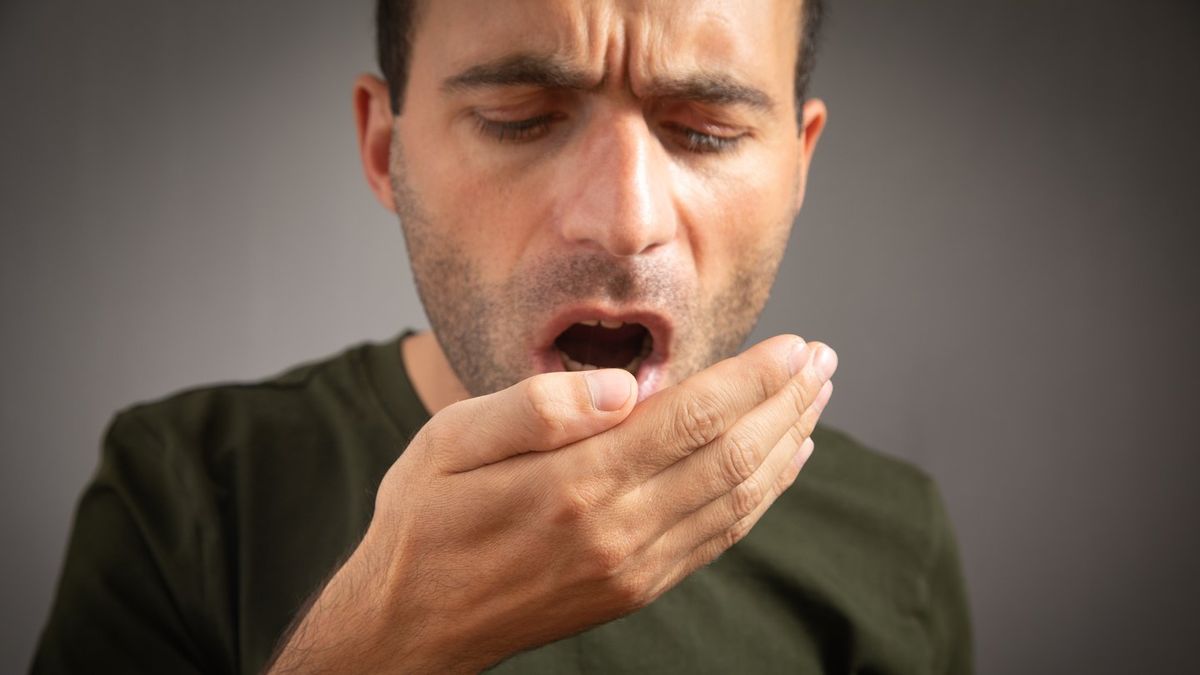
Even if people taking Ozempic are eating less, many are buying more gum and mints — and some say it’s because of “Ozempic breath”.
An uptick in gum and mint sales alongside the growing popularity of GLP-1 medications has been highlighted by Hershey Co. CEO Kirk Tanner.
While the company is best known for its chocolate brands, Hershey also owns the Ice Breakers mint line. Tanner noted that retail sales for the product range rose 8% over the most recent quarter.
“We’ve also seen strong demand for gum and mint products as the category benefits from functional snacking tailwinds, including GLP-1 adoption,” he said in prepared remarks.
So what do people mean when they talk about Ozempic breath — and what can be done to reduce it?
Although it isn’t a formal medical diagnosis, a number of GLP-1 users have described foul-smelling breath and unpleasant burps as a frustrating side effect. Reports often compare the odor to rotten eggs or fish, and some people also mention a lingering metallic taste.
It’s not limited to one brand either. People taking other semaglutide-based medications have raised similar complaints, even though it isn’t commonly listed as a side effect for Ozempic, Wegovy, Monjouro, or Zepbound.
Christopher McGowan, MD, a gastroenterologist, obesity medicine specialist and founder of True You Weight Loss said that the unpleasant smell “is a direct result of the mechanism of action of GLP-1 medications,” as per Healthline.
“All drugs within this medication class lead to a delay in gastric emptying, which means it takes significantly longer for food to exit the stomach,” he said.
Normally, food moves through the stomach within hours. With GLP-1 medications, gastric emptying can slow significantly, meaning food may sit in the stomach far longer — potentially stretching from hours into days.
“At that point, your stomach is functionally a compost bin, and if you burp, it won’t be pleasant,” Christopher added.
Another factor can be dry mouth, which some semaglutide users experience due to dehydration or reduced saliva — both of which can worsen bad breath.

The good news is that there are practical steps people can take to help manage the odor.
Speaking to the outlet, Dr Blanka Orloff outlined several approaches for those dealing with the issue.
Sharing her advice with the publication, Dr Orloff recommends: ‘Improving flossing, brushing, using mouthwash, using gum and mints with xylitol, which naturally produces more saliva, also helps.”
She also suggests increasing fluid intake and ‘eating smaller, more frequent meals,’ so there is ‘less food in the stomach to ferment’.
Another tip often shared is to finish the last meal at least three hours before bedtime, which may help reduce lingering food particles and overnight mouth dryness.
Ozempic is prescribed for people with type two diabetes to help manage blood sugar, though it has also become widely used for weight loss.
Novo Nordisk, the maker of Ozempic, has been contacted for comment.