

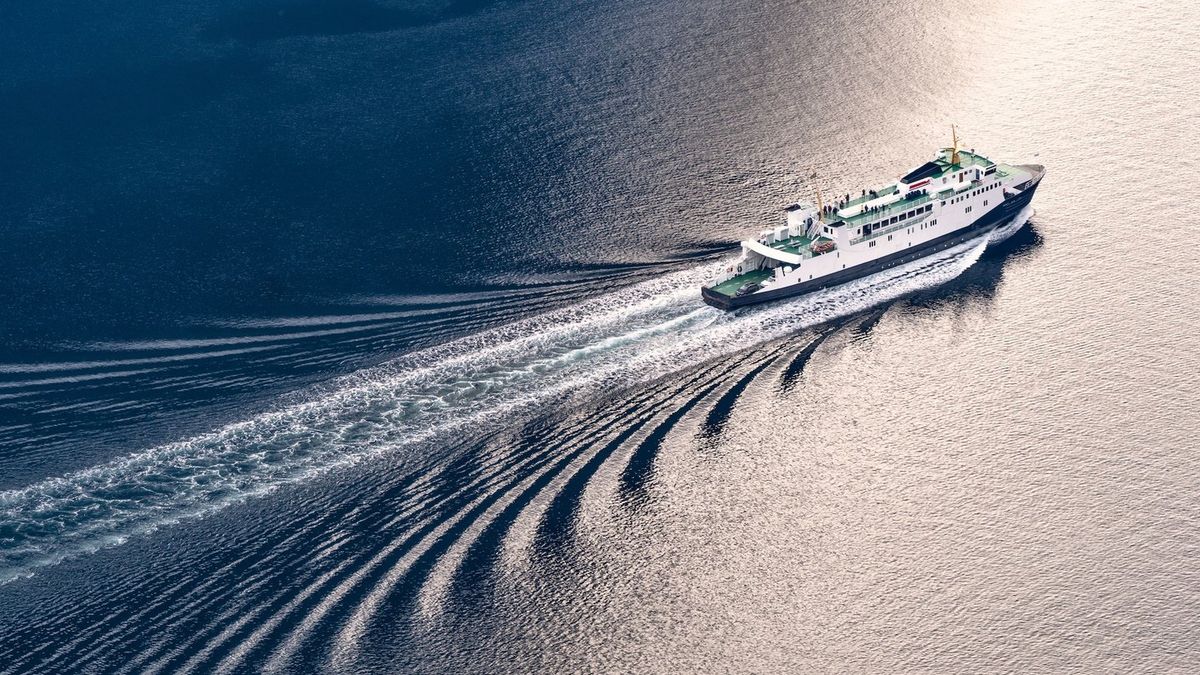
Three passengers have died and three others are ill after contracting Hantavirus aboard a British cruise ship, a virus which medical experts say there are no ‘specific medical interventions’ for.
Three Dutch travellers have died following a suspected Hantavirus outbreak on a cruise ship travelling across the Atlantic Ocean, according to the World Health Organisation (WHO).
The agency said one case has been confirmed so far, with five more considered suspected infections.
The first reported patient was a 70-year-old man who ‘suddenly became ill’ while the vessel was at sea. He died soon after the ship arrived at St Helena Island.
His 69-year-old wife later fell ill as well and died in hospital after being transferred to South Africa.
A third Dutch passenger has also died, with their body still onboard the ship.
In an update, the WHO said it is ‘supporting a public health event involving a cruise vessel sailing in the Atlantic Ocean’.
It said: “Detailed investigations are ongoing, including further laboratory testing, and epidemiological investigations.
“Medical care and support are being provided to passengers and crew. Sequencing of the virus is also ongoing.”
About 150 tourists were onboard the MV Hondius, which departed Ushuaia in southern Argentina roughly three weeks ago and was sailing toward Cape Verde.
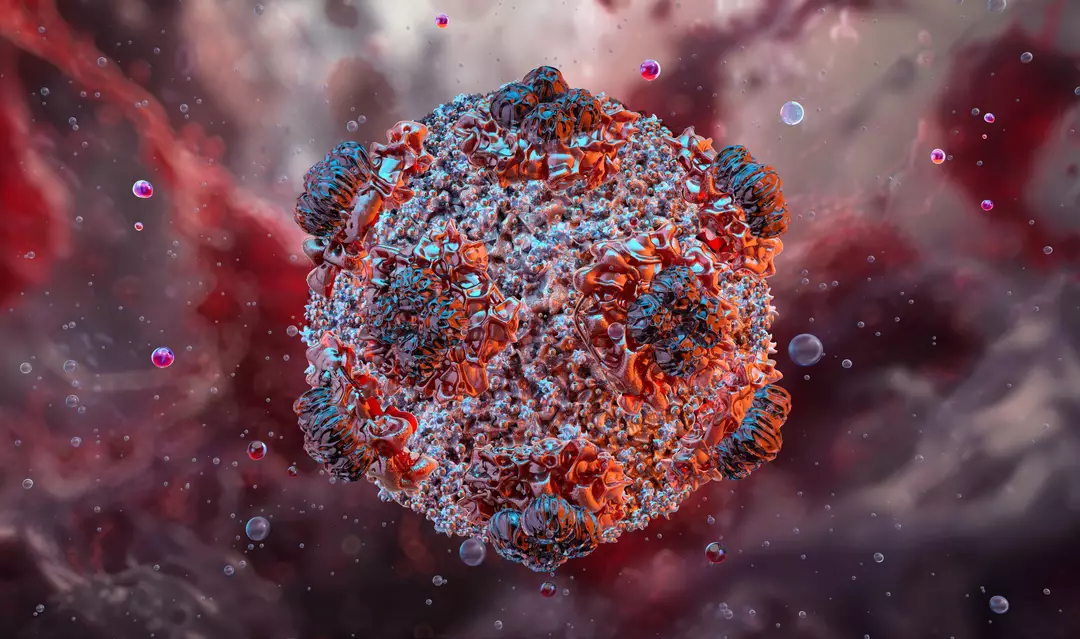
As noted by the Mayo Clinic, hantaviruses are most commonly associated with rodents and can spread through contact with infected animals’ urine or faeces.
The WHO added that: “While rare, hantavirus may spread between people, and can lead to severe respiratory illness and requires careful patient monitoring, support and response.”
South Africa’s Department of Health said patients brought to its hospitals showed symptoms including fever, headache, abdominal pain, and diarrhoea.
The Mayo Clinic warns that as the illness progresses it can cause ‘damaged lung tissues’, which may be linked to signs such as low blood pressure, breathing difficulties, and an irregular heart rate.
After the suspected outbreak, the cruise operator said the two individuals still showing symptoms onboard are crew members.
“The priority of Oceanwide Expeditions is to ensure that the two symptomatic individuals on board receive adequate and expedited medical care,” the company said in a statement.
Speaking to the BBC, David Safronetz, chief of special pathogens at Canada’s National Microbiology Laboratory, said: “There are no specific vaccines for hantaviral diseases, there are no specific antivirals to treat the disease in humans with.”
“Treatment primarily is supportive care, so early identification of cases, seeking medical attention, and getting into facilities that are capable of assisting,” the medical expert added.