

On paper, 2026 should be a great time to be a woman.
Women are earning more degrees than men, building real financial independence, and living with more autonomy and options than previous generations could realistically imagine.
But despite those gains, surveys and health indicators suggest women’s wellbeing is trending in the wrong direction, with many reporting they feel worse, not better.
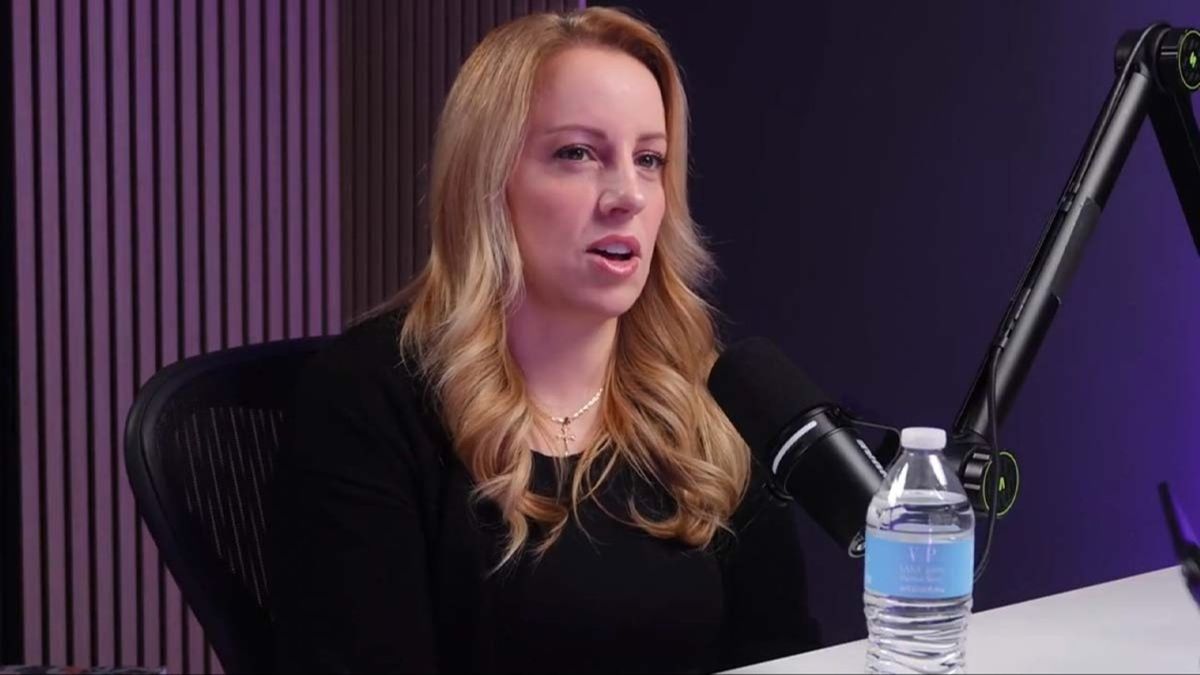
That tension has puzzled academics for years, and Rachel Wilson, who wrote Occult Feminism, believes she has a framework for why it’s happening.
During an appearance on the Jack Neel Podcast, Wilson addressed what she sees as the core contradiction driving modern women’s unhappiness, and she didn’t soften her assessment.
“Rachel, the average American woman is the most educated, most financially independent, and most free woman in human history,” Neel asked.
“She’s also the loneliest, most depressed, and least likely to have kids. Why do you think women are so unhappy in 2026?”
In her response, Wilson referenced two major research efforts that tried to make sense of the trend, starting with the 2009 paper titled The Paradox of Declining Female Happiness.
“In this study, the authors in their summary said that women have reported higher levels of unhappiness, loneliness, depression, than ever before,” she explained.
“So if we go back to the 70s, which is arguably kind of the tipping point where feminism became the dominant ethos, if you go back to the early 70s where they asked women these questions, they largely reported being pretty content.”
She then contrasted that earlier picture with more troubling present-day statistics.
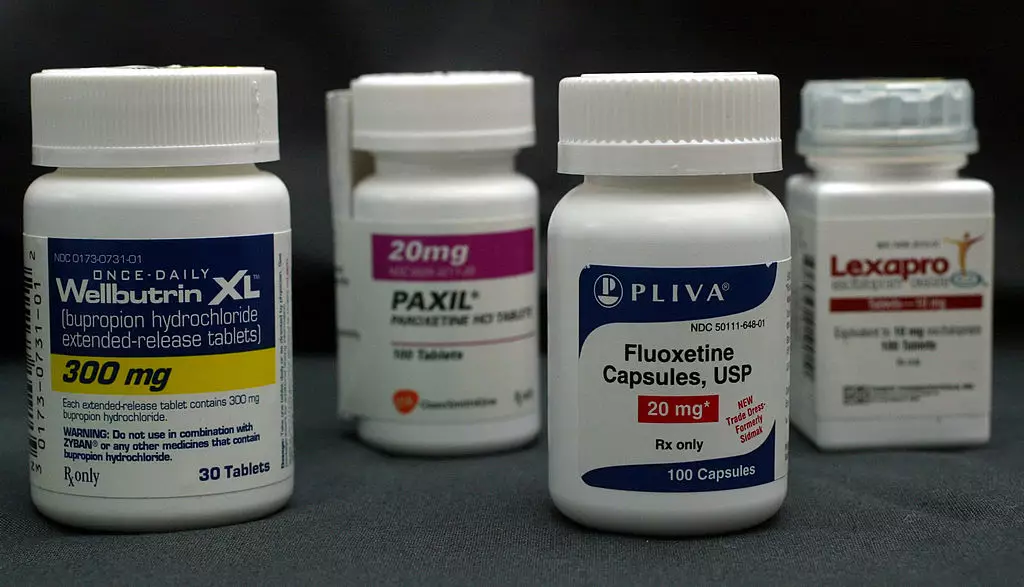
Wilson pointed to figures including that 26% of American women are taking at least one psychiatric medication. She also cited record-high rates of fetal alcohol syndrome and alcoholism among women. On top of that, she noted that women are now three times more likely than men to experience common mental health conditions, and that the gap has widened over time.
For Wilson, the deeper issue is a disconnect between what many women were promised would bring fulfillment and what, in reality, seems to correlate with greater satisfaction.
“We’ve created a paradox where by giving women everything that at least feminism told us they wanted, which was full equality, independence, from men who that we could choose a husband based on who we love and not who we need, that this would make women happier,” she said.
“And we’re finding ourselves in a position where women are reporting the highest levels of unhappiness ever.”
One part of her explanation centers on dating and relationships.

As women’s educational attainment and earning power have risen, Wilson argues, some have found it harder to meet partners they feel align with (or surpass) their own status—something she says many women still naturally seek.
“Women don’t know what to do with relationships because on the one hand, they want men who make more than they do.
“They want men who are higher achieving than they are. Yet this creates a paradox, whereas women have become number one earners of college degrees.”
In her view, this dynamic leaves some women feeling like they followed the established blueprint for success, only to reach the other side feeling isolated and uncertain.
“What often happens, you’ll see these viral clips on the internet of women in their 30s and 40s sitting alone in their car crying, ‘I did all the things I was supposed to, I followed the prescription and I’m unhappy. I’m stressed out. I’m alone. I can’t find a husband. I won’t have a family. Am I going to die by myself? What did I do? I can’t go back.'”
Wilson also emphasized that she doesn’t see a single, neat explanation for the trend. Still, she argued that loneliness, changing marriage patterns, and the expectation to excel in every domain are major contributors.
“I think it’s also we put so much pressure on responsibility on women to do it all, be it all, and have it all,” she said; speaking partly from personal experience.
“By the time I got done with 12th grade, I thought, I think I just want to get married and have kids. Like, I really just want to marry my boyfriend, start a family and be a mom.”
The topic continues to fuel debate and strong reactions, but whatever people think of the conclusions, the studies and statistics being referenced remain part of the broader record that researchers are grappling with.