

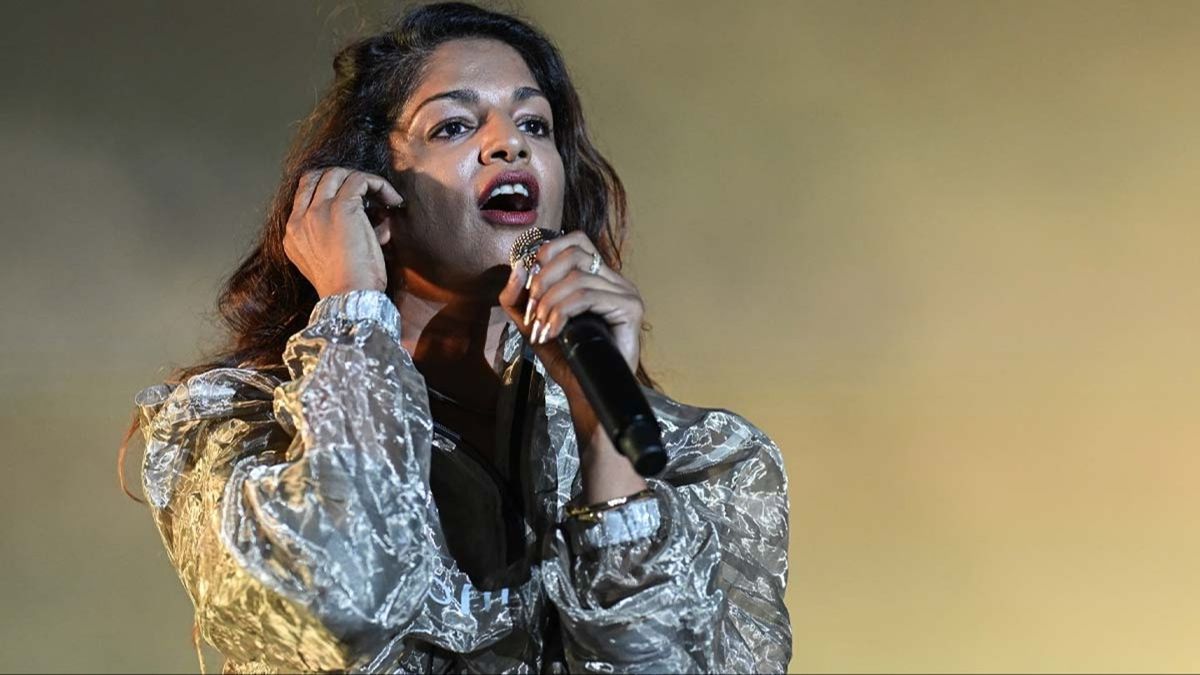
Once touted as the future of music, M.I.A has increasingly looked like an artist determined to set fire to her own reputation — and her latest moment on stage at a Kid Cudi show in Dallas may be the clearest case of self-sabotage yet.
The British-Sri Lankan rapper, Mathangi Arulpragasam, was on supporting duties for Kid Cudi’s Rebel Ragers Tour when she veered away from performing and into a political rant — the kind of detour that tends not to go over well in an amphitheatre full of fans who came for “Pursuit of Happiness,” not a lecture.
M.I.A told the audience she couldn’t play her 2010 song ‘Illegal’ — a track centred on the dehumanisation of migrants and refugees — because:
“there’s probably one in the crowd.”
Rather than backtrack, she added another comment that further inflamed the room:
“never thought I’d be cancelled for being a Republican voter.”
You can check out the video on Reddit here.
One TikTok user summarised the experience in blunt terms:
“The worst warm up act of all time.”
The reaction inside the venue was swift, with loud boos cutting through the set.
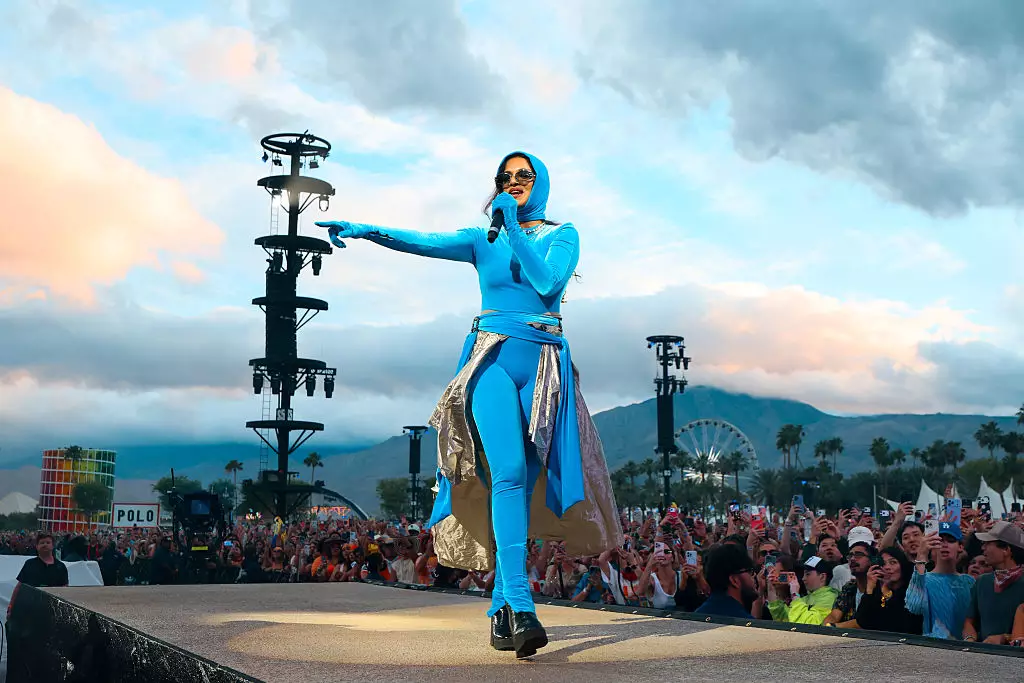
The moment landed with an extra layer of contradiction. ‘Illegal’ is written from the viewpoint of a refugee escaping violence and persecution — a subject closely tied to M.I.A’s own story, having been raised in London as the child of Tamil refugees from Sri Lanka while facing real hardship and racism.
Turning that track into a throwaway jab didn’t read as edgy; it read as bleak.
It’s a sharp contrast to the M.I.A many listeners first fell for. Her debut, Arular, felt like a jolt to pop music — fusing dancehall, punk energy, baile funk and Tamil influences in a way that made mainstream releases around it seem cautious.
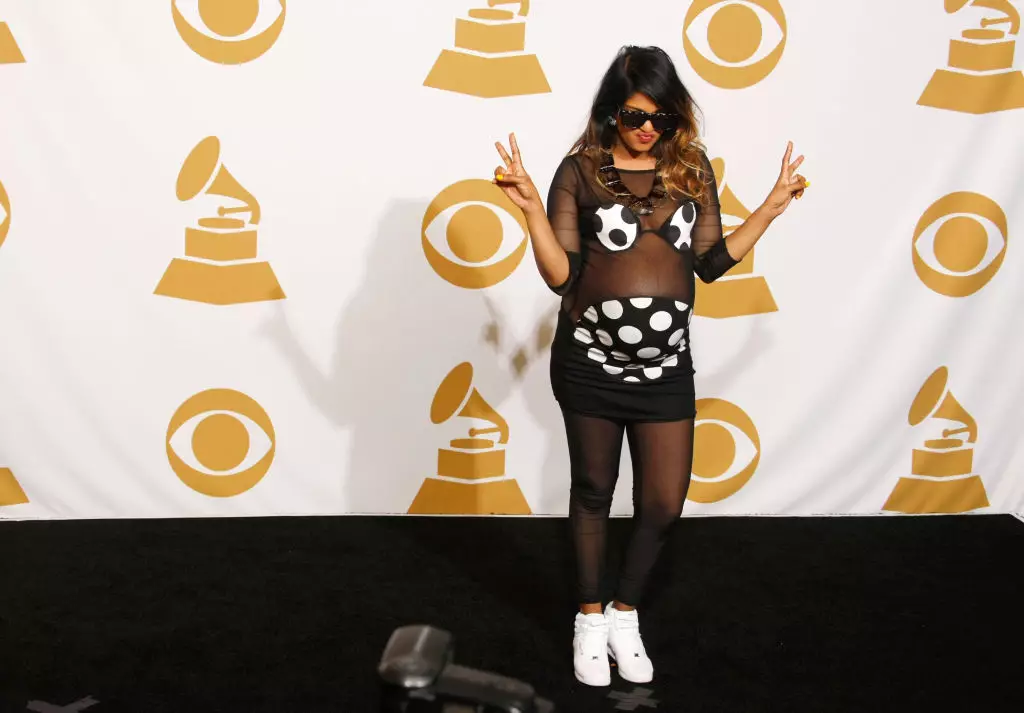
‘Paper Planes’ earned her a Grammy nomination, and her connection to Slumdog Millionaire helped bring an Oscar nomination into the mix.
For a while, she was framed by some as a next-generation Madonna — only less polished, less corporate, and more willing to lean into uncomfortable political realities.
Instead, the past decade has seen a steady shift from provocateur with purpose to someone seemingly chasing outrage as a brand.
Between inflammatory posts about the Coronavirus vaccine, her pro-Republican positioning that’s pushed parts of her fanbase away, and even a fashion venture marketed around protection from 5G, the pattern has been hard to ignore — and this Dallas episode fits right in.
For an artist who built a career around identifying with people on the margins, the direction of her politics now feels increasingly discordant.
And joking about undocumented immigrants doesn’t come off as fearless — it comes off as punching down.