


Justin Bieber’s Coachella set has had plenty of people replaying his biggest hits. But for one man in Russia, a Bieber track turned out to be far more than background music.
It may have been the thing that helped him survive a terrifying bear encounter.
The incident reportedly happened in 2014, several years after the song had first come out.
Igor Vorozhbitsyn, 42 at the time, was out fishing in Russia’s Yakutia Republic when a bear attacked him from behind.
Igor said the animal was ‘on top’ of him.
As the bear clawed at his face, his phone started ringing and played Bieber’s Baby.
The unexpected noise appeared to spook the bear, which backed off and fled into the forest. Igor then managed to call for help and nearby fishermen came to his aid.

Speaking to the Croatian Times at the time, the 42-year-old said: “I know that sort of ringtone isn’t to everyone’s taste but my granddaughter loaded it onto my phone for a joke.”
That prank ended up being incredibly well-timed.
Igor still sustained injuries, including cuts and bruising across his face and chest.
So was the bear simply startled by Bieber, or is there a broader explanation? An expert told the outlet that sudden surprises can sometimes interrupt an attack.
“Sometimes a sharp shock can stop an angry bear in its tracks and that ringtone would be a very unexpected sound for a bear,” they said.
There’s also research suggesting that noise can reduce the likelihood of bears coming closer to people.
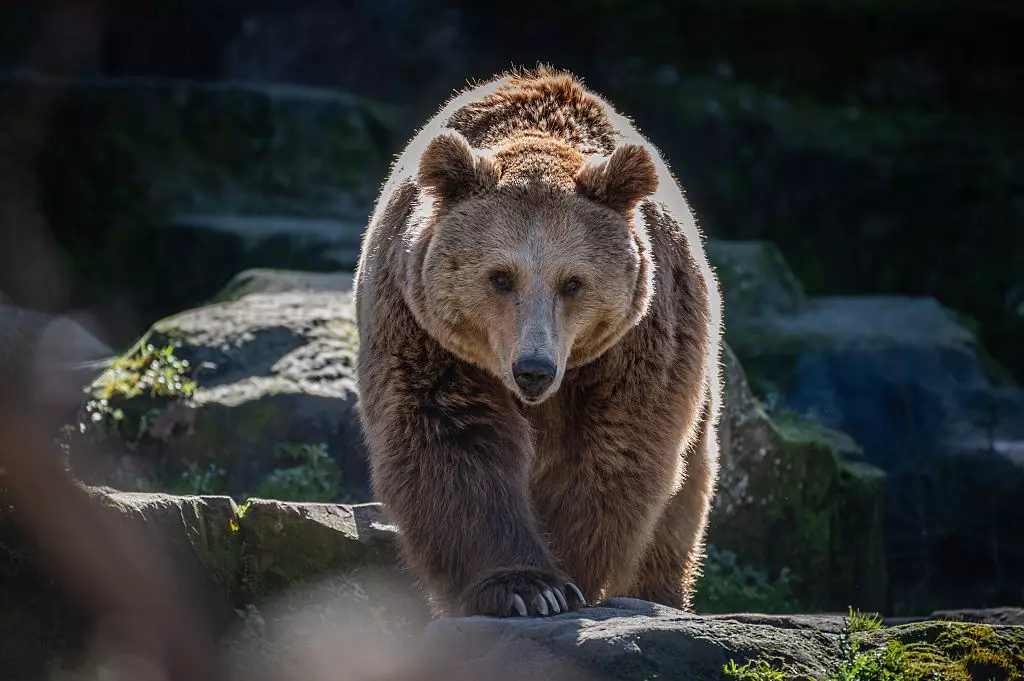
A 1985 study by Katherine L Jope found that bells, in particular, could be useful for discouraging bears, Narwhal reports.
According to the findings, bears were more likely to move away from hikers who had bear bells.
By contrast, when bells weren’t used, bears were more likely to approach—and in some cases even charge.
Jope suggested the bells acted as an early alert, effectively signalling that people were nearby.
That way, the theory goes, bears weren’t taken by surprise when hikers appeared, because they’d already been warned by the sound.
Even so, deadly bear attacks are considered uncommon. Reports suggest that in North America, fewer than three people a year die as a result of bear attacks.
In Russia, however, attacks are more frequently reported due to the country’s large brown bear population, with estimates putting fatal incidents at around seven or eight per year on average.