

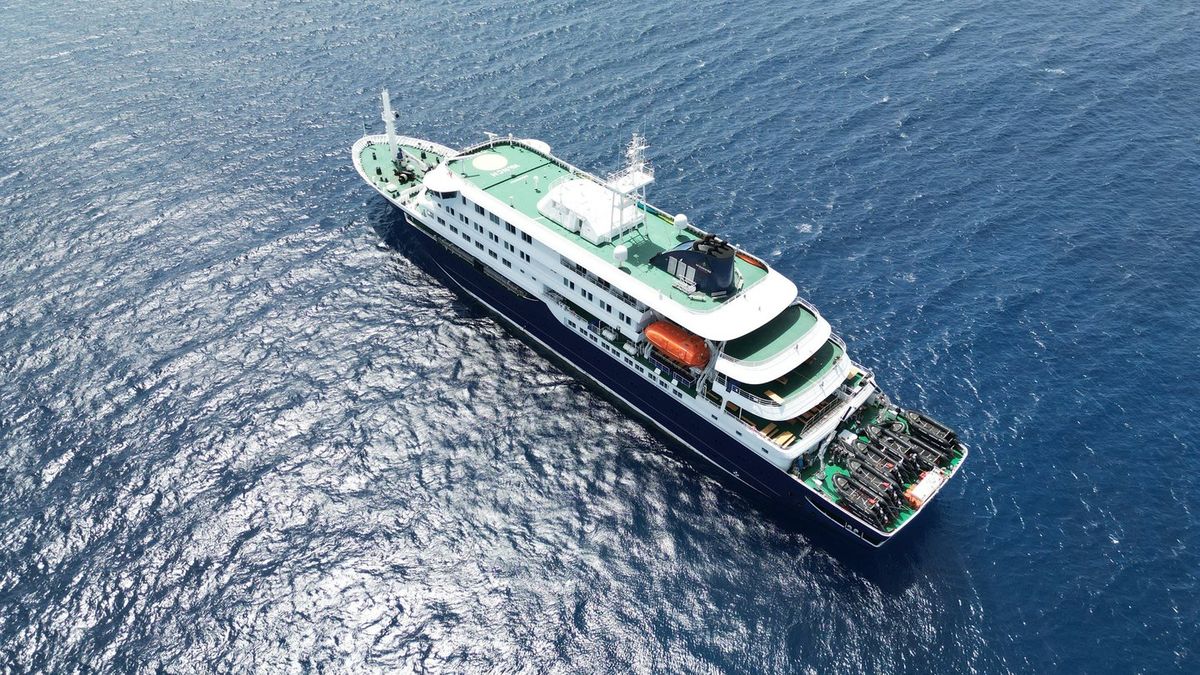
Officials are looking at two main explanations for how hantavirus may have spread aboard a cruise ship now sailing toward the Canary Islands.
Reports in recent days say three passengers on a Dutch cruise vessel have died after the ship departed Argentina, with a suspected hantavirus outbreak under investigation. The deaths are understood to involve Dutch nationals.
BBC News also reports that more people have become seriously ill, including the ship’s doctor.
A second crew member is reportedly unwell as well. Both are said to require urgent care after developing respiratory symptoms. Reports said they were scheduled to be evacuated yesterday (May 5) for transport to the Netherlands.
Spain’s health ministry has indicated that the remaining passengers will continue on to the Canary Islands and are expected to arrive in the coming days. As of yesterday, it had not been confirmed which port would receive the vessel, MV Hondius.

About 149 people from 23 countries are still aboard, including 22 passengers reported to be British.
With the outbreak’s origin still unclear, attention has focused on two possible routes of transmission.
One common way hantavirus spreads is through contact with infected rodents, such as rats or mice. Exposure can occur via contaminated droppings, urine, or saliva.
Physician Zaid Fadul, a former Air Force flight surgeon, said this is typically how cases arise. However the World Health Organization (WHO) has said no rodents have been detected on the ship.
A second scenario being considered by health officials is the much rarer possibility of person-to-person spread.
“The Andes virus — that one specific subtype of the hantavirus — in Argentina, where they were, is the one that’s transmitted person-to-person,” Fadul told NYP, adding: “And that’s where a lot of anxiety in this case is coming from.”
This particular strain has been reported to carry a mortality rate of around 40 percent.
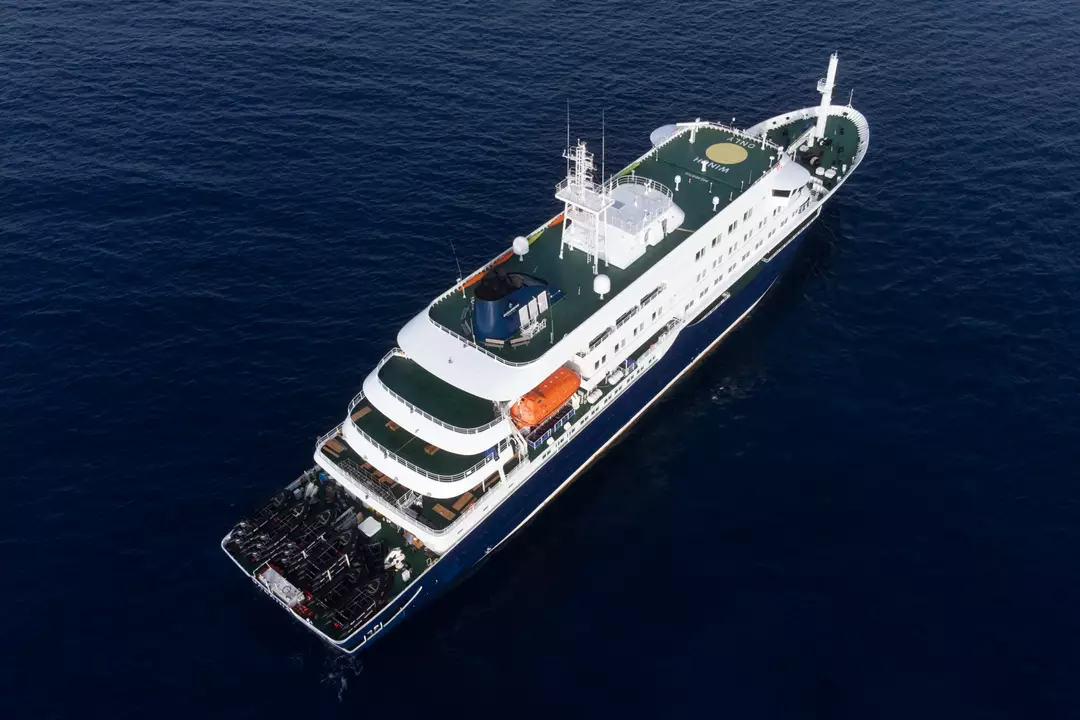
WHO guidance notes that the Andes virus circulates in South America, where MV Hondius had recently been operating.
It’s website says of this particular strain: “To date, human-to-human transmission has been documented only for Andes virus in the Americas and remains uncommon.
“When it occurs, transmission between people has been associated with close and prolonged contact, particularly among household members or intimate partners, and appears most likely during the early phase of illness, when the virus is more transmissible.”
Supporting the idea that close-contact spread may have occurred on board, WHO official Dr Maria Van Kerkhove said: “We do believe that there may be some human-to-human transmission that is happening among the really close contacts.”
She also said the earliest infection could have happened before the individual ever boarded the ship.