

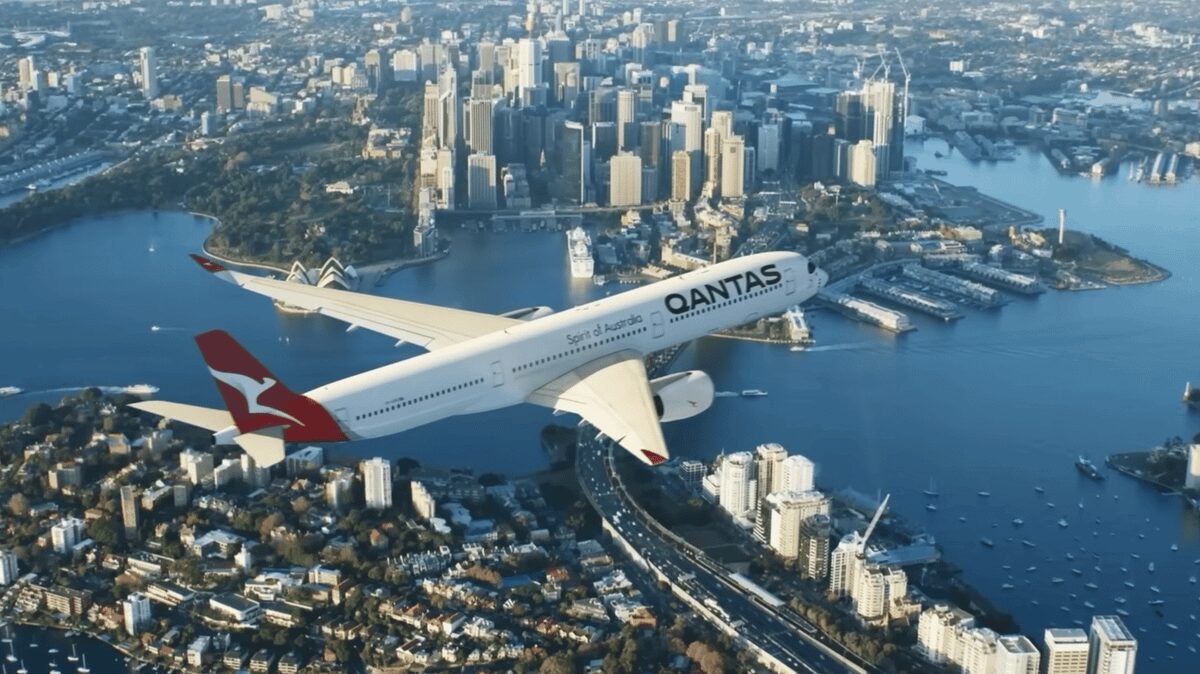
Qantas is preparing to launch what would become the longest direct flight on the planet, linking Australia with both the United States and the United Kingdom — and it comes with a surprisingly useful upgrade for Economy passengers.
A non-stop trip from London to Australia is expected to last around 22 hours, which would make it the longest direct commercial route in the world. The service is planned as part of the airline’s Project Sunrise, with a target launch date of 2027 if timelines stay on track.
The flights will be operated by the Airbus A350, removing the need for stopovers in places such as Dubai, Singapore, or Beijing. Qantas is due to receive 12 of the aircraft at its Sydney base.
Speaking last month on the first of their new aircraft, Qantas said: “All major structural components [are] now fitted including the fuselage, wings, tail, landing gear and engines.
“From next year, these aircraft will carry our customers non-stop from Sydney to London and New York for the first time ever – reducing flying time by up to four hours.”
Whenever a new aircraft is unveiled, attention tends to go straight to the premium cabins and the high-end experience that comes with Business or First Class tickets.
With fares that can run into the thousands each way, those cabins are out of reach for most travellers — typically glimpsed only while walking past on the way to Economy (or Premium Economy, if you’re lucky).
But Project Sunrise includes a practical addition that could make a big difference on ultra-long-haul flights for those in standard seats.
In a virtual tour of the new cabin layouts, Qantas highlights an Economy feature that’s simple but smart: a dedicated shelf for personal devices.
That means passengers can avoid spending hours staring down at a phone or tablet propped awkwardly on the tray table — a small change that could help reduce the neck strain that often comes with long-haul travel.
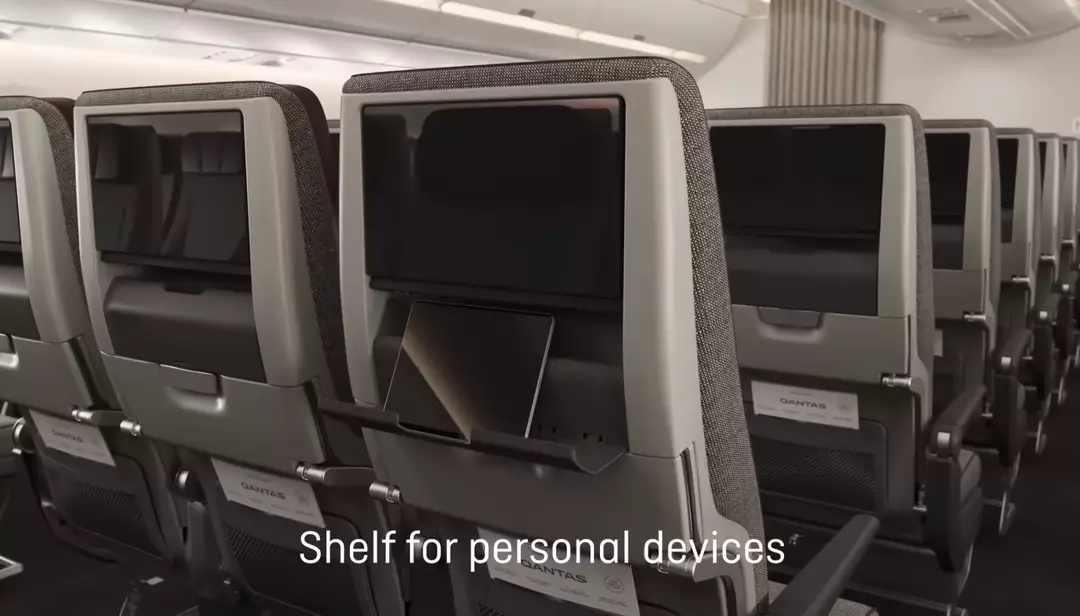
Located beneath the 13.3-inch in-flight entertainment screen found on long-haul aircraft, and above the tray table, the shelf provides a more comfortable viewing angle for passengers who want to watch downloaded movies or shows instead of relying on the airline’s built-in library.
Even if most travellers never set foot in the premium cabins, there’s still plenty of curiosity about what’s being offered at the pointier end of the plane.
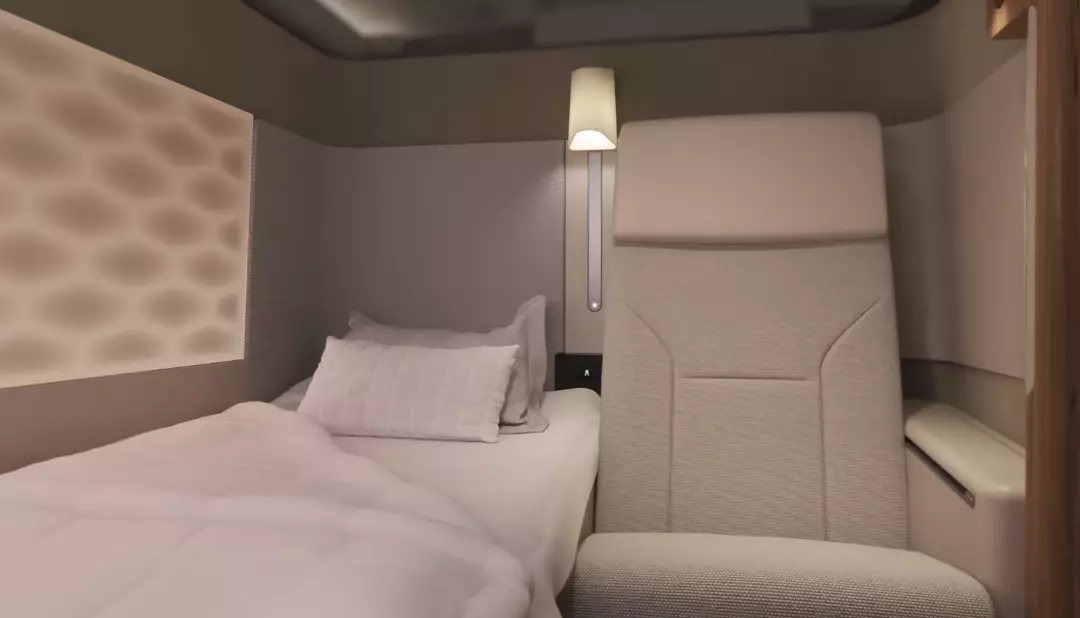
In First Class, passengers will get enclosed private suites described as featuring “luxurious finishes,” along with a separate recliner-style armchair and six storage compartments for personal items.
There’s also a dedicated bed space, allowing travellers to lie down without the usual seat-to-bed conversion.
Business Class may be a step down from that top tier, but it still includes an individual suite with a sliding door for added privacy.
Passengers also get multiple storage areas, a side table, plus a larger surface for working or dining.
In this cabin, seats convert into fully flat beds — a major benefit when you’re cruising at 40,000 feet.
Another standout detail is a dedicated premium refreshment station that Business Class travellers can visit whenever they choose.