

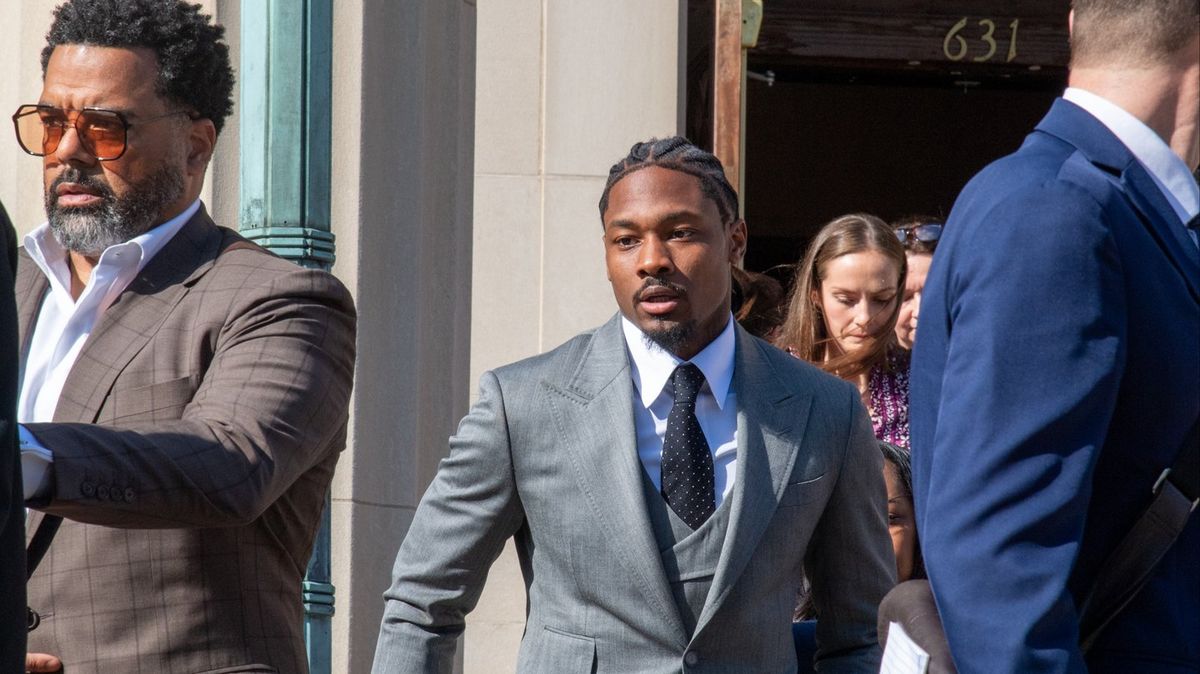
The woman who accused Stefon Diggs of assault and strangulation was cautioned by the judge before he was ultimately found not guilty.
The New England Patriots player faced charges last year of felony strangulation or suffocation, along with a misdemeanour count of assault and battery. The allegations were made by personal chef Mila Adams, who was living at Diggs’ home at the time.
Court filings were submitted in December 2025, tied to an alleged incident said to have occurred on December 2. Adams claimed Diggs slapped her and choked her during an argument.
Diggs’ attorney David Meier denied the accusation in a statement given to the outlet at the time.
He stated: “Stefon Diggs categorically denies these allegations. They are unsubstantiated, uncorroborated, and were never investigated – because they did not occur.
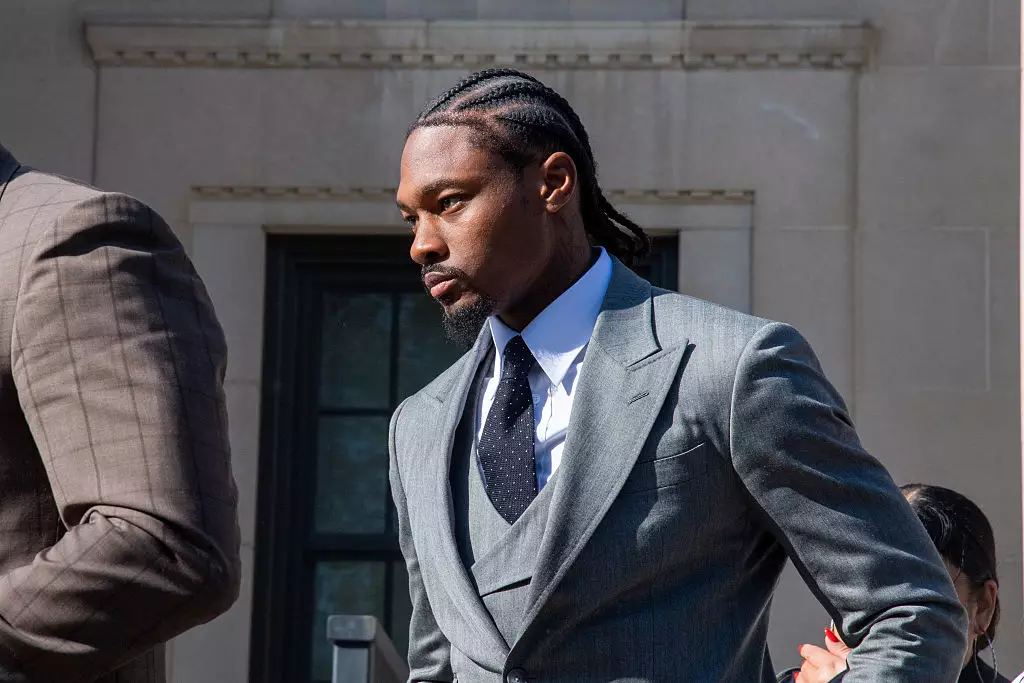
“The timing and motivation for making the allegations is crystal clear: they are the direct result of an employee-employer financial dispute that was not resolved to the employee’s satisfaction. Stefon looks forward to establishing the truth in a court of law.”
Adams previously alleged the dispute stemmed from unpaid wages, saying Diggs became upset, struck her in the face, attempted to choke her with the crook of his elbow, and then threw her onto a bed.
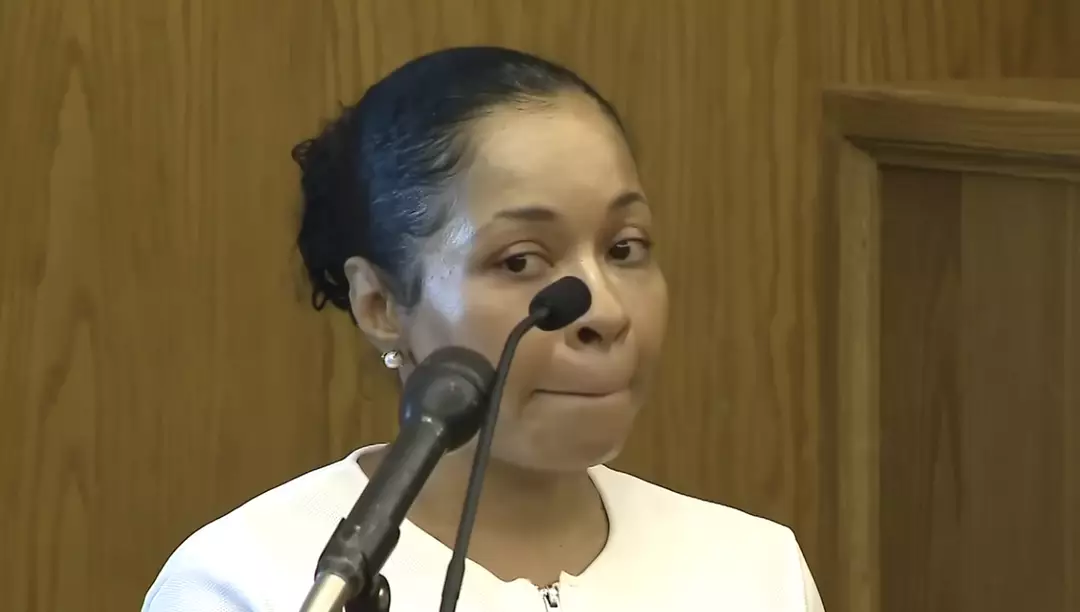
When the trial began this week, Judge Jeanmarie Carroll addressed Adams in court and stressed that she needed to respond directly to the questions asked.
“You’re responsible for answering questions that are put to you,” Judge Carroll said.
“If you don’t understand the question, you can say that. And I’m sure counsel will rephrase it. If you can’t hear a question, tell them that as well.
“But courtrooms function in, and especially trials unfold, in a question and answer format.
Judge tells Stefon Diggs’ accuser that if she continues to insert her own narrative instead of answering yes or no questions, her entire testimony will be stricken. pic.twitter.com/3y490oCO8i
— FearBuck (@FearedBuck) May 5, 2026
“This is not an opportunity for you to interject your own narrative and evade responding to questions the court deems appropriate. And if you continue to do so, your entire testimony may be stricken. Am I clear?”
Had Adams’ testimony been removed from the record, the prosecution would not have been able to proceed with the case.
Diggs was later found not guilty on the trial’s second day. Attorneys pointed to testimony from people working for Diggs who said Adams did not appear to be injured following the incident she described.
After the verdict, Diggs’ lawyer Mitch Schuster told US reporters the defence wanted the evidence examined in court.
He said: ‘we were eager for the facts to come to light through the legal process’.
Schuster also added: “Professional athletes have a target on their back. When someone sees a uniform and a contract, they see leverage; they see a settlement.”
He further argued the matter ‘represents exactly the kind of opportunistic targeting that players can face the moment they step off the field.’