

The world of plastic surgery can be high-stakes, with surgeons frequently facing intense demands from patients chasing a specific “ideal” look.
Many people pursue cosmetic procedures to feel more confident, to address visible signs of aging, to change features they’ve long been self-conscious about, or to rebuild areas affected by injury, illness, or major weight loss.
While plenty of operations are straightforward and commonly requested, others are more controversial and can leave outsiders wondering why anyone would choose them at all.
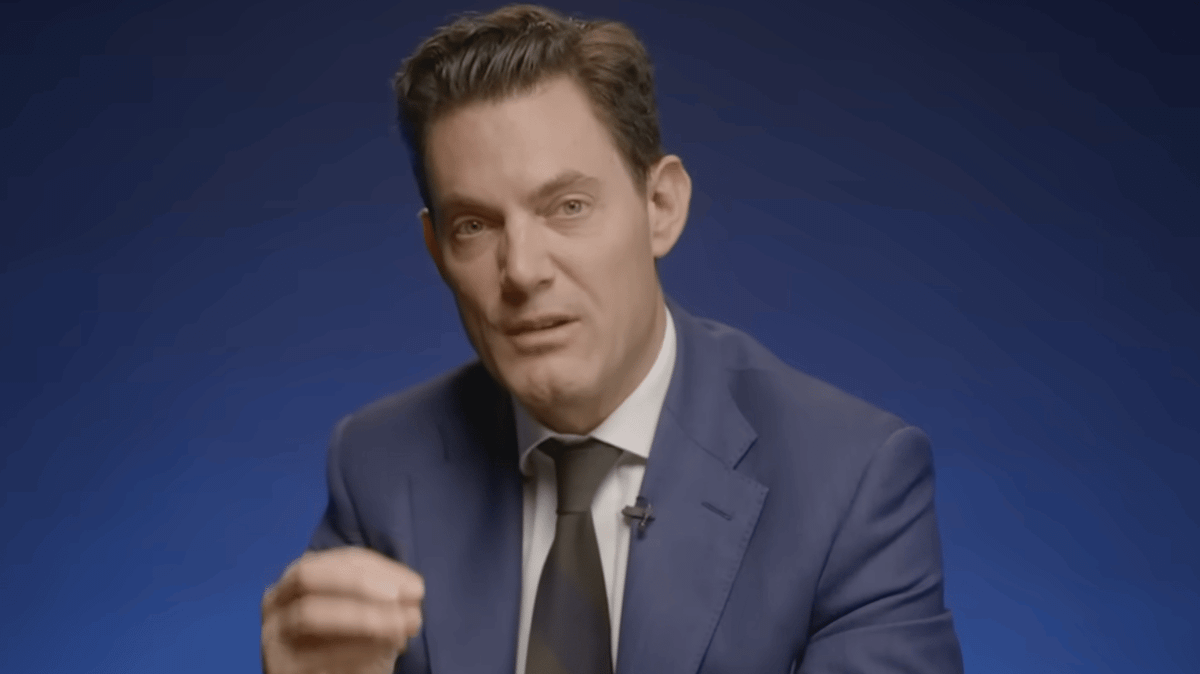
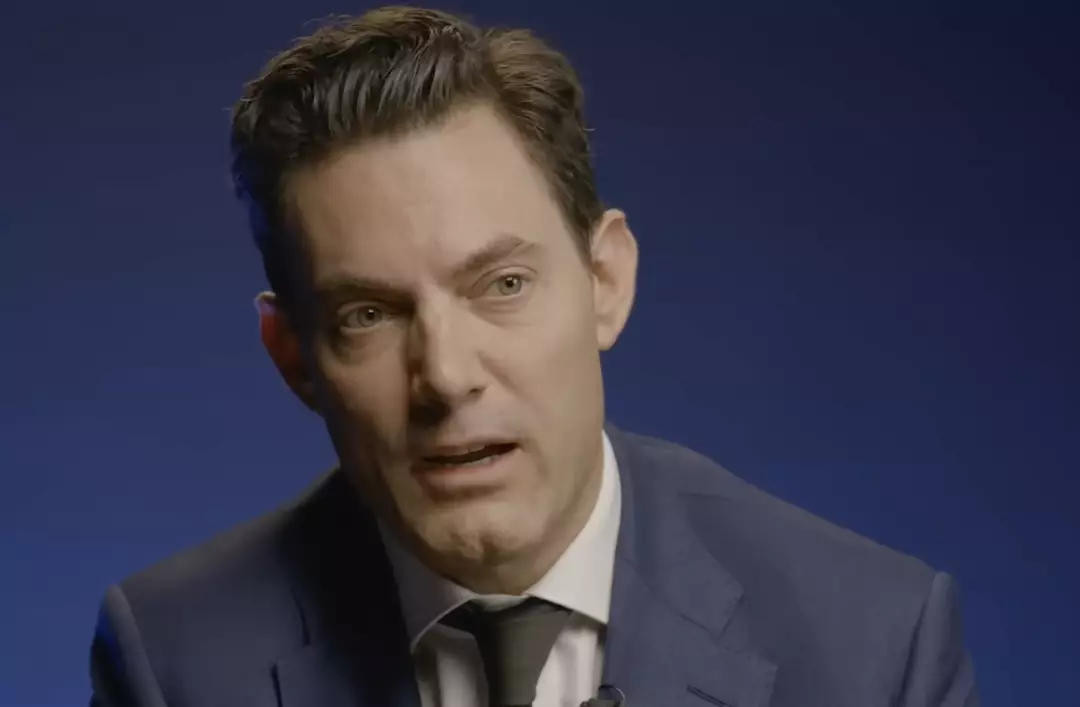
One surgeon who has seen the full spectrum is UK-based plastic surgeon Dr. Dan Marsh, who specialises in body-altering procedures.
Over his career, he’s carried out an enormous range of operations—including one particularly unusual case where he reportedly grafted a new nipple using tissue from a patient’s scrotum.
In an interview, Dr Marsh spoke about the procedures he least enjoys performing—some because of the medical risks involved, and others because he dislikes the end result.
Dr Marsh singled out one category of work he wishes people would avoid: operations intended to dramatically shift someone’s appearance into something he considers unnatural or anatomically extreme.
He said: “There are surgeons around the world who do things like the fantasy nose or they change people to things which are not anatomically possible.
“You can lift the corner of the eye and have like a sort of cat eye appearance.”
According to him, altering structures such as the nose too aggressively can create real functional problems, not just cosmetic ones.
“There’s a reason your nose is designed as it is, you know, if you make it very, very small, you reduce the airways.
“I’ve seen patients who’ve had surgery, have this fantasy nose and they’re just unable to breathe afterwards ’cause the nose is so small.”
He also argued that human anatomy has developed the way it has for practical reasons, and that pushing too far away from those limits can backfire.
“I think if you’re deviating from that significantly, then you, you know, you’re gonna get into trouble.”
Another procedure he’s wary of is one that surged in popularity through celebrity culture: the BBL, or Brazilian butt lift.
A BBL involves taking fat from one part of the body—often the stomach, hips, or thighs—via liposuction, then injecting it into the buttocks to increase volume and improve shape.
Supporters often describe it as producing a more “natural” result than implants because it uses the patient’s own tissue.
But Dr Marsh warned that the surgery carries serious risks, particularly when large volumes of fat are transferred.
He said: “The reason it’s so dangerous is because you’re injecting high volumes of fat. Now that’s fine if it’s done under the skin and in the volumes where it’s not too in, when they’re not too high volumes, so if you’re looking at, probably less than a litre or something, but people who are putting two litres plus into the buttocks.”
He explained that in worst-case scenarios, fat can enter the bloodstream and travel through veins until it reaches the lungs.
“Patients would die because of the fat going from the vein up into the lungs.”
Although newer approaches—such as using ultrasound guidance—have been introduced to improve safety, Dr Marsh maintains that the operation can still be extremely risky, especially when patients push for exaggerated results.