


Warning: This article includes references to trauma and PTSD that some readers may find upsetting.
A woman living with dissociative identity disorder (DID) has spoken about how “jarring” and “confusing” it can feel when she switches between the different alters in her system.
Bo Hooper was diagnosed with DID at 19. Alongside PTSD, she experiences flashbacks and memory gaps, and lives with a wide range of alters — including a six-year-old who “loves Easter” and a 19-year-old described as the “embodiment of confidence”.
The Cleveland Clinic explains DID as a mental health condition “where you have two or more separate personalities that control your behavior at different times”. When those identities take over, it can create missing time and blank spaces in memory.
Bo has said her diagnosis followed a period of noticing multiple symptoms she believes were linked to earlier trauma. After talking with her mother and seeing a psychiatrist, she was diagnosed in 2017.
She later discussed her experience publicly in an episode of the outlet Stories’ Honesty Box series, sharing what switching feels like for her, describing a persecutor alter, and addressing common myths she says often surround the condition.
Describing the sensation of switching, Bo said: “So for me it is kind of like falling asleep. Like, loss of consciousness, like, if you fainted as well. It’s kind of like that. But instead of me face-planting a table, I get up and walk away and do something else instead.
“It’s always really confusing. It’s always really jarring to come back, especially if they have done anything like, undressed or done any makeup or anything like that.
“It’s jarring to come back and suddenly you’re wearing something else. It’s something you kind of slowly get used to. You start to slowly recognise the signs of it.”
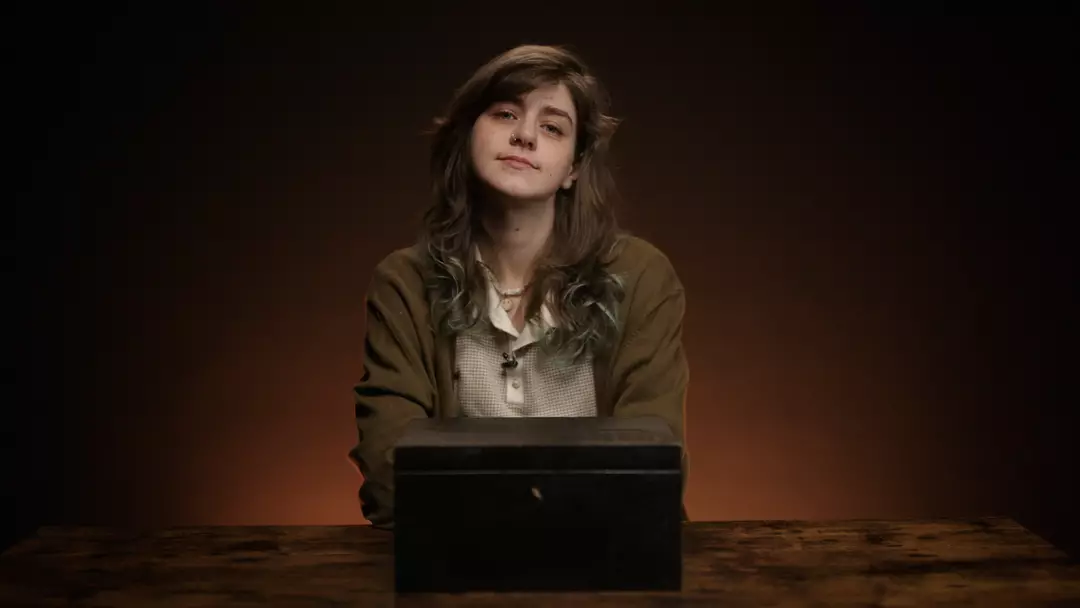
When talking about the size and variety of her system, Bo added: “So for me, I have around 25 to 30-ish. We’re not 100 percent sure. It’s the sort of thing that needs to be figured out fully in therapy. They range in ages, in sexualities, in genders.”
Bo said one of the alters who shares her body is Layla, who is six years old.
“She’s always six. She has a birthday, but she will always be six. She loves Easter and everything innocent, and it’s just the kind of embodiment of childhood.
“Whereas we also have a 19-year-old called Tracy, who is the embodiment of confidence, and she is more to have a good time and more to let loose and have fun and to socialise, ’cause I’m quite shy so I won’t often socialise. So a lot of them have very specific roles and jobs that they fulfil.”
She explained that switching frequency can vary significantly. Depending on what’s happening in her life or the environment she’s in, she might switch as many as 10 times in a single day — but she can also go months without a switch.
Bo noted that switching is not typically dangerous for her, but said there is a persecutor alter who has previously attempted to harm her.
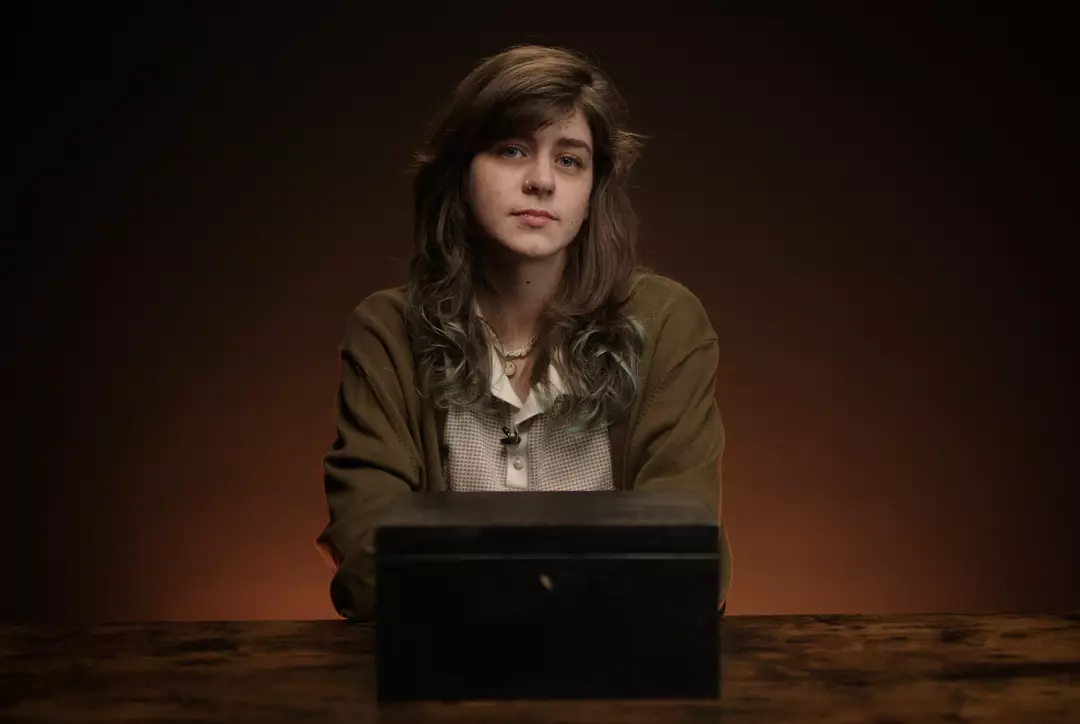
Explaining more about that alter, Bo said: “She does it out of fear and out of like, internal pain or trauma. When I was a teenager, a lot she would try and jump off a bridge.
“But my friends would always grab me and say that she would try and desperately claw herself off of the bridge and like, climb over the bannister and try and jump into traffic, essentially.
“She’s very uncomfortable in the fact that she shares a body with me, so she doesn’t like me.
“And when we were a dramatic teenager she took that out on me. Whereas now that we’re older, she has a lot more chill and she can actually step back and not do that.”
Bo also said she wants to challenge misinformation about DID, noting two assumptions she finds especially worrying.
Watch Bo’s full interview below:
“The biggest one I think is that we’re killers. That we’re gonna hurt you. That we’re axe-wielding murderers. But then lately my biggest pet peeve is that we’re all copying TikTok,” she said.
“That we are all 14 and just doing it for attention. I was diagnosed before TikTok existed. No, I’m not doing this for TikTok. I see it in every space. I see it with disabilities.
“I see it with neurological conditions like Tourette’s or neurodivergences, like OCD and autism and things. It’s like, people aren’t faking them, they’re trying to find answers.”
If you or someone you know is struggling or in crisis, help is available through Mental Health America. Call or text 988 to reach a 24-hour crisis center or you can webchat at 988lifeline.org. You can also reach the Crisis Text Line by texting MHA to 741741.