


You might want to reconsider how you sit, after an expert warned about the potential impact of sitting with your legs crossed.
Health advice seems to cover just about everything these days — including posture. And if you’ve ever wondered whether the way you sit matters, one specialist says it can.
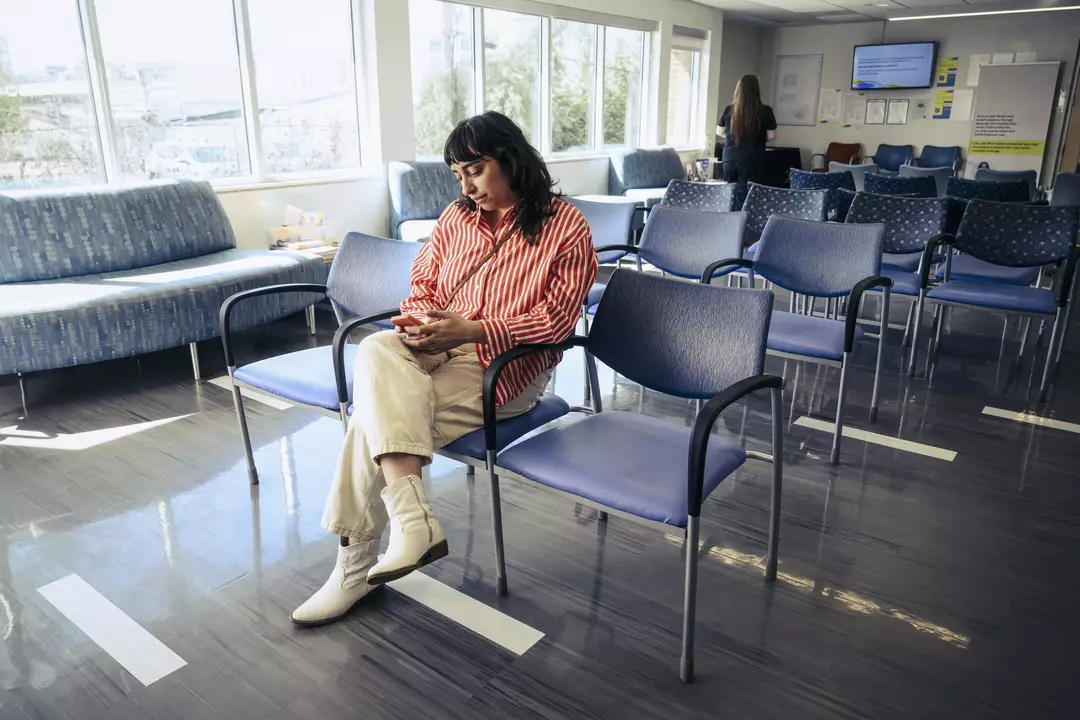
For many people spending long hours at a desk, crossing one leg over the other becomes second nature while working in an office chair.
It’s also a posture lots of women have been encouraged to adopt for years because it’s often described as more “ladylike”. But that habit may not be doing the body any favours.
Osteopath Anisha Joshi said that sitting this way can affect your hips, alongside other areas of the body.
“Sitting cross-legged on a chair rotates one hip while the other stays relatively neutral, which means one side of your pelvis, hip, and lower back is working differently to the other,” she told the publication.
In the short term, it might not cause any noticeable issues. Over time, though, that uneven positioning could lead to imbalances.
“It may contribute to tightness in the hip rotators and uneven load through the lower spine,” the expert told the publication. Plus, the standard discomfort.
She also noted another possible effect: a temporary rise in blood pressure — something that has been observed in research.
Healthline points to a study published in the Journal of Clinical NursingTrusted Source which found a significant increase in blood pressure when participants crossed their legs at the knee level.
One explanation is that the top leg can compress veins in the leg underneath, affecting blood flow and, in turn, the reading.
It’s also why people are typically instructed to keep both feet flat on the floor during a blood pressure check.
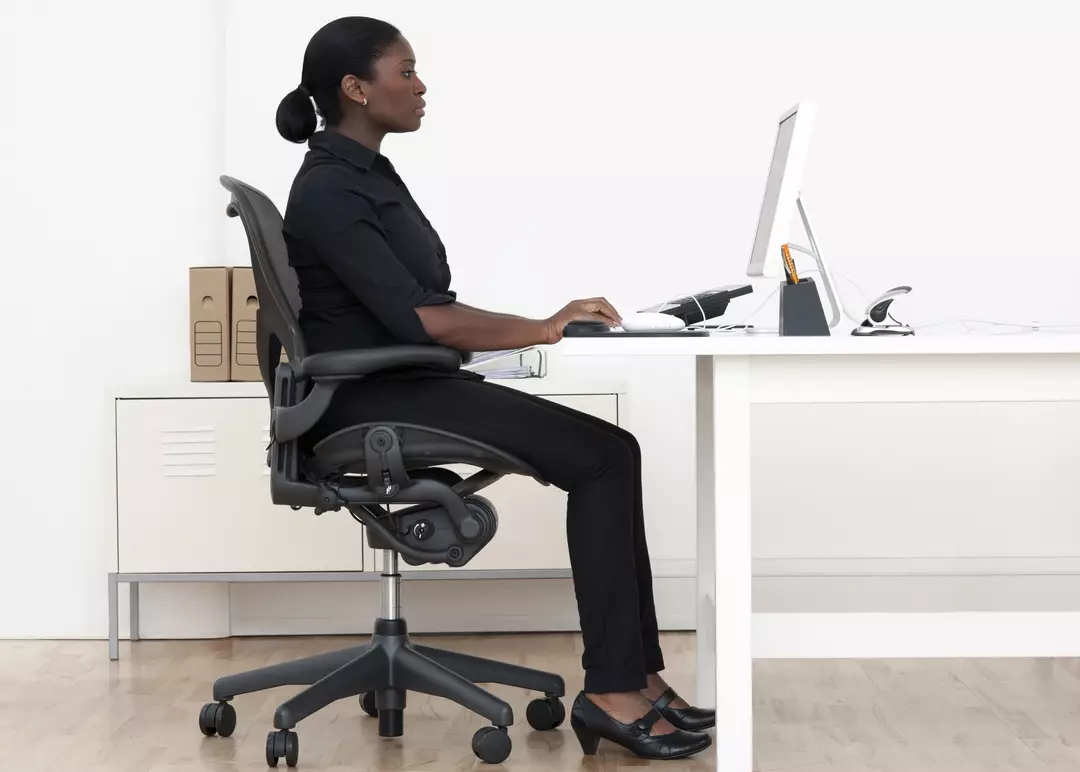
Joshi said that keeping both feet on the ground — with your knees level with your hips — is a strong starting point for a healthier sitting position.
She also highlighted the value of having proper support for your lower back.
Still, she argues there’s an even bigger factor than posture details: moving regularly.
Even if you’re stuck at a desk for most of the day, it helps to stand up frequently and take a brief walk — whether that’s around your office, your home, or just a quick loop nearby. She adds that even standing every 30 to 40 minutes can make a difference.
Ultimately, issues tend to develop from a combination of awkward positions and staying still for too long.
Maybe it’s time to get up and stretch your legs.