

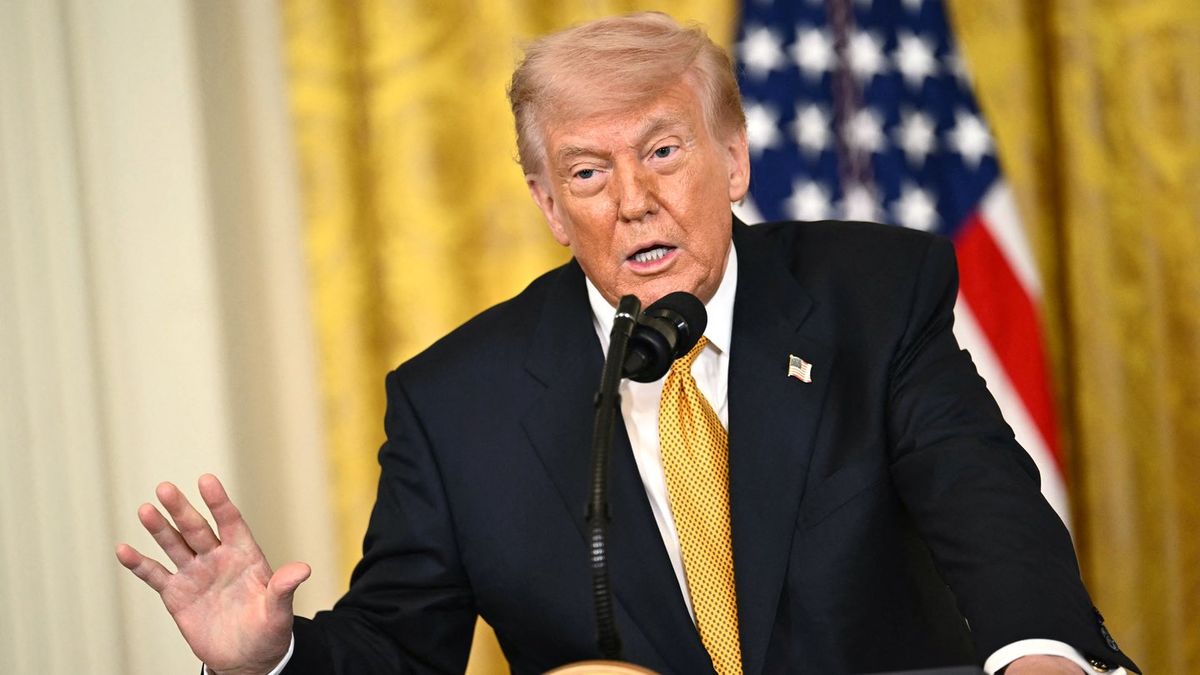
Donald Trump has spoken out as worries grow about hantavirus reaching the US after health officials warned the country may not be ready for an outbreak.
Fresh concern has been sparked by an outbreak linked to a Dutch cruise ship, where three deaths have been reported so far. The situation has prompted renewed discussion about whether another global health emergency could emerge.
Despite the anxiety, the World Health Organization has stressed that this virus is not on the same trajectory as Covid-19.
WHO epidemic expert Maria Van Kerkhove said, per Sky News:
“This is not the next Covid, but it is a serious infectious disease. Most people will never be exposed to this.”
Health officials believe the strain involved on the ship may be the Andes virus, a type of hantavirus associated with a high fatality rate that can be as high as 40 percent in some reports.
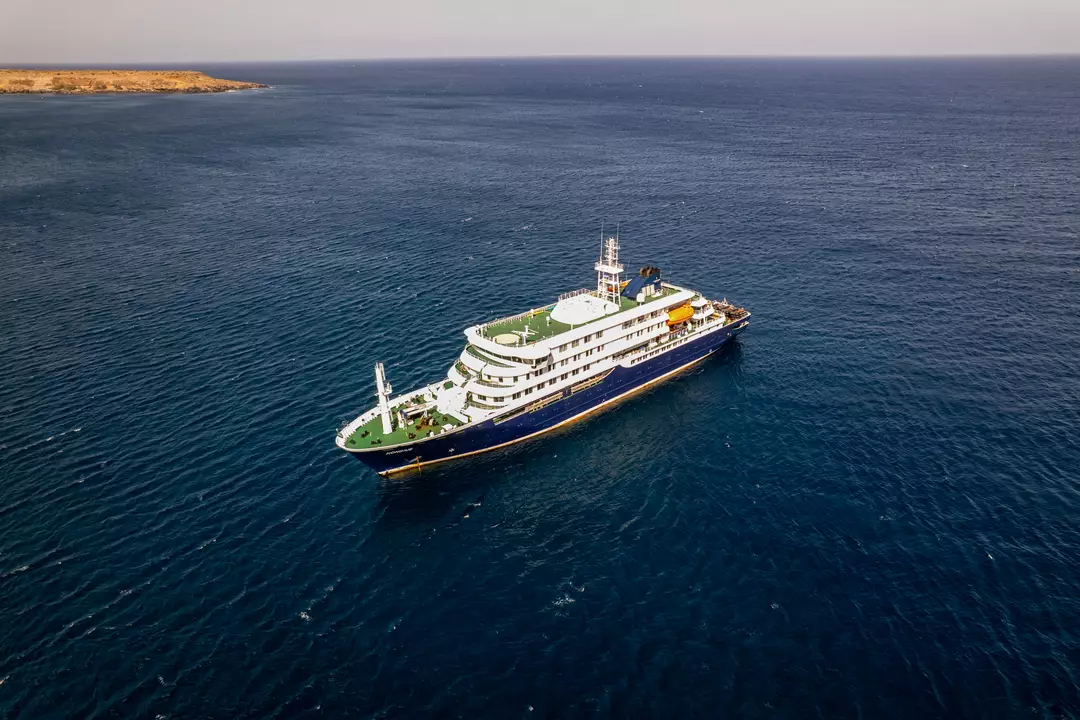
Van Kerkhove also downplayed the likelihood of the incident escalating beyond the ship.
Elsewhere she affirmed:
“This is an outbreak on a ship and we do not anticipate a large epidemic.”
Even with that reassurance, nerves have remained high, and President Trump faced questions from reporters about the situation.
Speaking on the outbreak, he said, per Fox News:
“It’s very much, we hope, under control,”
Continuing, Trump added:
“There was the ship and I think we’re going to make a full report on it tomorrow. We have a lot of great people studying it.”
He then said:
“It should be fine – we hope.”
Asked again about the possibility of spread in and around the US, Trump said the administration would do what it can to prevent that from happening.
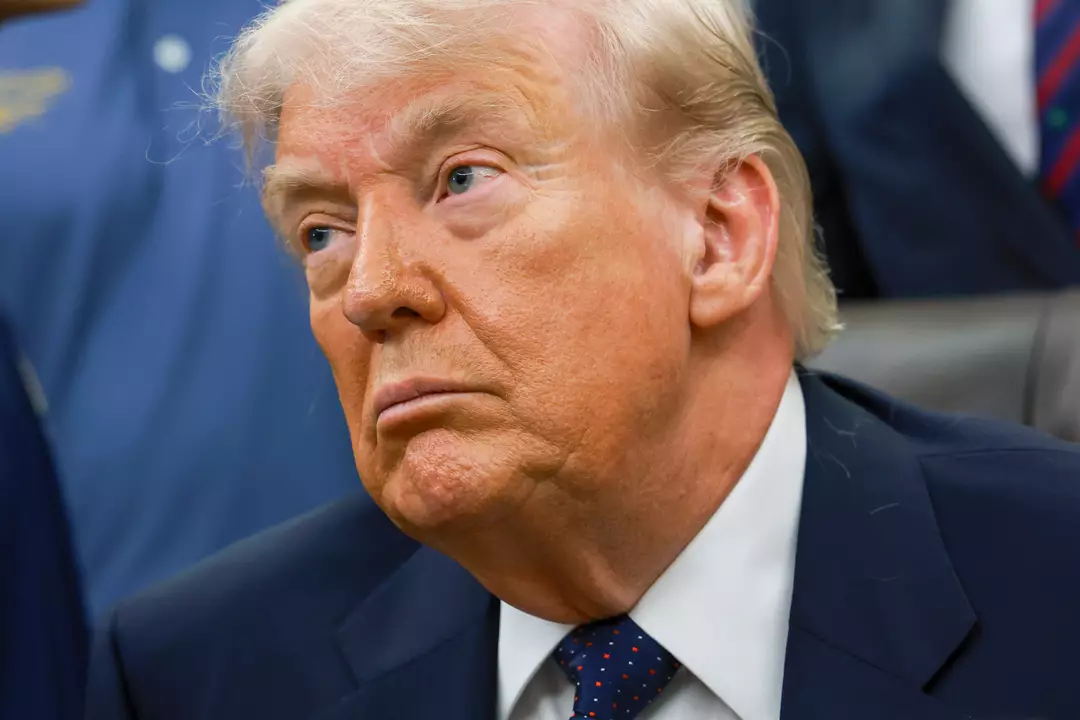
While many experts believe a wide-scale pandemic is unlikely, some have warned the US could still struggle if cases surged. Dr. Jeanne Marrazzo, CEO of the Infectious Diseases Society of America, has said the country is “not prepared” for a hantavirus outbreak, citing the impact of funding and staffing reductions.
Speaking to the outlet, she said:
“All of these things are really have profound, ripple effects,”
Marrazzo added:
“This is a situation where you really are seeing crystalized the need for bio-preparedness.”
The WHO has also shared prevention guidance aimed at reducing the risk of hantavirus infection.
It says that people should be:
- Avoiding contact with rodents and their droppings, and keeping food stored securely.
- Sealing gaps and entry points in homes or cabins to prevent rodents getting inside.
- Using protective measures when cleaning areas where rodents may have been (for example, ventilating spaces and avoiding sweeping/vacuuming dry droppings that can aerosolize particles).
- Seeking medical advice promptly after potential exposure, especially if fever or breathing symptoms develop.
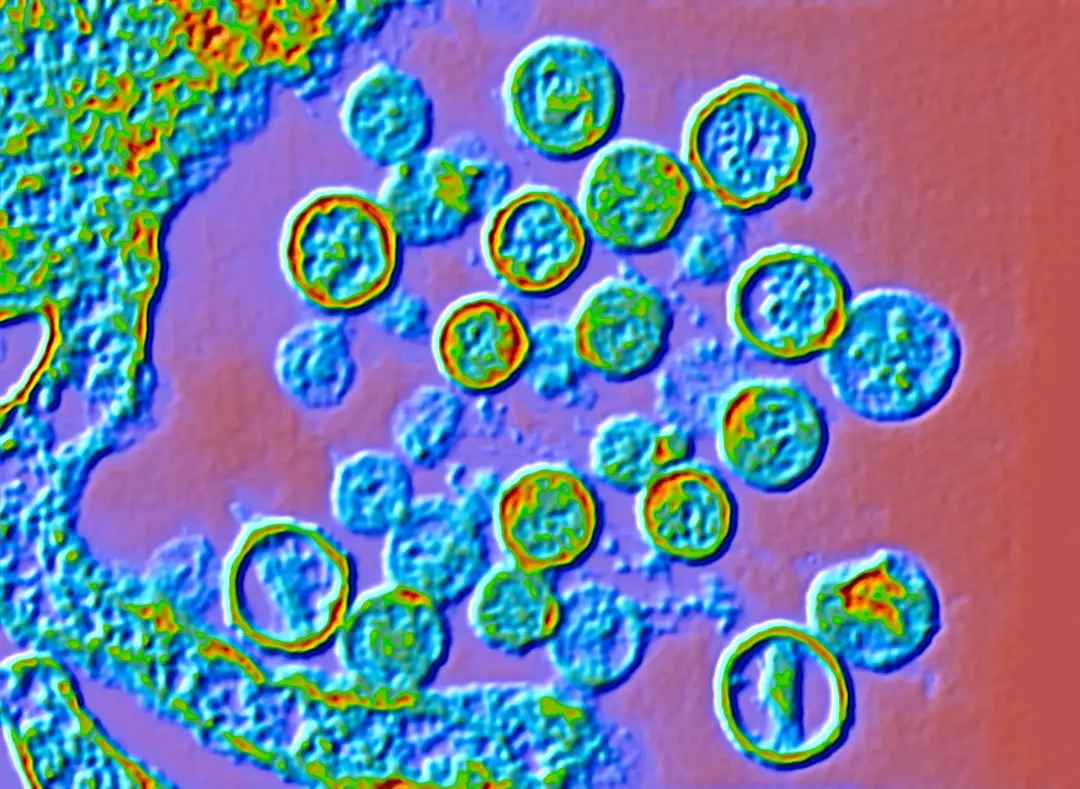
The Andes strain is considered rare. Microbiologist Dr Gustavo Palacios said there have only ever been 3,000 known cases.
It is also the only hantavirus documented to spread from person to person. Research has suggested patients may be most infectious around the time they develop a fever, and that transmission can occur even with brief close contact.
Andes virus (ANDV) is mainly seen in South America and has been associated with a fatality rate estimated at roughly 20 to 40 percent. It can cause hantavirus pulmonary syndrome (HPS), a severe illness that affects the lungs.
Symptoms can begin one to eight weeks after infection. Early warning signs can include:
- Fever
- Fatigue
- Muscle aches
- Headache or dizziness
- Nausea, vomiting, or abdominal pain
Later symptoms include:
- Cough
- Shortness of breath
- Chest tightness
- Rapidly worsening breathing problems as fluid builds in the lungs