

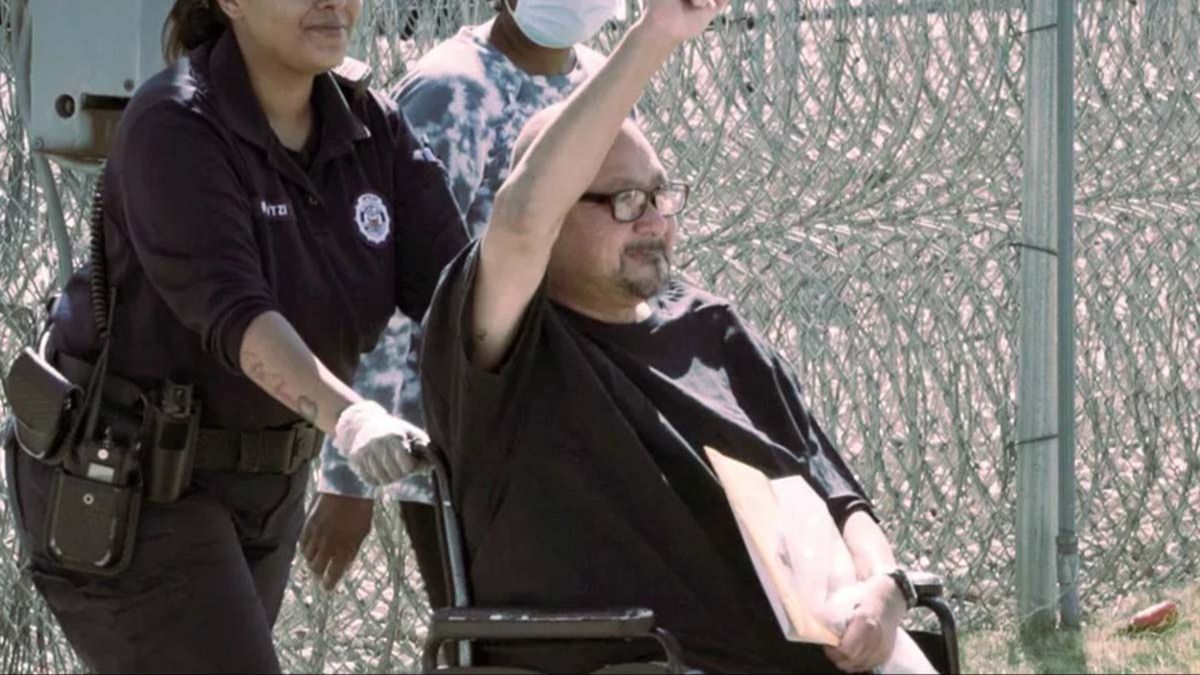
A man who lost nearly three decades of his life to a wrongful conviction has spoken about what it’s like to return to a society that has dramatically changed since he was last free.
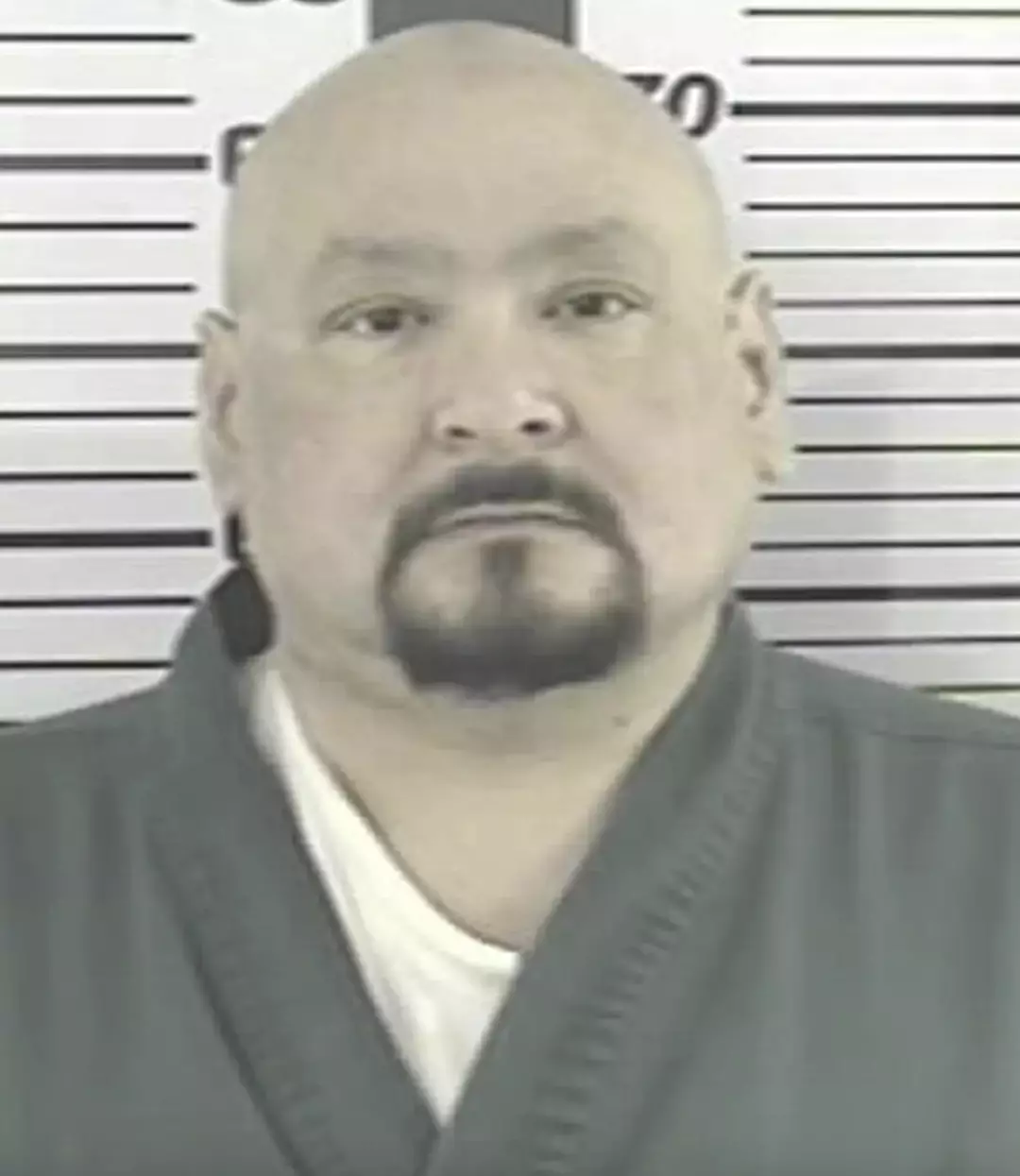
Stephen Martinez was convicted in 2000 in connection with the death of baby Heather Mares. Reports say Martinez was the one who called emergency services after finding Heather in distress in her crib.
Martinez told police at the time that he had shaken the baby and that she struck her head on the cot. He maintained the incident was accidental, but he remained incarcerated for close to 30 years before a court overturned his conviction.
That reversal followed new evidence indicating Heather’s death was actually caused by complications from pneumonia.
Looking back on the night in question, Martinez told Denver7: “I was sitting there eating, and I heard Heather, she started, like, gasping, choking, even. So I put my plate aside and I went in there and just… She was in distress, that’s for sure.
“I did a finger sweep, because I thought maybe she grabbed a little toy or something. I picked her up, and I’ll just pat her on the back. And then she threw up on me, but it looked like blood and baby formula.”
On the day the conviction was thrown out, Denver District Attorney John Walsh credited the medical findings presented to his office, writing: “The Korey Wise Innocence Project presented my office with multiple credible medical experts who challenged the initial determination that Heather’s death was caused by physical abuse.”
Martinez described the moment he was able to walk away from prison as overwhelming and deeply emotional. Speaking to PEOPLE, he said: “This feels wonderful, amazing, just an incredible feeling to be able to leave all that steel, concrete, razor wire behind and be made righteous and come back into society with a new beginning, a new start.
“… I devoted a lot of time to studying and reading, and you know getting a take on human nature, because I’d like to be able to take some online courses or maybe go to community college and become a counselor, maybe a mental health person, myself.
“I hope with what I learned now that I’m out here, I’ll be able to be an advocate for people who are innocent.”
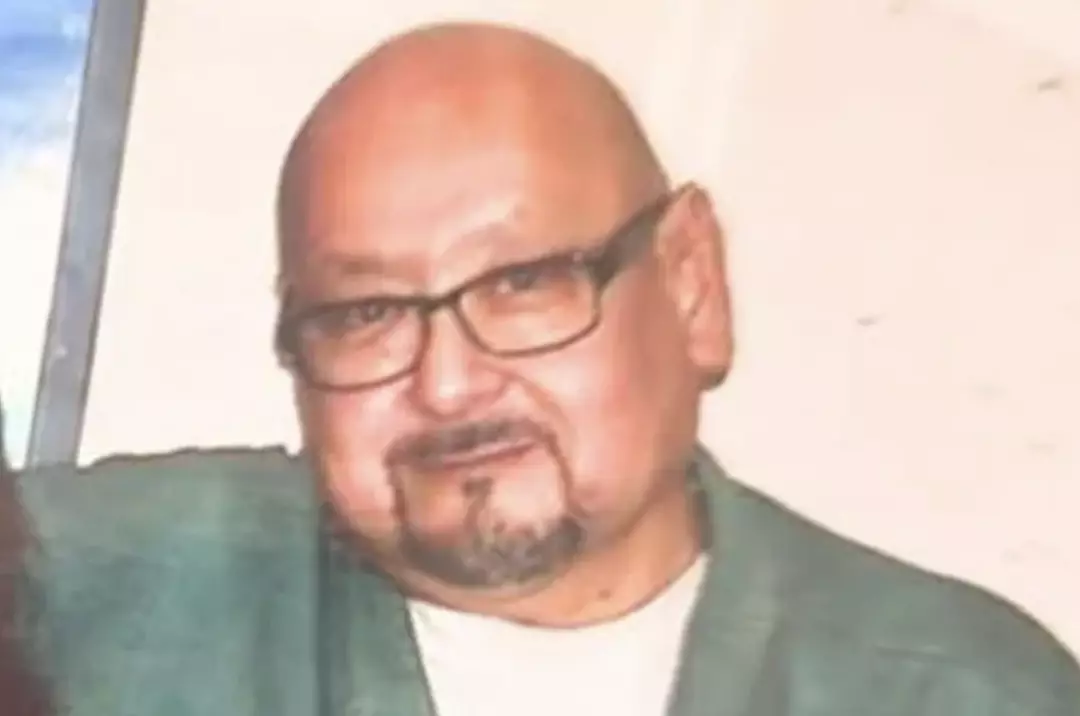
Beyond adjusting emotionally, Martinez is also adapting to a world transformed by technology and daily conveniences that didn’t exist when he entered prison.
He said he’s approaching the learning curve patiently, focusing on progress instead of trying to master everything at once.
“It’s been challenging, and fun, and sometimes frustrating, but it’s been an overall joy being able to get out into this whole new world that changed and left me behind, and get to use new technology,” he said.
“Like I’m really having a lot of fun with the smartphone, but I’m learning quickly. But just, you know, taking it one day at a time, just enjoying learning it all and taking it all in.”