

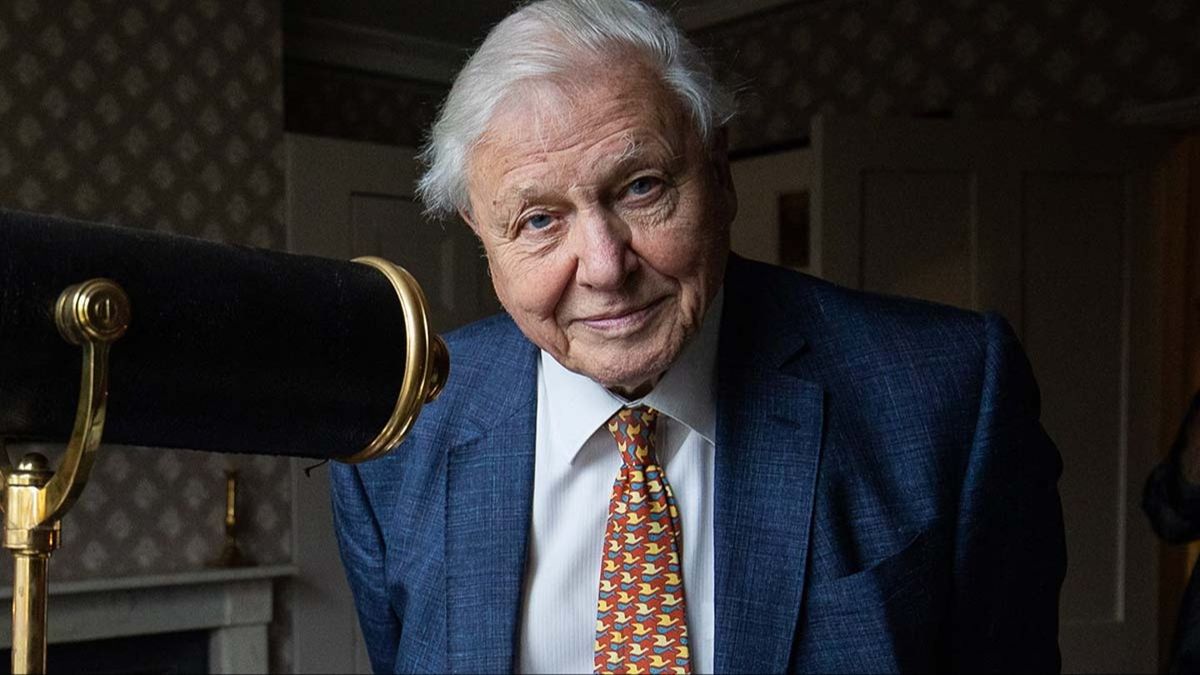
After spending more than seven decades showing the world how remarkable life on Earth can be, the celebrated broadcaster has marked a major personal milestone that mirrors his message.
Sir David Attenborough turns 100 today, and the iconic natural history voice remains as active as ever — still working, still captivating audiences, and seemingly enjoying robust health.
It’s prompted the same question from admirers and health experts alike: what’s been the key to his longevity?
Attenborough has spoken about it openly, and the answer isn’t a pricey wellness trend or an intense workout plan. Instead, it comes down to a straightforward change he’s made over time.
So what has he largely left behind? The Blue Planet narrator rarely eats red meat these days, and says he has shifted toward a more vegetarian way of eating as he’s got older.
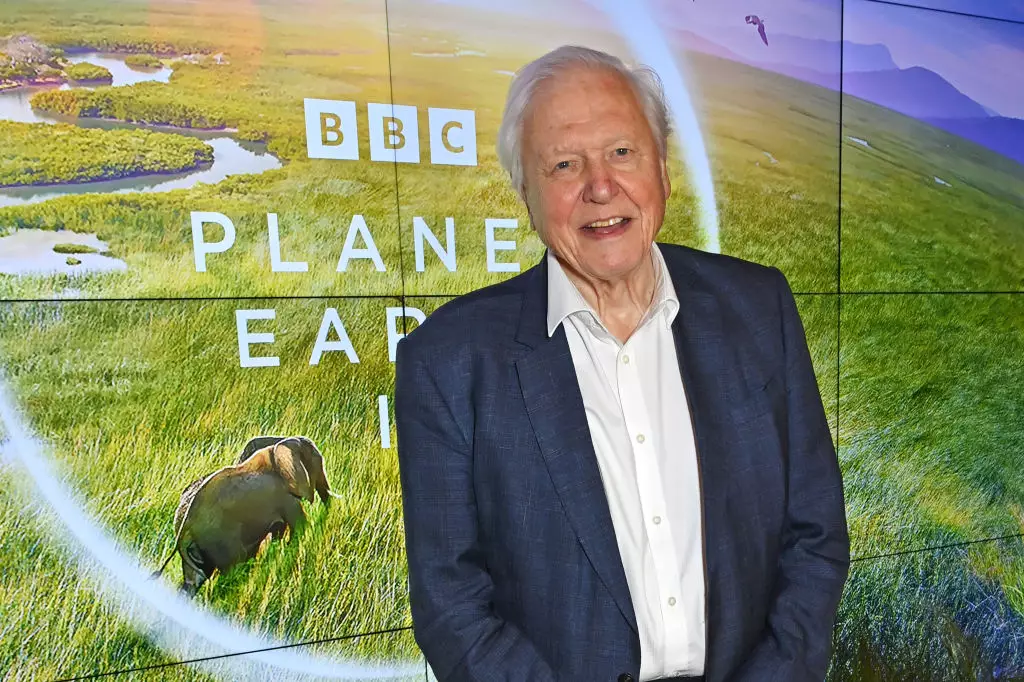
Speaking to The Times in 2020, Attenborough said: “I have certainly changed my diet. Not in a great sort of dramatic way.”
He added: “I don’t eat meat. That’s not entirely true, I eat fish.
“It wasn’t a great sort of decision and I can’t pretend that it was motivated by any ecological conscience, but I now avoid red flesh.”
He went on to explain that while he hasn’t gone fully vegetarian, he has become “much more vegetarian” than he ever expected.
Cheese and fish are still on the menu, but beef and pork have largely been dropped.
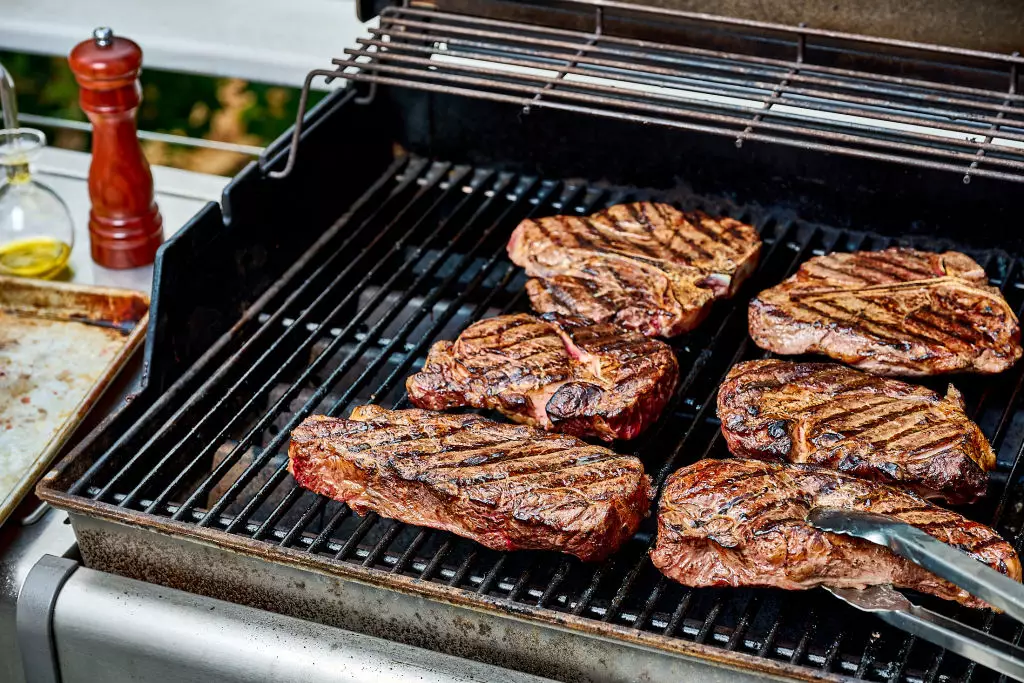
And medical guidance tends to support a reduced-red-meat approach.
Cindy Hwang from MD Anderson recommends eating no more than 18 ounces of cooked red meat per week: “based on evidence and recommendations from organizations like the American Institute for Cancer Research.”
The concern isn’t limited to cancer alone. Research has associated higher intakes of red and processed meat with greater risk of long-term health problems, including bowel cancer, type 2 diabetes, and cardiovascular disease, as noted in The Journal of Nutrition.
Hwang also emphasised that the point is balance rather than panic — it’s about overall pattern and frequency.
“It’s not as if you have red meat once, your cancer risk skyrockets. It’s not correlated like that,” she said. “But the more red meat you eat, the higher the risk.”
She advised keeping portions sensible and choosing leaner options and gentler cooking methods: “stick to leaner cuts like pork tenderloin or beef flank, go for ground meat that’s 90% lean or higher, and cook at lower temperatures where you can, baking and broiling over open flame grilling.
When it comes to processed meats, however, she’s far less flexible. Bacon, sausages, salami and hot dogs have been linked with higher colorectal cancer risk, and she suggests limiting them or avoiding them where possible.
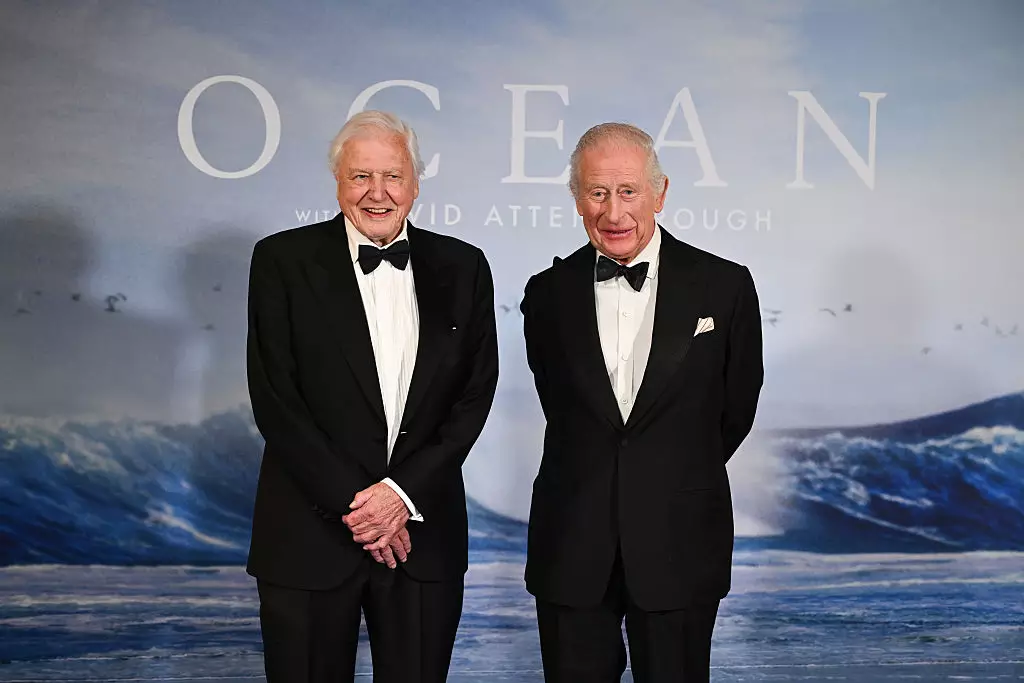
Although Attenborough has previously spoken to the Mirror about anxieties around ageing — including worries about becoming “helpless” due to conditions such as Alzheimer’s — he continues to show little sign of easing up, with his documentary Ocean released earlier this year.