

A healthcare professional has outlined how the viral trend known as “sleepmaxxing” may actually be backfiring, even though it’s intended to help people get the best possible rest.
Most people know what it feels like to run on too little sleep — especially anyone facing early alarms and long workdays.
That’s part of why “sleepmaxxing” has taken off online. The trend encourages people to focus not only on how many hours they’re sleeping, but also on improving sleep quality and building the “ideal” nighttime routine.
But trying to engineer a flawless night’s rest can come with unintended consequences. Dr Deborah Lee, a sleep expert from Dr Fox who has been working with Comfybedss, warned that the trend may be linked to a recognised sleep issue called orthosomnia.
“This is where people become so obsessed with sleep that it keeps them up at night, ironically,” she explained.
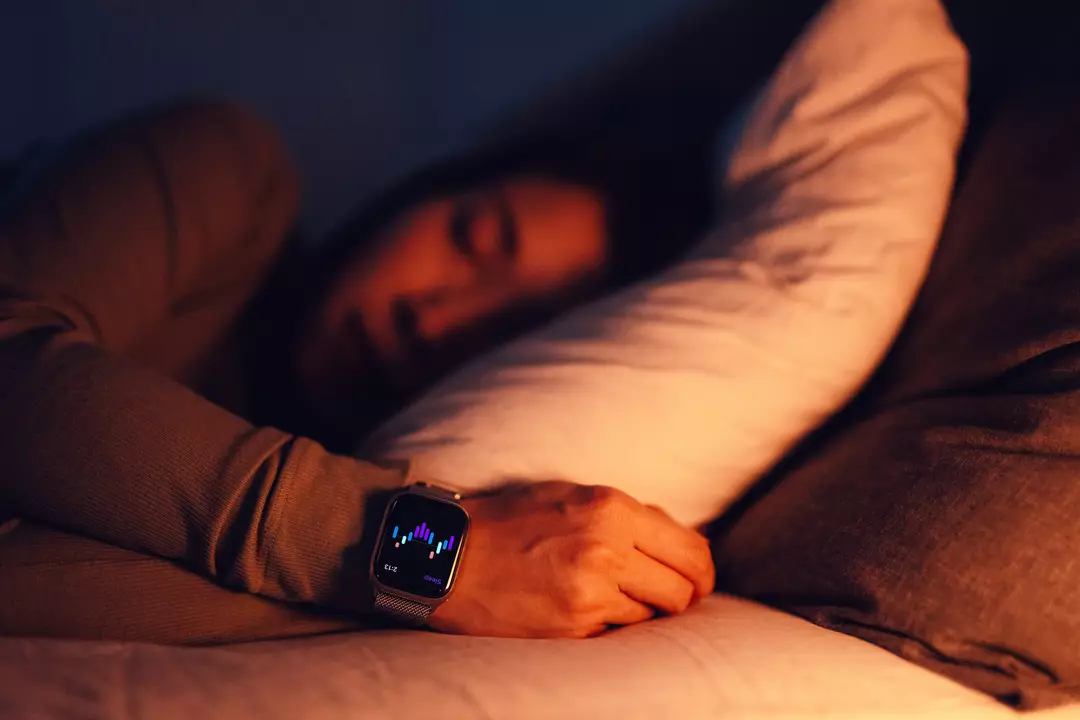
“This is typically driven by wearable trackers, such as Apple Trackers, where people are paying so much attention to every minute of sleep they get.
“The cruel irony of orthosomnia is that the harder you try to achieve perfect sleep, the further away it gets. Sleep is not a performance you can force. It requires a relaxed, non-vigilant state and if you’re going to bed anxious about whether you’ll hit eight hours of sleep, then you’ve already undermined the conditions you need to actually sleep well.”
The trend’s popularity has surged, with “sleepmaxxing” content generating more than 500 million views on TikTok. Dr Lee also explained why the idea resonates so strongly with Gen Z.
The health expert added: “Sleep is one of, if not the, most powerful tool we have for our physical and mental health. It’ll help with everything from immune function and weight regulation, to mood, which will affect day-to-day performance.
“When people see a trend that promises to improve sleep, it’s making a promise to improve all of the above, and therefore many people will naturally become curious.”
Elsewhere, sleep specialists have suggested that increased public attention on sleep isn’t necessarily a bad thing. Speaking to CNN last year, Dr Jag Sunderram, a professor of medicine at the Robert Wood Johnson Medical School at Rutgers University in New Brunswick, New Jersey, said this growing awareness can be positive.
“In the past, it was thought that sleep wasn’t important,” the doctor said. “I think the trend towards understanding that sleep is actually really important, the reason sleep is important and actually focusing on sleep is a good thing.”