

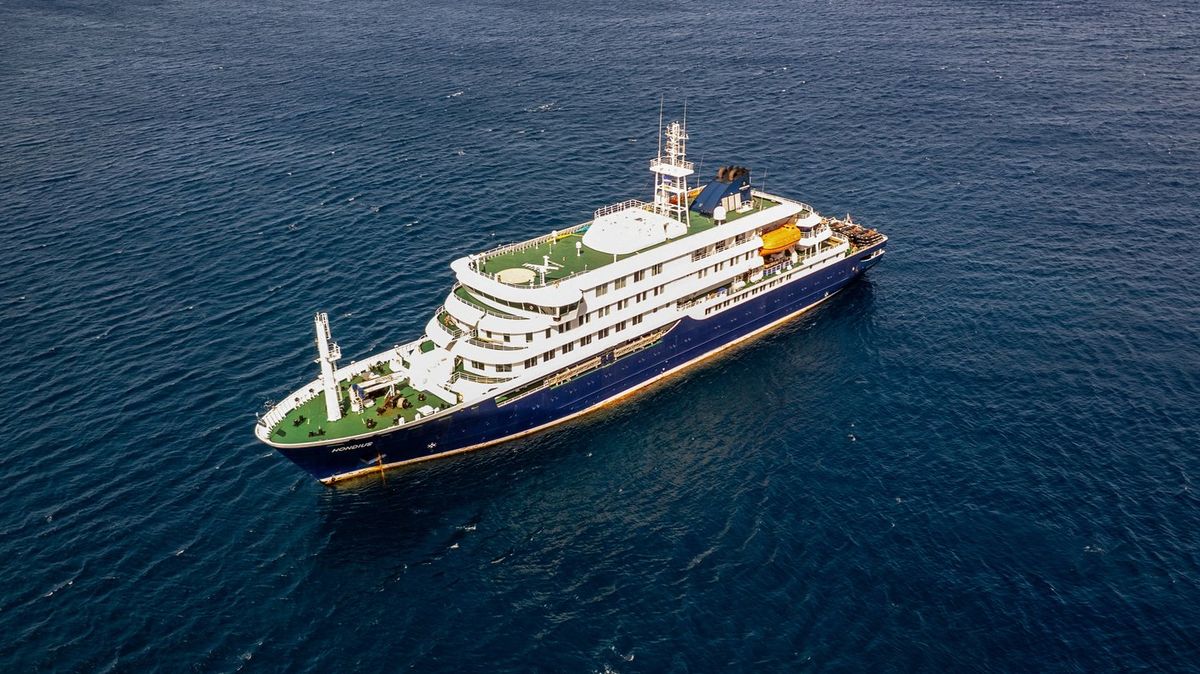
The first fatality linked to the hantavirus outbreak on board MV Hondius has now been named, as passengers begin leaving the vessel.
Three people have died after a hantavirus outbreak on the Dutch cruise ship, which departed from Argentina on April 1.
In addition to the deaths, a further five cases connected to the ship have been confirmed. Hantavirus is most often associated with rodents, but officials believe this particular strain — the Andes virus — may also spread through person-to-person transmission.
On May 10, the remaining passengers still on MV Hondius started being evacuated in Tenerife.
Spanish authorities are expected to carry out the evacuation based on passengers’ nationalities, with reports indicating there are 17 Americans on board.
After all passengers have disembarked, authorities anticipate multiple repatriation flights, including six to destinations within the European Union and four to non-EU locations.
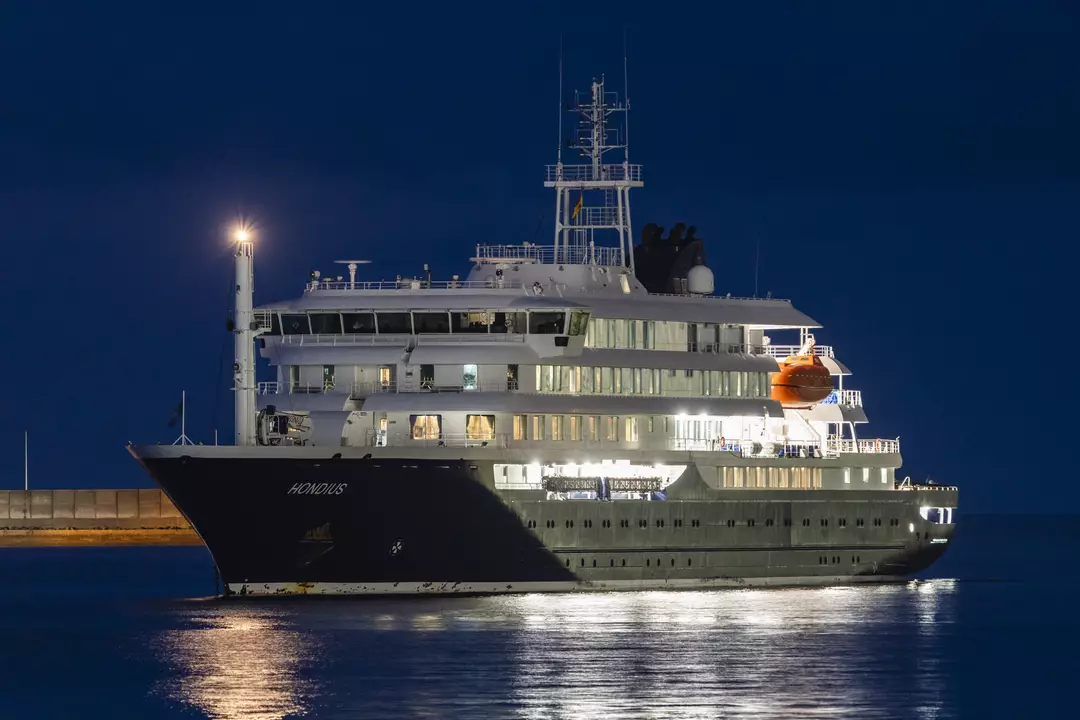
Passengers who test negative and show no symptoms are expected to be transported directly to chartered repatriation flights. Those aircraft will be staffed by medical personnel and stocked with protective equipment, including face masks.
As arrangements were made for passengers to leave the ship, the first person who died in the outbreak was identified as 70-year-old Dutch national Leo Schilperoord.
Schilperoord was an ornithologist who had been touring South America with his wife, Mirjam Schilperoord. Mirjam has also since died from the virus.

The couple were described as enthusiastic birdwatchers, and are reported to have visited a rat-infested landfill in Argentina in late March while trying to spot rare Patagonian bird species, including the White-bellied Seedsnipe.
The landfill, around four miles outside Ushuaia, is said to be a known destination for birdwatchers. However, photographer and local guide Gastón Bretti warned it is “a mountain of waste that today far exceeds the limit initially established by the authorities”, he told Ansa Latina.
Authorities suspect the site may be home to long-tailed pygmy rice rats, which are known carriers of the Andes strain of hantavirus. Investigators believe the Schilperoords may have inhaled contaminated particles from rat feces while there.
The couple boarded MV Hondius only days after the reported landfill visit.

The Andes strain is considered extremely rare. Microbiologist Dr Gustavo Palacios said there have been only around 3,000 known cases.
It is the only form of hantavirus documented to spread between people. One study suggested the period when a patient may be infectious can be roughly “a day” around the onset of fever, and also found transmission could occur even after only brief close contact.
Andes virus (ANDV) is largely confined to South America and has a high fatality rate, estimated at 20 to 40 percent. It can lead to hantavirus pulmonary syndrome (HPS), a severe illness that affects the lungs. Symptoms may begin one to eight weeks after exposure.
Early symptoms can include fever, fatigue, and muscle aches, sometimes alongside headaches, dizziness, chills, nausea, vomiting, diarrhea, or abdominal pain.
Later symptoms can include coughing and shortness of breath as fluid builds in the lungs, which can become a medical emergency.