

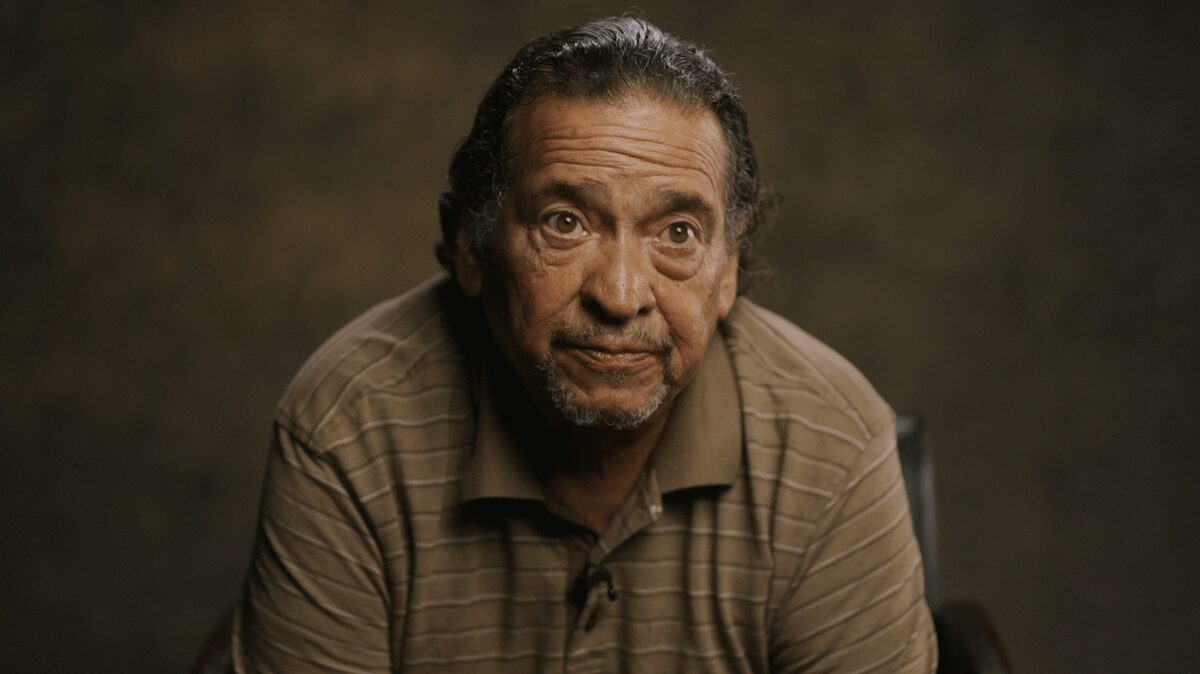
A man who was wrongfully convicted and spent nearly 18 years on death row has revealed the one thing he hoped to hear after he finally walked free.
Juan Roberto Melendez-Colon served 17 years, eight months and one day in a Florida prison for a murder he did not commit. Despite the lack of physical evidence linking him to the crime, he was still found guilty.
Melendez-Colon maintained he had an alibi, but in 1983 he was convicted of first-degree murder largely on the testimony of two witnesses.
Although his case went through multiple appeals, the conviction stood for years. Then, 16 years later, his legal team uncovered a taped confession from a man named Vernon James. Lawyers also tracked down people who said they remembered James admitting to the killing.
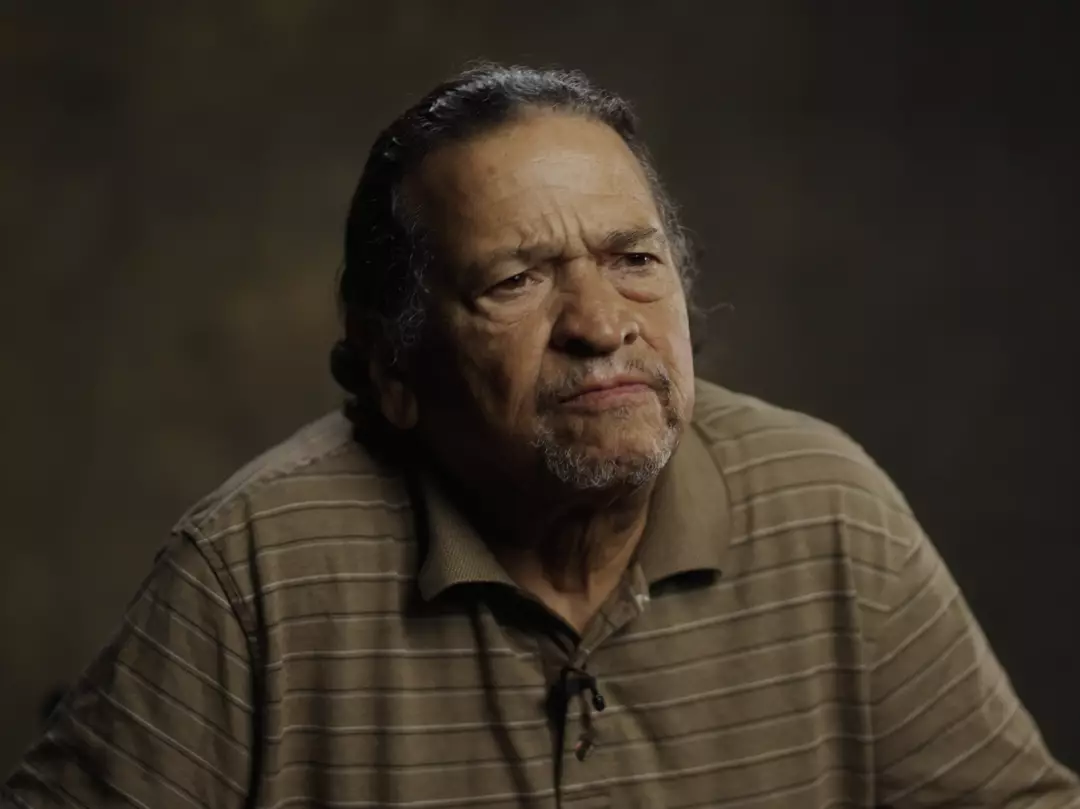
In an interview for the Minutes With series, Melendez-Colon said there was one straightforward thing he wanted after being released — and it still hasn’t happened.
“That made me the number 99 death row prisoner in Florida released at that time. And they never say, I’m sorry. And that’s the part. I don’t want no millions, I don’t want nothing. All I wanted them people really, would have been for me to tell me, ‘Juan, I’m sorry what I did to you’,” he said.
“And that would’ve been the best compensation I would’ve had in my life. None of them came to me and say, ‘I’m sorry, what happened’. None of them. And that’s where the part hurt more than anything. If only I had got compensation now.”
He also reflected on the day he was convicted, explaining why — at the time — he actually preferred being sentenced to death. He believed a death sentence would keep his case in motion, giving him more chances to fight for his innocence than a life sentence might have.
“I wanted the death penalty, but I wanted the death penalty to get publicity so I can prove my innocence. Because if they sentence you to death and give you a life in prison, they gonna forget about you. But with the death penalty, you can still in process ’till they kill you,” he said. “So you got to have a lawyer, they got to have a lawyer. So that’s what I wanted to, if I wouldn’t have had the death penalty, I would probably be in prison right now.”
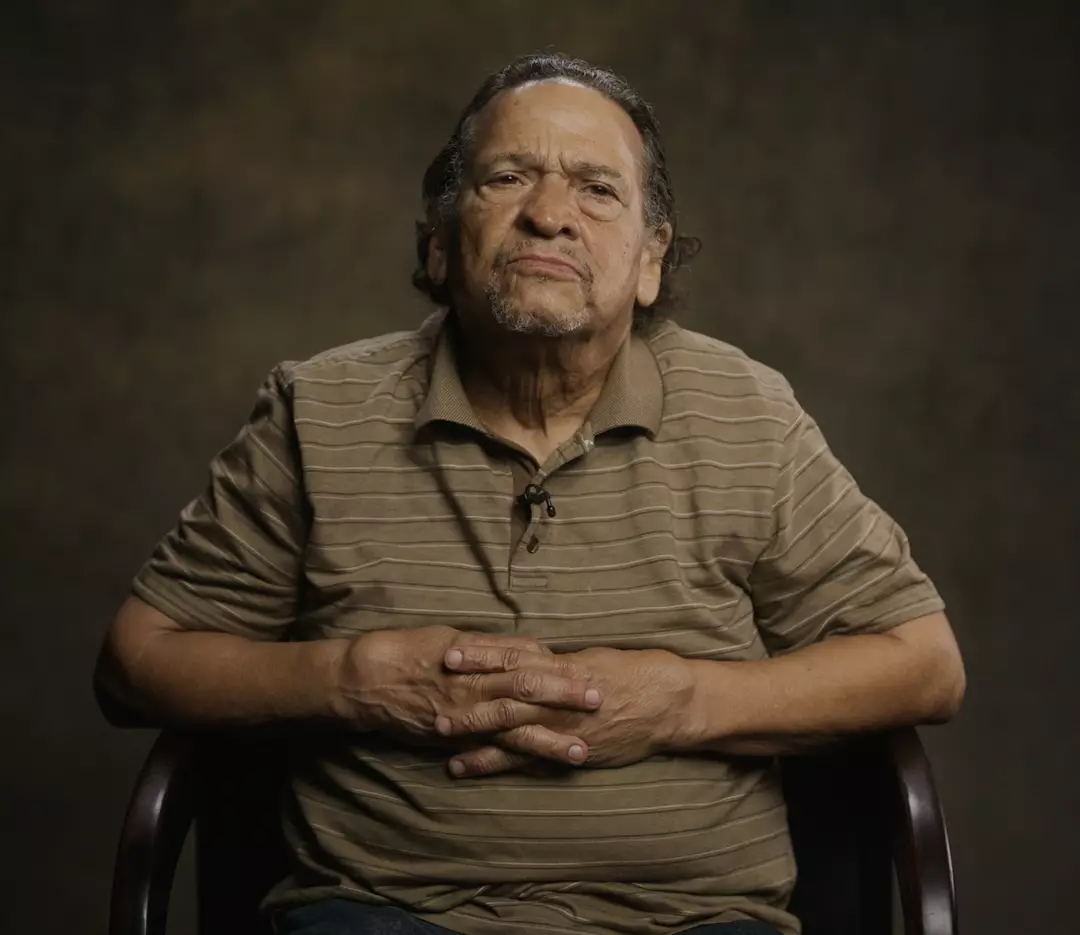
Despite what he went through, Melendez-Colon said he tries to focus on the future rather than staying anchored in what happened to him.
“I ain’t got no time for that. I look forward now, I ain’t got no time. I don’t think looking back, it will happen like you say, it will make you angry. And I got enough of that. That’s gone, gone long time ago. It is one thing that I learned in the inside, I learned how to forgive,” he said.
“And believe me, when you forgive, you’re not helping the one you’ve forgiven, you’re helping yourself. Living with hate and hang all of us and holding grudges and all this, that’s not me.”
He also had words for people who support capital punishment, urging them to dig into the realities behind it.
He also shared a message for those who support the death penalty, adding: “Do your research, research and see and look for the facts of the death penalty… Find out if the death penalty deters crime, find out if the penalty is racist, find out if the penalty is cruel or, or necessary. Do we have alternatives? Find out if it costs too much. Find out how many innocent people they kill, how many people they got inside there.”