

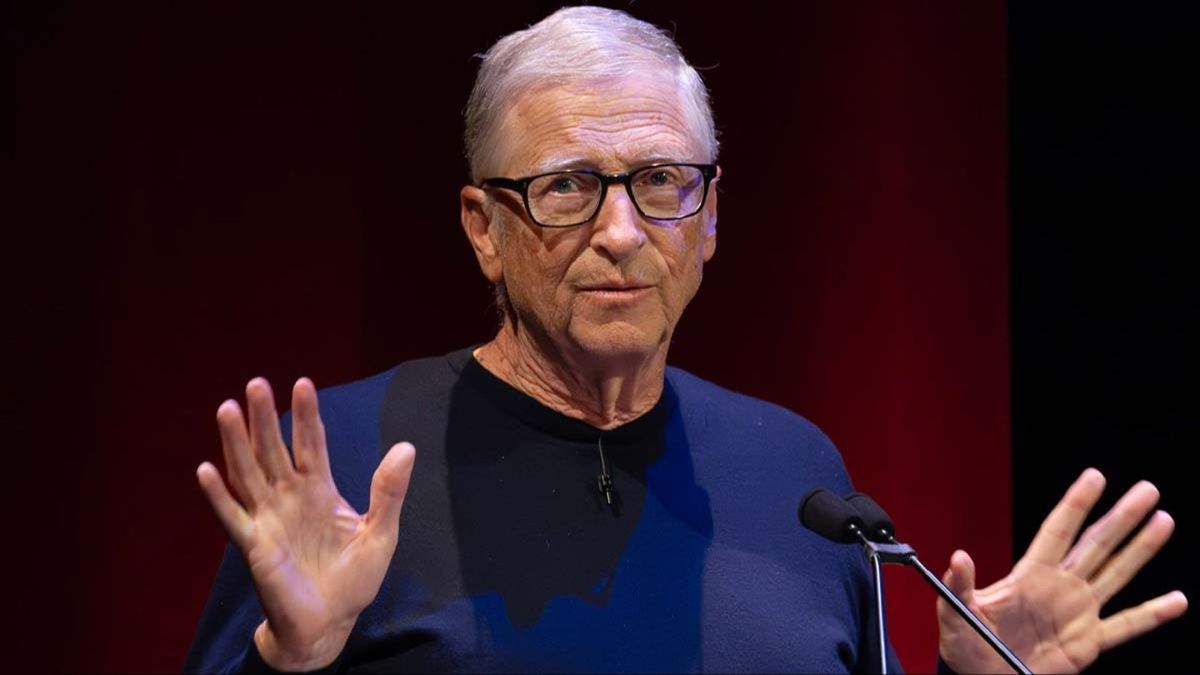
Microsoft founder Bill Gates made a striking prediction about how Artificial Intelligence (AI) could reshape the workforce — and ChatGPT has now responded.
Gates drew attention last year after suggesting that a growing number of roles may no longer need human workers, as automation and AI become more capable across different industries.
Still, he didn’t believe every field was headed for the same fate. In his view, some professions had a stronger chance of holding up, with coders, energy specialists, and biologists among those he considered more secure.
Microsoft has also highlighted roles it believes are most exposed to disruption, listing 40 jobs it says face a higher level of risk. The list includes interpreters, translators, mathematicians, and journalists.
While nobody can predict the future with certainty, it makes sense to ask the technology at the centre of the conversation what it thinks about all this.
So, we asked ChatGPT for its perspective — and the bot suggested the situation may be more nuanced than a straightforward “AI takes your job” scenario.
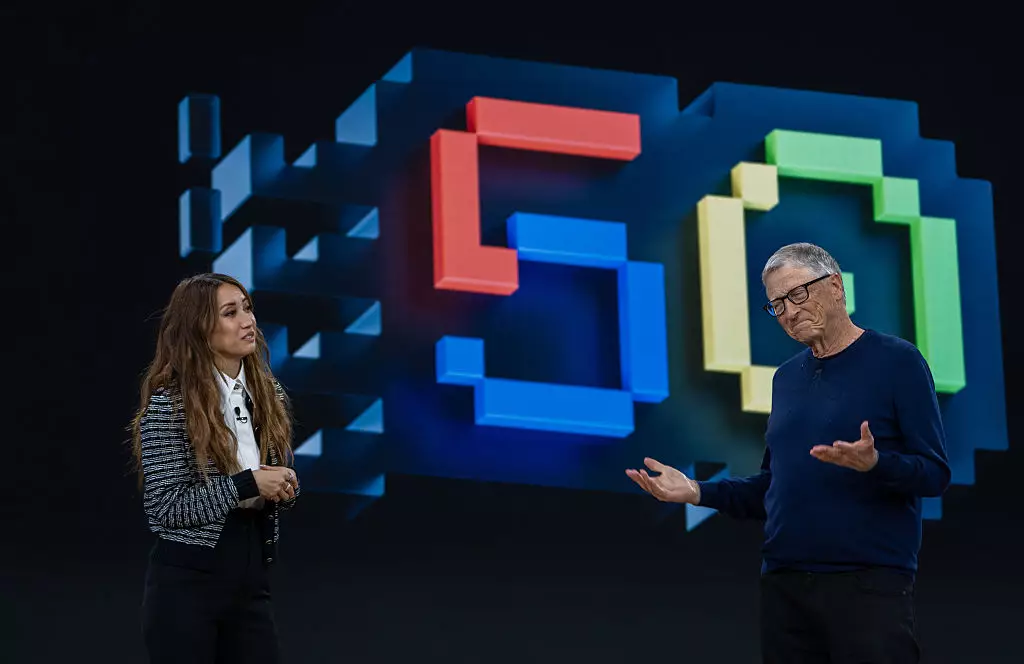
“I think Bill Gates is directionally right, but the real dividing line isn’t which profession you’re in — it’s which tasks within that profession are repetitive, predictable, and easy to standardize,” the AI Bot said.
It acknowledged that AI is already reducing or taking over certain parts of existing roles, but argued that it can also generate new kinds of work and boost productivity at the same time.
Rather than fully backing Gates’ scale of job losses, ChatGPT said the most resilient work may be found in hands-on skilled trades — such as plumbing and electrical work — and in healthcare roles like nursing and therapy.
Looking ahead a decade, the bot predicted that the most in-demand people will be those who know how to collaborate with AI effectively, particularly individuals who can mix technical ability with strong communication skills.
ChatGPT also argued that healthcare is a clear example of where AI support doesn’t necessarily replace human judgement.
ChatGPT claims that although AI can assist healthcare professionals with diagnosis, ‘patients still want humans making final calls and providing care’. Very understandable.
On science and research, it echoed Gates’ belief that scientists are likely to remain valuable, saying AI may accelerate analysis but human intuition and hypothesis-building remain critical for true breakthroughs.
It also suggested that senior decision-makers — including executives and entrepreneurs — are harder to replace because their work involves risk, accountability, and uncertainty.
Plus, AI thinks leaders such as execs and entrepreneurs will be safe, claiming, ‘the higher the uncertainty and responsibility, the harder replacement becomes.’
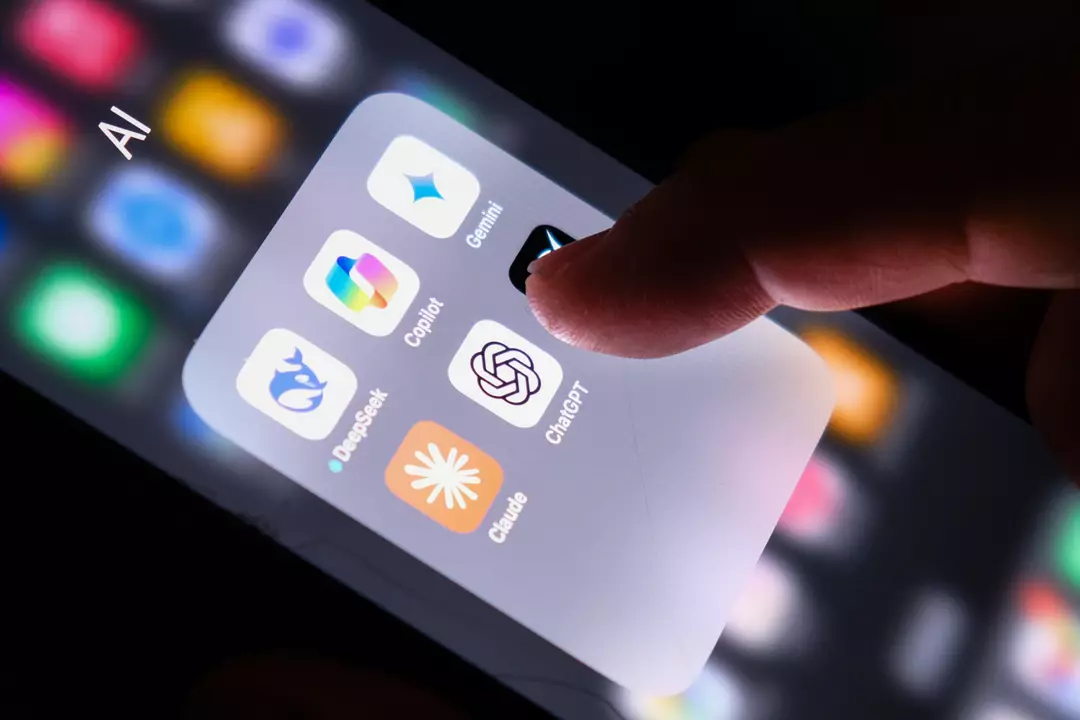
In what it framed as a useful comparison, the bot pointed to past technological leaps and how they transformed jobs instead of wiping them out entirely.
In what can only be described as a great analogy, Chat said that ‘calculators didn’t eliminate accountants, and the internet didn’t eliminate journalists,’ but in fact, they changed their jobs ‘drastically’.
Rather than singling out one specific career as doomed, ChatGPT’s broader argument was that no job can be considered untouchable forever.
“I don’t think any profession is permanently ‘safe,'” Chat wrote. “AI capability is moving too fast for absolute predictions.”
“The question isn’t ‘Will AI affect this field?’ The question is, ‘Which human skills in this field remain scarce?’
Where the bot did draw a clearer line was around vulnerability: it said people doing repetitive computer-based tasks, or those who refuse to use AI tools, may face the most pressure.
It added that work that’s easy to measure and standardize is more likely to be streamlined, automated, or reduced.
Even then, ChatGPT argued that disruption doesn’t always mean mass unemployment. It may appear instead as lower pay, fewer openings, tougher competition, and rising expectations for skill levels.
It also warned that AI could lead to smaller teams, because a single highly assisted professional might produce the output that previously required several people — potentially shrinking entry-level opportunities in the process.
And the bot summed up its view with one final line: “AI changes jobs more than it destroys them.”
We’ll see where things stand in 10 years.