

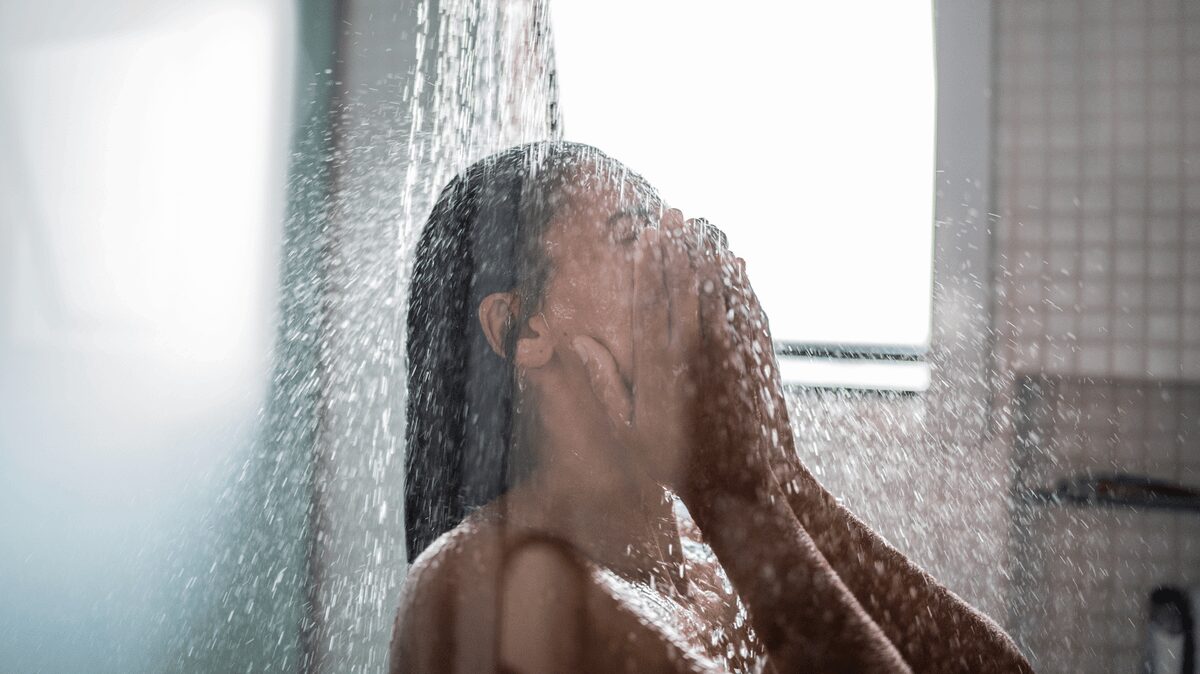
Both showers and baths can leave you feeling fresh, but scientists say only one option is consistently the more hygienic choice.
A clinical microbiologist has weighed in on the long-running shower-versus-bath debate, and her conclusion may disappoint anyone who prefers a soak.
So, are baths actually clean?
Dr Primrose Freestone, a clinical microbiologist at the University of Leicester, explained her view to the outlet in straightforward terms.
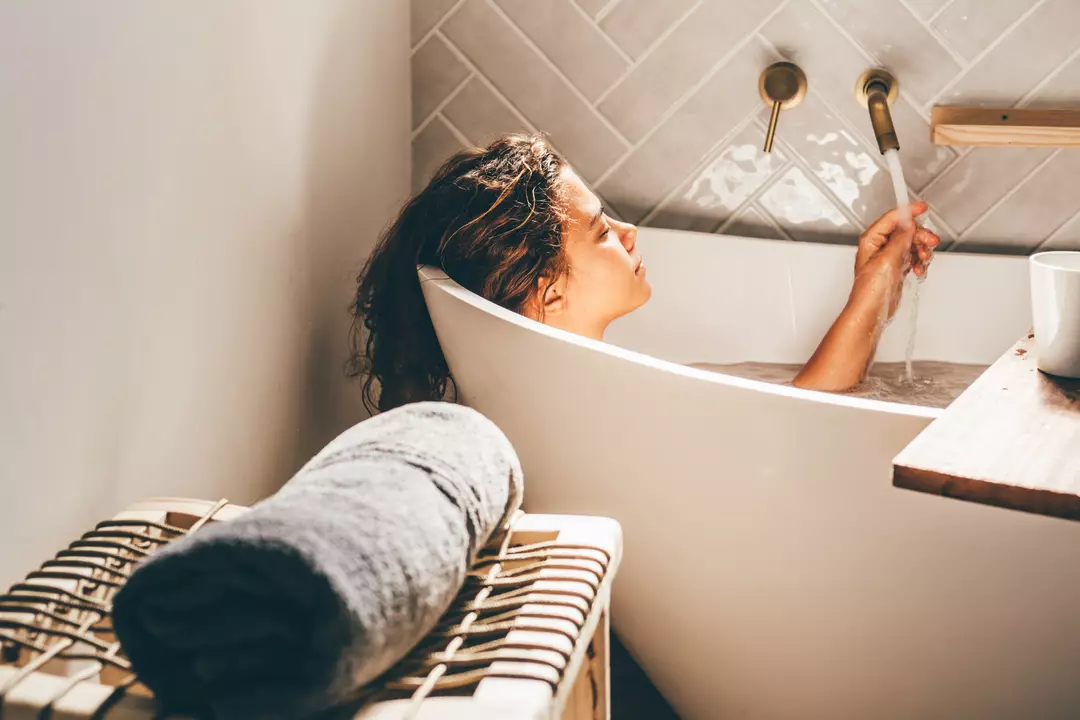
“When you have a bath the water is not changed, so all you’re doing is redistributing the bacteria living on you to different body sites,” she said.
Put simply, when you sit in a tub, the water quickly becomes a mix of whatever was on your skin—meaning you may feel relaxed, but you’re not necessarily rinsing microbes away in the same way.
By contrast, showers generally come out on top because the water is constantly flowing away from you, carrying contaminants with it.
“A shower is a continuous changing stream of water which washed away potential germs,” and that it “removes more skin microbes and dead skin cells than a bath as the water is a constant stream and therefore provides a friction force to the skin.”
She also noted that showering in the morning can be especially useful, as it helps rinse off sweat and bacteria that may have built up overnight from bedding and sleep.
Survey data reflects that preference varies by country. World Population Review reports that Americans strongly favour showers, with around 90% choosing them over baths, while in the UK about 32% still say they prefer bathing.
Even so, Dr Freestone isn’t advising people to give up their bathtub entirely.
Baths still have clear wellbeing perks: they can help you unwind, ease sore muscles, reduce stress, and support circulation. The trade-off is that they’re better for relaxation than they are for thoroughly washing away microbes.
Her suggestion is to enjoy the bath for the comfort benefits, then have a quick shower afterwards—so you get the best of both without leaving residues behind.
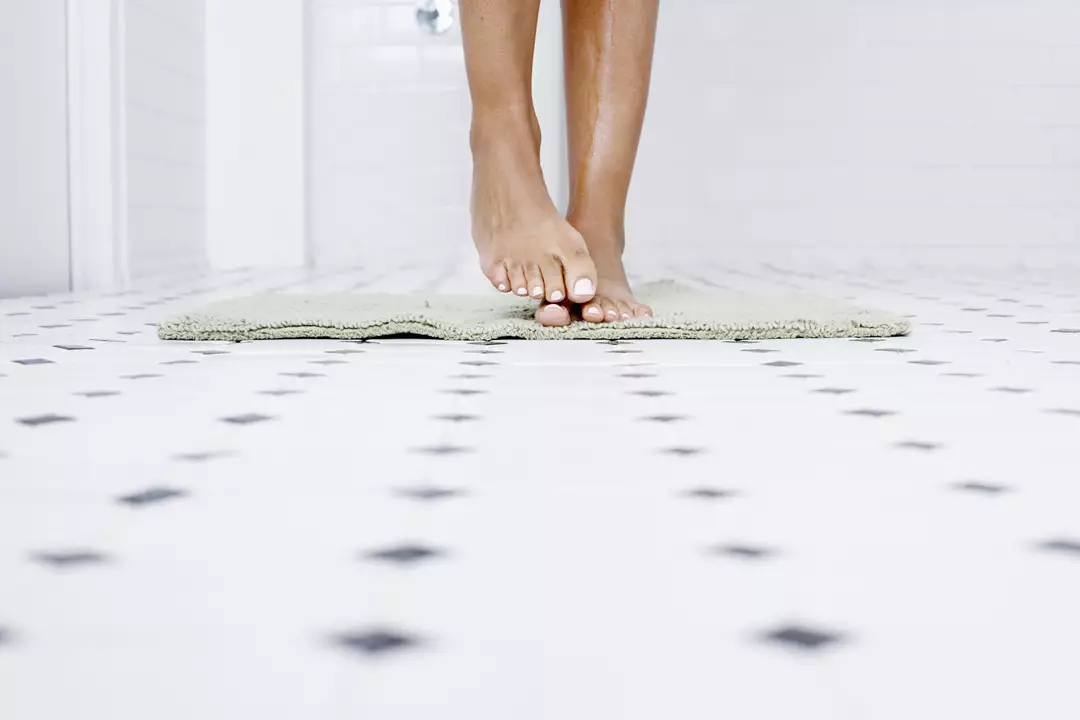
There’s also another hygiene issue in many bathrooms that’s easy to overlook: the bath mat.
Specialists at Plumbworld cautioned that bath mats are “an overlooked item that can hold onto moisture and bacteria,” because they absorb water each time you step out, which can encourage mould growth—particularly with rubber-backed mats that keep moisture trapped against the floor.
The solution is straightforward: wash bath mats weekly on a hot cycle and dry them properly, rather than leaving them damp and flat on the bathroom floor.