

The World Health Organization (WHO) has warned that additional hantavirus infections could still emerge after a recent outbreak linked to a cruise ship.
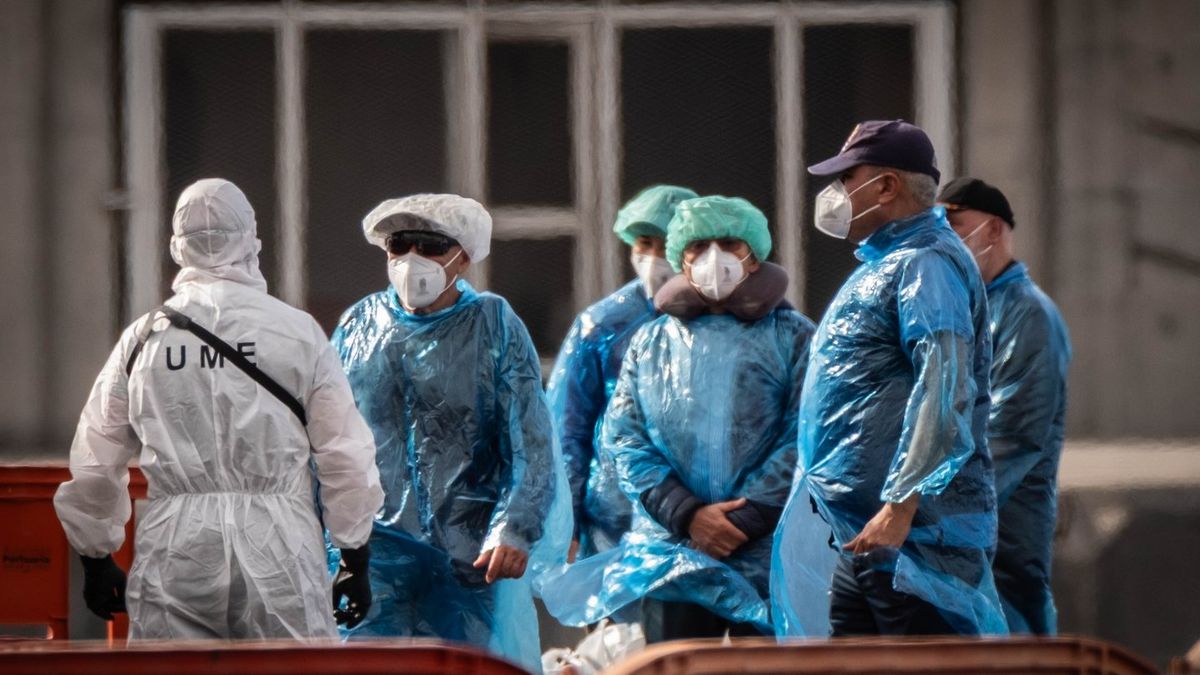
MV Hondius arrived off the Spanish island of Tenerife on Sunday (May 10) after reporting a hantavirus outbreak onboard.
Nearly 120 passengers and 23 crew members were taken off the vessel, more than a month after the ship set sail from Ushuaia, Argentina.
Authorities say a German national and a Dutch couple have died, and eight cases have been confirmed to date.
Public health teams have been working to identify and contact passengers who left the ship earlier in the voyage, while those removed in Tenerife have now started a 45-day isolation period.
During a press conference on Tuesday (May 12), WHO Director-General Dr Tedros Adhanom Ghebreyesus said further cases are expected due to the timeframe and onboard exposure.
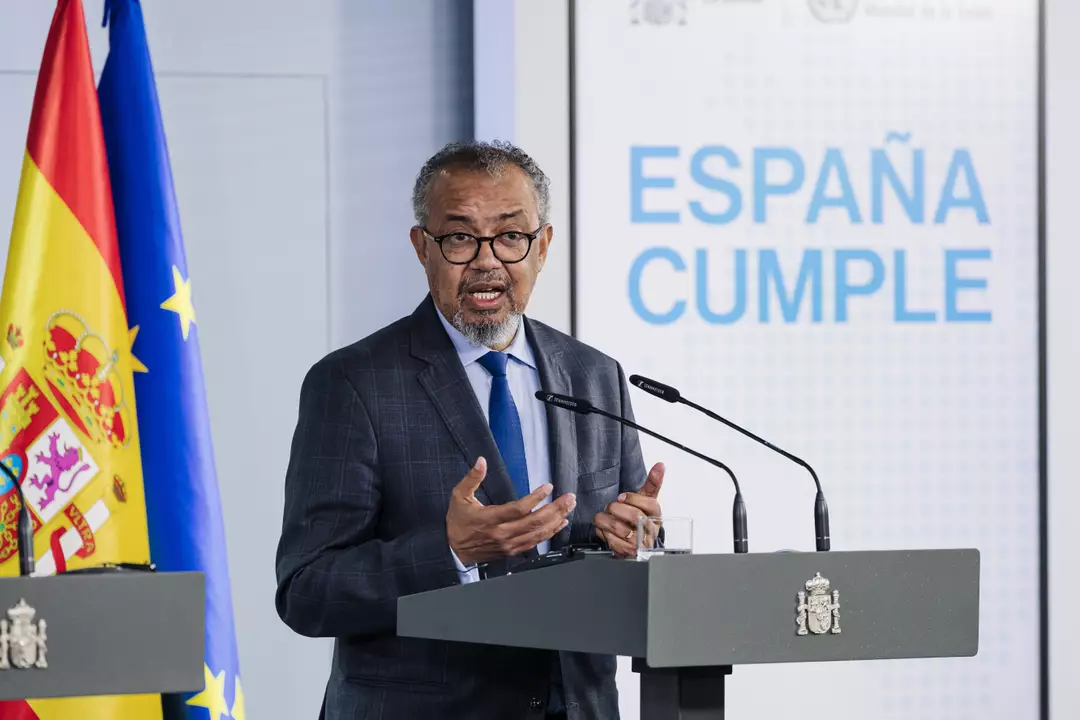
Speaking to reporters on Tuesday (May 12), Dr Ghebreyesus said: “On more cases, as I said in my speech, we would expect more cases because, as you may remember, the first case was on 6 April and until the report was confirmed as infectious around 24/25 April, there was a lot of interaction of the passengers.
“As you know, the incubation period is six to eight weeks. Because of the interaction, while they were still on the ship, even as they were taking some preventative measures… We would expect more cases.”
He also stressed that, based on current evidence, the situation does not indicate a repeat of the global spread seen during Covid—though officials will continue monitoring.
Dr Ghebreyesus added: “At the moment, there is no sign that we are seeing the start of a larger outbreak, but of course the situation could change and, given the long incubation period of the virus, it’s possible we might see more cases in the coming weeks.”
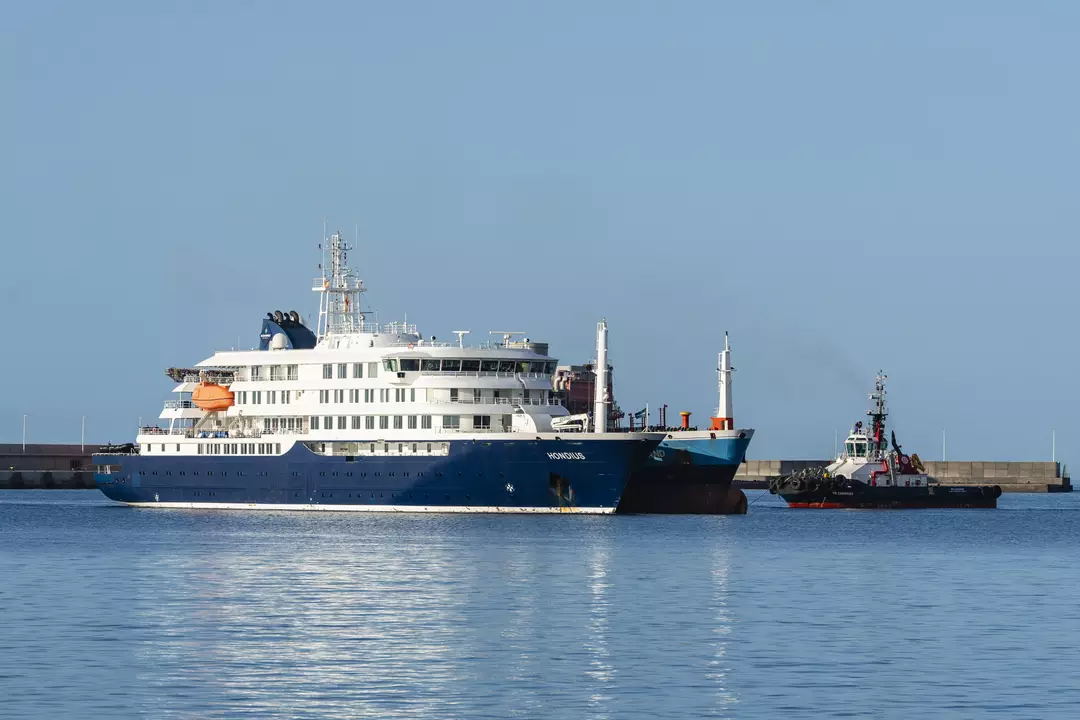
Spain’s Prime Minister Pedro Sanchez also addressed the issue at the same press conference, after demonstrations in Tenerife criticised the decision to allow MV Hondius to dock at the tourist hotspot.
He defended Spain’s response, arguing the country had a responsibility to assist in an emergency.
Sanchez added: “Some recommended we ignore the call, a few even demanded it. The real question was why are we not going to protect our fellow citizens and help those in need if we have the power to do so? The world does not need more selfishness and fear, it needs countries that show solidarity and are willing to step up.”