


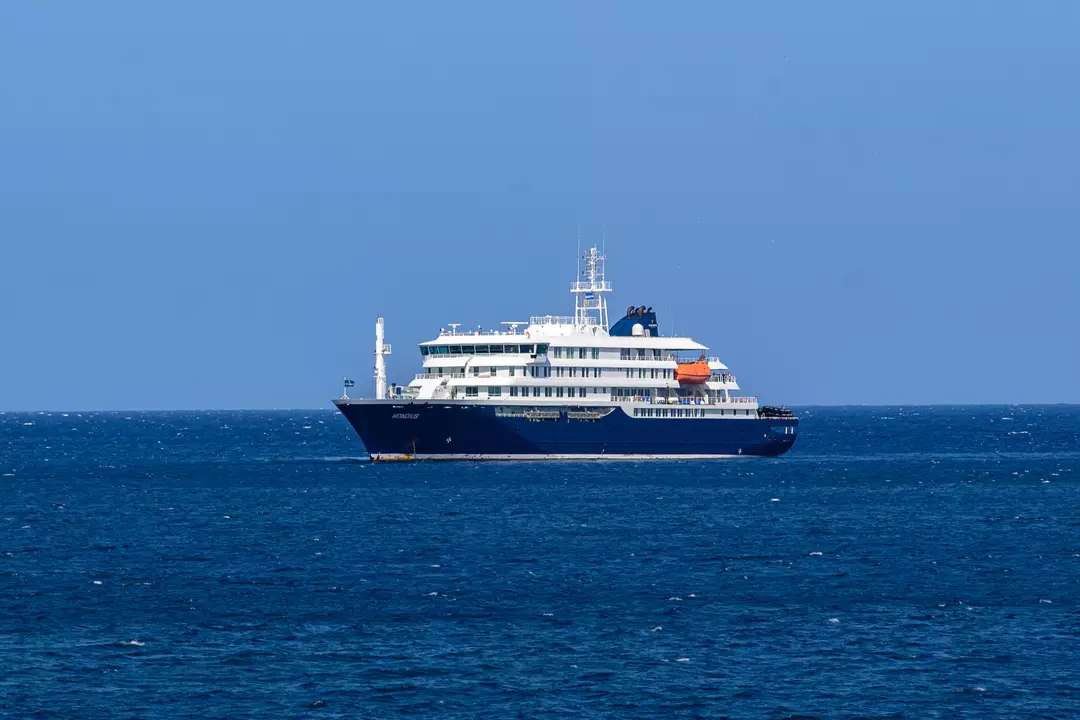
Fears are growing that hantavirus could reach a wider public after passengers from the MV Hondius were evacuated in recent days.
A first case of hantavirus linked to the Dutch cruise ship, which was carrying up to 150 people, was confirmed in early May. By May 13, reports say there were 11 cases in total, with nine confirmed by the World Health Organization (WHO).
The vessel departed Argentina in April, but later diverted to Tenerife so that everyone onboard could be taken off the ship following the outbreak.
Three people died while on the MV Hondius. Others became severely unwell and were airlifted from the ship. The remaining passengers left the vessel on Sunday (May 10).
Those onboard came from multiple countries, including 17 Americans who arrived in Nebraska early Monday morning. One US passenger has since tested positive for the Andes strain.
As passengers return home, some are worried that additional infections could be detected later, raising the possibility of further transmission to others if more people test positive after travelling.
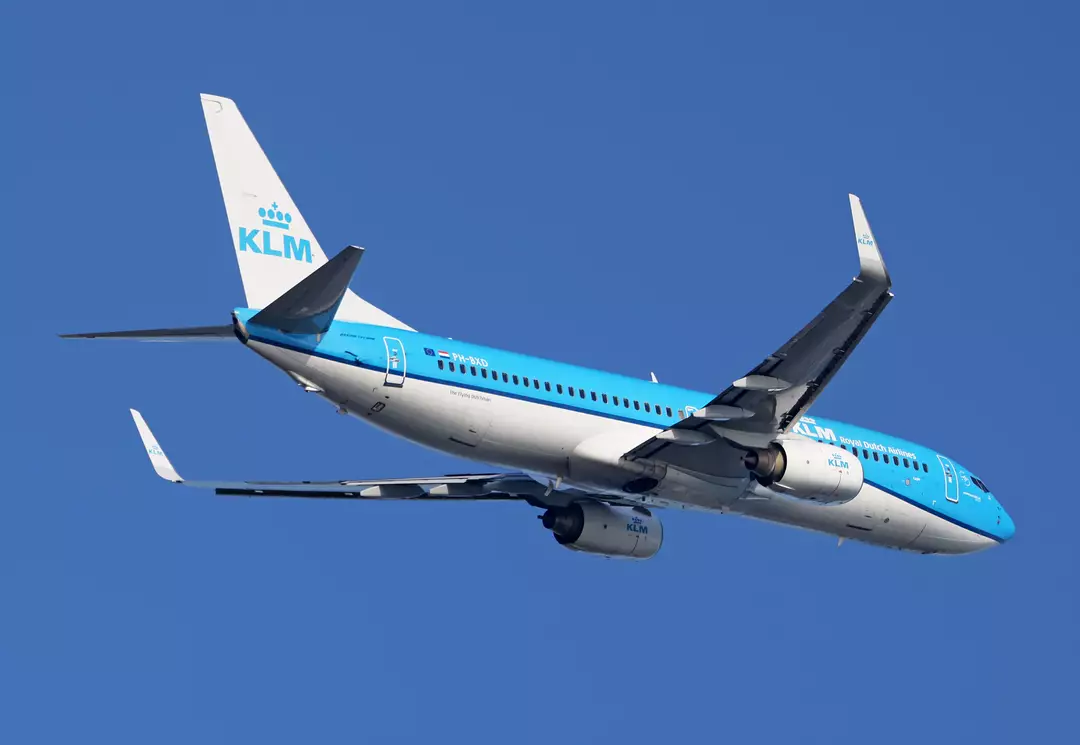
Separately, an Italian man who was not on the cruise ship is now being assessed at an infectious-diseases hospital. He is thought to have been on a KLM flight with a woman, Miriam Schilperoord, who later died from the virus, according to reporting.
News.au.com
Should that unnamed person test positive, it could suggest wider person-to-person spread than first believed—what officials have described as potential “generation-three” cases.

In this scenario, the outbreak is understood to begin with “patient zero,” who is believed to have been a Dutch national named Leo Schilperoord.
People who had contact with Schilperoord (if he was indeed the initial case aboard the MV Hondius) and then became ill are referred to as “generation-two” cases.
“Generation-three” cases are those believed to catch hantavirus from the generation-two group—for example, from Schilperoord’s wife Miriam.
The Italian man, 25, who is now experiencing symptoms is said to have been seated next to Miriam on the KLM flight she took before her death.
If he is confirmed to have the virus, he would be considered the first “generation-three” case.
Dr Steven Quay, a US physician-scientist, has estimated when any generation-three cases might begin to appear.
His estimate is based on the Andes strain’s incubation period, which he put at roughly three weeks.
He explained (per GB News):
“May 19 is a good date to watch for. If cases continue beyond that point they will probably be generation two to generation-three cases.”
Despite the concern, WHO chief Tedros Adhanom Ghebreyesus said there is still reason to believe the situation will remain contained.
“There is no sign that we are seeing the start of a larger outbreak,” he said at a news conference, adding: “But of course the situation could change, and given the long incubation period of the virus, it’s possible we might see more cases in the coming weeks.”
In some instances, symptoms may not appear until as long as eight weeks after exposure.