


As more people turn to the GLP-1 medication Ozempic for weight loss, reports of unexpected side effects keep emerging.
Ozempic is primarily prescribed to people with type 2 diabetes to help manage blood sugar. However, it has also become widely used for weight loss.
From changes to body shape to altered breath, users have shared a growing list of potential effects. Another term now circulating online is “Ozempic babies.”
The phrase is being used after some women said they became pregnant unexpectedly while taking Ozempic.
Despite the nickname, the reports aren’t limited to Ozempic alone.
Some people using other GLP-1 drugs, including Mounjaro, have described similar experiences.

Put simply, “Ozempic babies” refers to pregnancies reported by women taking Ozempic or comparable medications.
And it may not only relate to women. Cleveland Clinic has noted that these drugs are also said to increase fertility in men.
For some, that could be a welcome change — but specialists emphasize that these medications aren’t intended to treat infertility.
Cleveland Clinic stresses that it’s important to ‘to note that GLP-1 agonists aren’t fertility treatments.’
“If you’re experiencing infertility these are not your magic potions for getting pregnant,” experts say.
Because GLP-1 medications are still relatively new, research into how they might affect fertility remains limited.
Parenting data economist Professor Emily Oster discussed the topic on the Oversharing podcast, saying: “You will certainly see a lot of discussion on TikTok from people who were taking Ozempic and got pregnant by accident. We’re still working out what’s going on there.”
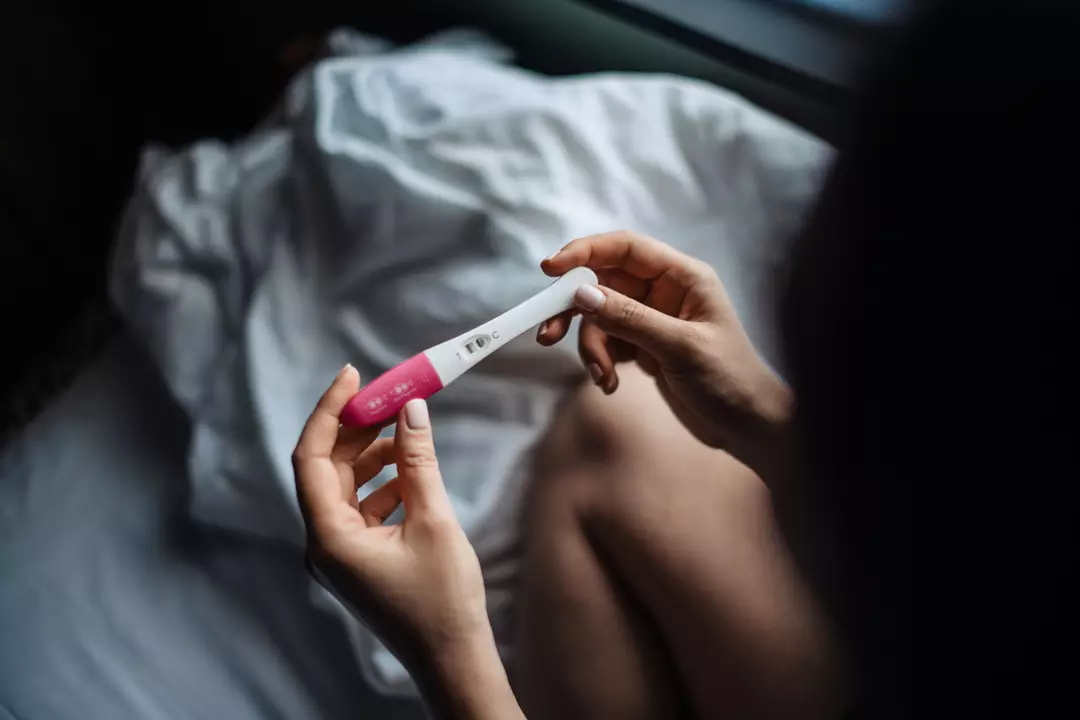
Doctors also point out that weight and BMI can influence fertility, meaning weight loss — including weight loss linked to medications like Ozempic — could potentially improve a person’s chances of conceiving.
“We know that each BMI point above 29 decreases female fertility by about 5%. That’s pretty significant,” Dr. McIntosh tells Cleavland Clinic – adding that weight loss medications can boost feritlity.
Another concern raised by clinicians is whether GLP-1 drugs could interfere with contraception for some users.
“Birth control pills are absorbed by your body similar to how your body absorbs food. They need to be metabolized to work,” Dr. McIntosh says.
Because GLP-1 medications can slow digestion and absorption, some worry oral contraceptives may not be taken up by the body as effectively in certain cases, potentially reducing reliability.
Anyone with concerns about pregnancy, fertility, or contraception while taking these medications should speak with a healthcare professional.
A spokesperson for Novo Nordisk, the creators of Ozempic, said in a statement: “There is limited data with semaglutide use in pregnant women to inform a drug-associated risk for adverse maternal and foetal outcomes. Semaglutide injection (Ozempic®, Wegovy®▼) should be discontinued in women at least 2 months before a planned pregnancy due to the long washout period for semaglutide. Semaglutide should not be used during pregnancy. Women of childbearing potential are recommended to use contraception when treated with semaglutide.
In other pharmacology trials, semaglutide did not affect the absorption of oral medications (including the oral contraceptive medication ethinylestradiol and levonorgestrel) to any clinically relevant degree. Therefore semaglutide is not anticipated to decrease the effect of oral contraceptives. Nonetheless, caution should be exercised when oral medications are concomitantly administered with semaglutide.”