

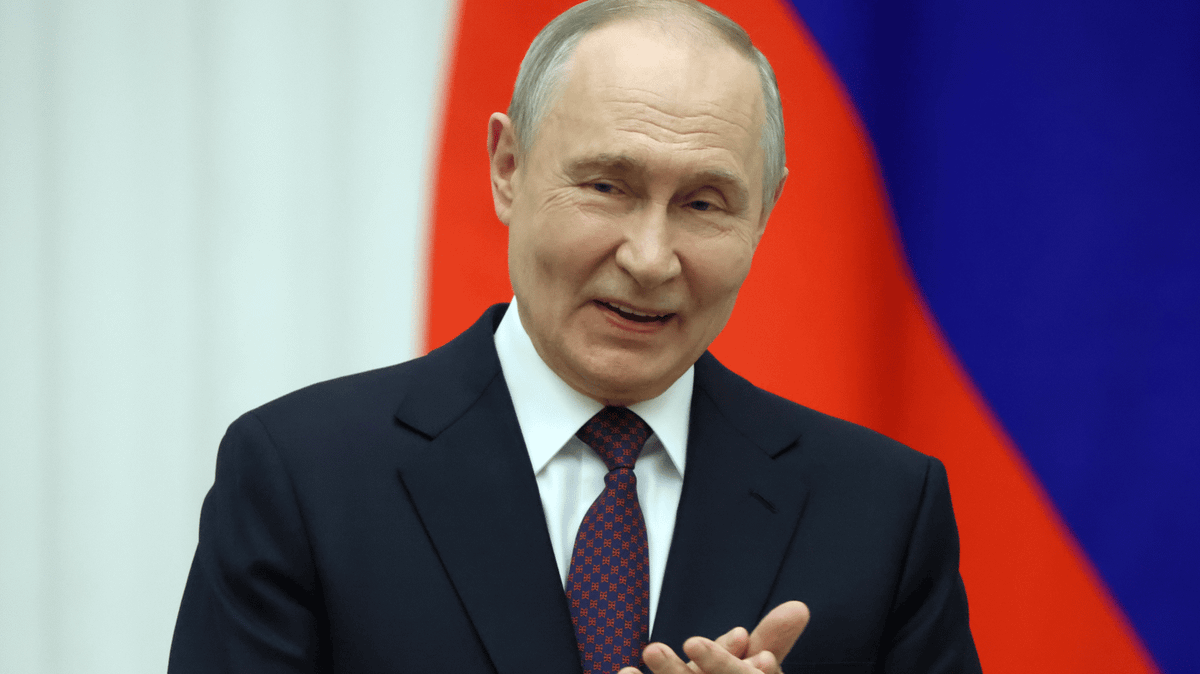
Russia’s President Vladimir Putin again praised the country’s new Sarmat missile this week.
He called it ‘the most powerful missile in the world’.
If the claim holds up, the Sarmat would sit at the very top of today’s strategic missile capabilities, dwarfing rival systems in raw destructive potential.
The intercontinental weapon is part of a wider push to refresh Russia’s nuclear forces, with the missile said to be able to deploy warheads at speeds ‘five times faster than the speed of sound’.
Putin has indicated the system is due to be introduced by the end of the year, taking over from the older Soviet-era Voyevoda missiles.
He also told Russian outlets that, in combined warhead power, the Sarmat exceeds Western equivalents by more than four times—an assertion that has not been independently verified.
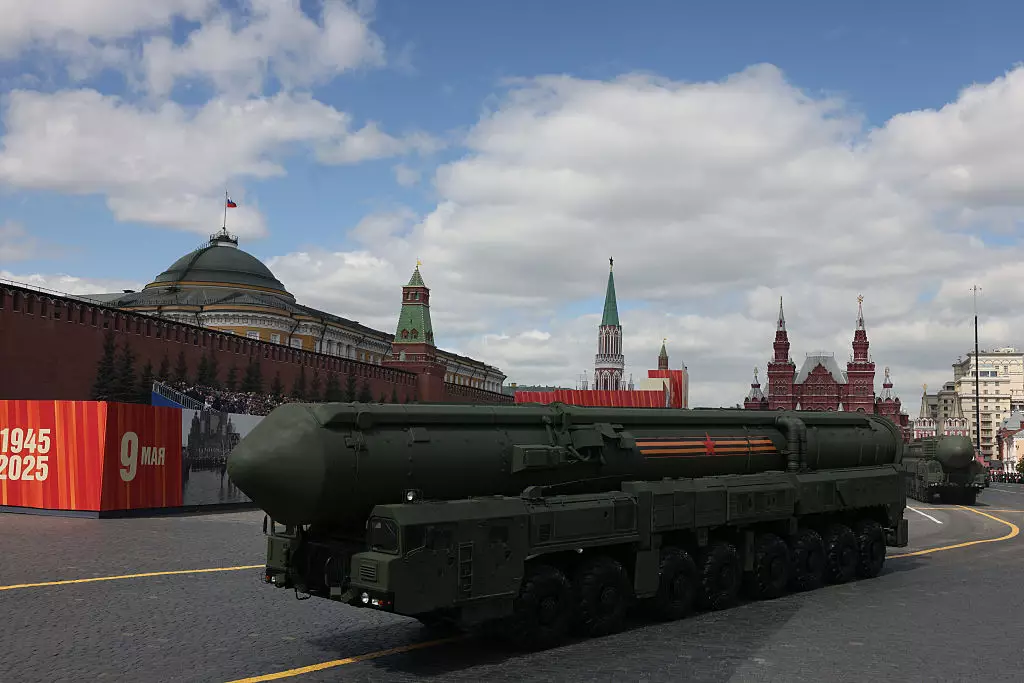
According to the state-owned RIA Novosti news agency, the so-called Satan II has a reach beyond 21,700 miles.
Development has reportedly taken close to 15 years, and was said to have suffered a major setback in 2024 when a failed test allegedly triggered a large explosion.
Putin has argued the missile’s power would make U.S. Missile defences ineffective, and said it can achieve ‘suborbital flight’ (where it reaches outer space), extending its range to around 21,700 miles.
To put that distance into context, it would theoretically allow strikes as far away as Argentina.
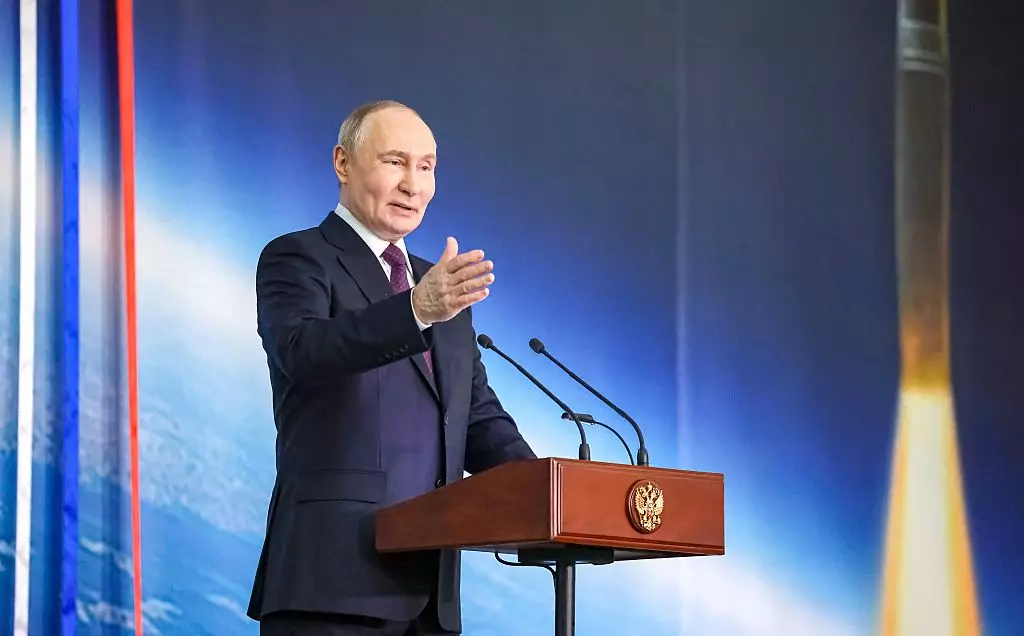
The Sarmat is only one part of a broader effort. With the last Cold War-era nuclear arms agreement between the U.S. And Russia expiring in February, there are currently no limits on the two largest nuclear stockpiles.
That raises the prospect of a renewed nuclear arms race for the first time in more than half a century.
Putin has directed research and development across multiple new systems, including an underwater drone intended to create a ‘nuclear tsunami’ by detonating near enemy coastlines.
Additional projects cited include the Avangard hypersonic glide vehicle, reported to be capable of travelling 27 times faster than the speed of sound, and the nuclear-capable Oreshnik intermediate-range ballistic missile.
The Oreshnik’s range has been reported at roughly 3,100 miles—placing all of Europe within possible striking distance.
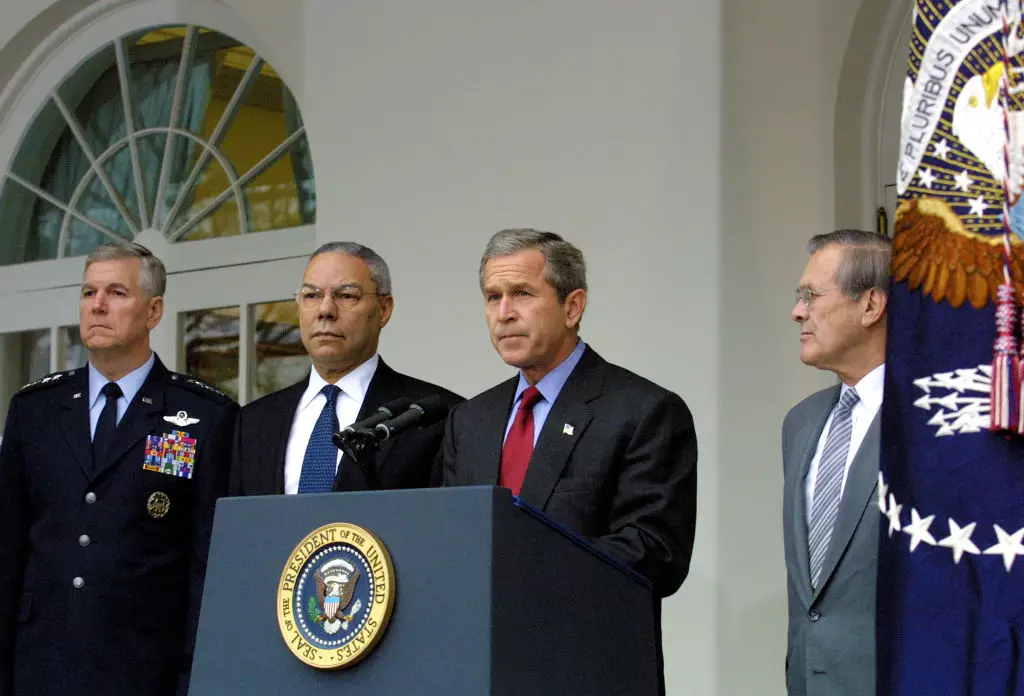
Putin has previously linked this wave of weapons development to President George W. Bush’s decision to leave the 1972 Anti-Ballistic Missile (ABM) Treaty in 2001, a key element of Cold War nuclear arms control.
Russian military officials have long argued that a robust U.S. Missile shield could tempt Washington to attempt a first strike—crippling Russia’s nuclear forces before they could respond.
He said: “We were forced to consider ensuring our strategic security in the face of the new reality and the need to maintain a strategic balance of power and parity.”