

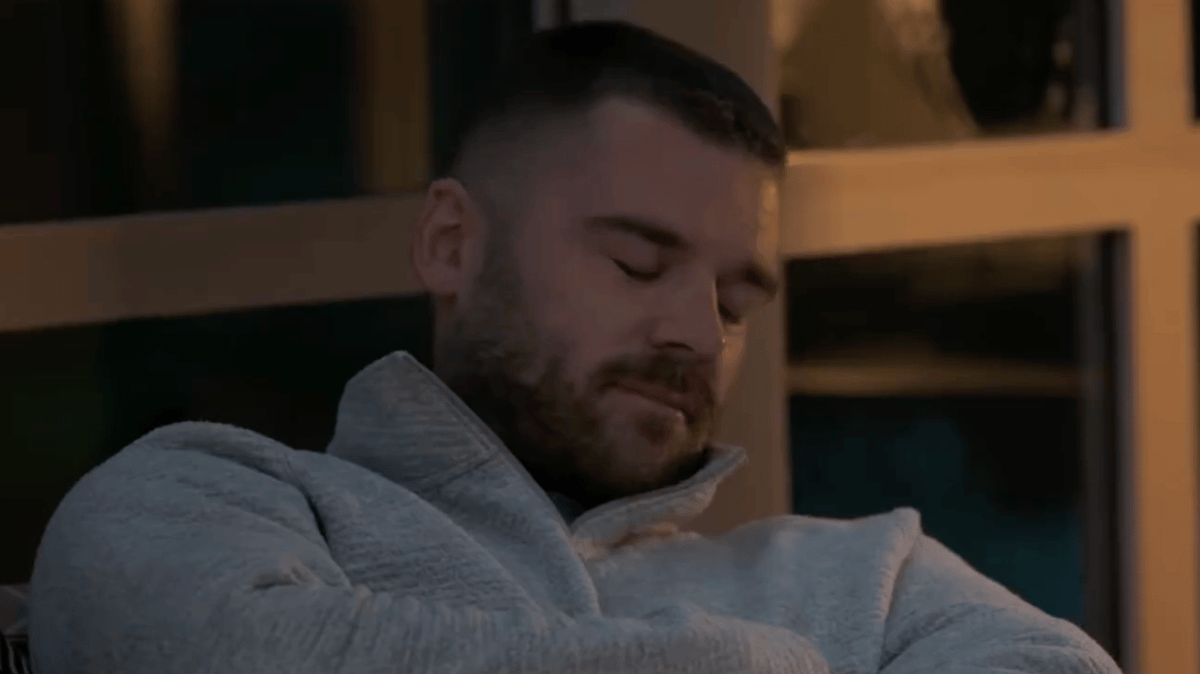
A sleep expert has broken down what can happen to the body after 48 hours without rest — a scenario mirrored by contestants in the new Fear Factor special, who must stay awake while also tackling a string of grim challenges.
Presented by Johnny Knoxville, Fear Factor: 48 Hours of Fear follows six competitors as they try to outlast one another across two sleepless days, all in pursuit of a $50,000 cash prize.
As more of the tasks are revealed, it’s hard not to wonder what you’d be willing to endure for that kind of money.
If the answer includes holding beetles in your mouth, facing down tarantulas, or spending time in a shock collar, the show is designed to push exactly those limits.
Throughout the 48-hour ordeal, contestants are fitted with shock collars intended to stop them from nodding off — making sleep difficult even when exhaustion hits.

To explain what’s likely happening to the contestants as the hours rack up, sleep expert Sammy Margo outlined the physical and mental effects of going without rest for an extended period.
Speaking on behalf of Dreams, the expert first explained what happens after just one full day without sleep, saying: “After 24 hours without sleep, concentration, reaction times and decision-making can become impaired in a similar way to being under the influence of alcohol. You may also be more likely to experience irritability, heightened stress levels, stronger cravings and difficulty regulating emotions.”
And by the second day — the point when the Fear Factor group will be dealing with challenges ranging from electric shocks to an unappetising sushi contest — the risks can become more intense.
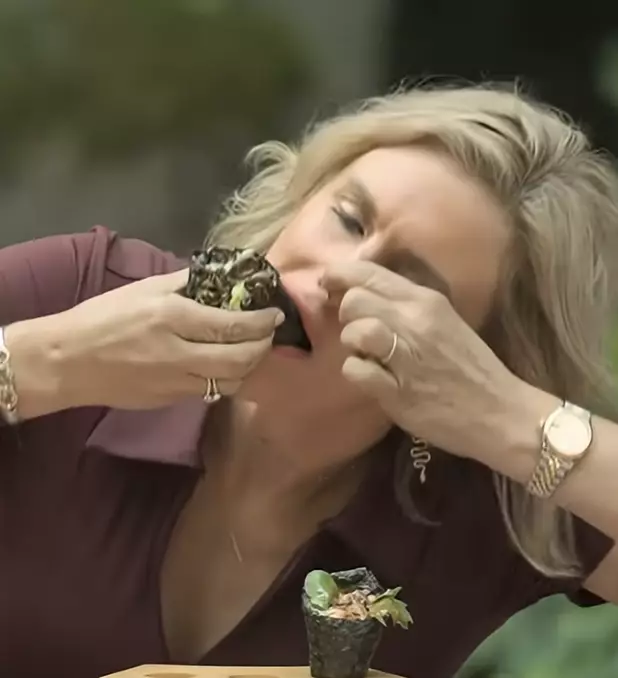
Margo said: “After 48 hours without sleep, the effects may become much more severe. Your body and brain may struggle to function properly, which can lead to memory lapses, confusion, increased anxiety and even hallucinations in some cases.
“Simple day-to-day tasks such as driving, working, exercising or holding conversations may suddenly become much harder because your brain is no longer able to properly process information and react as it normally would.”
With fatigue building and stress levels rising, the competitors are likely to find every task tougher as the show progresses.
It’s a brutal ask — but with $50,000 on the line, it’s easy to see why some people would at least consider it. The tarantulas, however, can stay well away.
Fear Factor: 48 Hours of Fear airs Thursday, May 14, at 9 p.m. ET/PT, with the second part premiering on Thursday, May 21, at 9 p.m. ET/PT.
Sleep deprivation is just one ingredient in a long list of reality-TV controversies. From public humiliation to accusations of cruelty, these are some of the most disputed formats to ever make it to air.

Echoing the discomfort of Black Mirror’s White Bear, the Japanese series Susunu! Denpa Shonen (roughly translated as ‘Do Not Proceed! Crazy Youth‘) followed comedian Tomoaki Hamatsu — better known as Nasubi — who was abducted, left naked, and shut inside a tiny apartment containing little more than a bathroom and an empty kitchen.
The programme ran from 1998 to 2002 on Nippon TV, and centred on how long he could endure the conditions. It later earned a reputation as one of the most disturbing reality concepts ever, with comparisons to a real-world The Truman Show.
Hamatsu was given stacks of sweepstakes magazines and told to win enough prizes to reach ¥1 million (around $6,500), using winnings to secure basic necessities like food. Disturbingly, what he “won” was sometimes dog food or dried rice.
At one point, he reportedly went 10 months before finally obtaining toilet paper. Week after week, up to 15 million viewers watched as he struggled to win enough to eat.
He also didn’t realise he was being live-streamed the entire time, while on-screen sound effects and graphics ridiculed him. A Hulu documentary, The Contestant, released in 2023, explored the full extent of what he experienced during the ordeal.
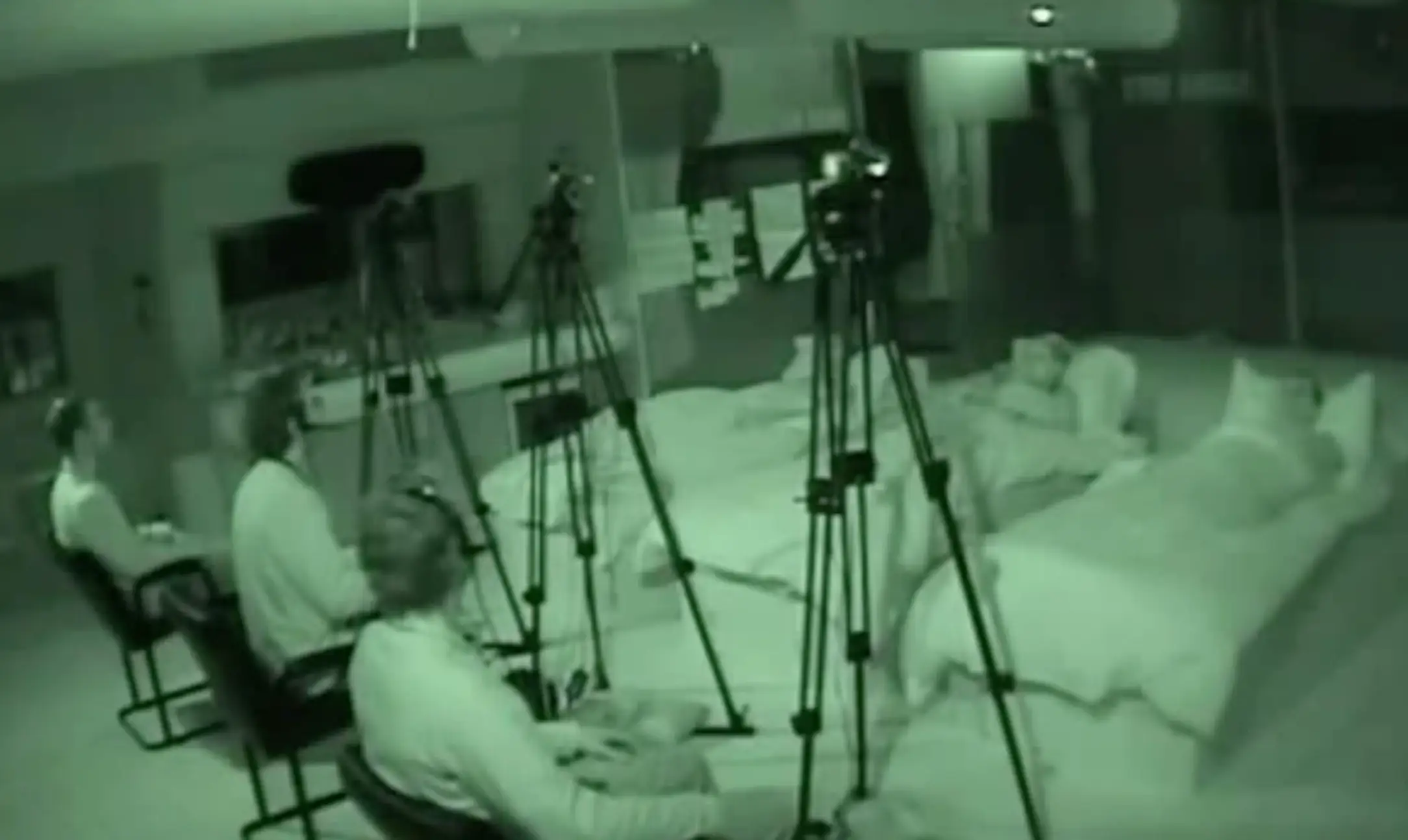
A 2004 Channel 4 concept kept the format blunt: 10 contestants attempted to stay awake for an entire week for a chance at £100,000 — but the money could quickly shrink.
Participants were required to keep one another alert, because if anyone’s eyes stayed shut for more than ten seconds, £1,000 would be deducted from the prize fund.
They were subjected to “You Snooze You Lose” activities designed to lull them to sleep, including cuddling soft toys, sitting in warm rooms, and watching paint dry while reclined.
To manage safety concerns, the show allowed contestants one hour of sleep per day. Even so, the experiment drew criticism from viewers and concern from health professionals.
Although 34 complaints were made to Ofcom, they reportedly found no breach of programme rules. The British Association for Counselling and Psychotherapy, however, described the show as ‘misconceived and dangerous’.

There’s something about Miriam is often cited as one of reality TV’s most ethically questionable “twists”.
Broadcast on Sky1 in 2004, it followed six men competing for Brazilian model Miriam Rivera through physical challenges. The winner was promised a luxury yacht trip and £10,000.
What the contestants were not told was that Miriam was transgender — and the production culminated in her being put in a position where she disclosed this to the group in the final episode.
After Miriam chose contestant Tom Rooke, then 23, she addressed the men, saying: “I tried to be honest with all of you as much as I can. Yes, I’m from Mexico, I’m a model and I’m 21.
“But, Tom, I really love spending time with you. I love men and I love being a woman. But I’m not a woman, I was born as a man.”
The moment turned sour as some of the men laughed while she spoke. Tom later said on camera that he was ‘very shocked’ and felt he had been ‘deceived’, before referring to her with male pronouns and accusing her of ‘lying to everybody’.
Friends of Rivera later claimed her speech had been ‘scripted’ by producers, who they allege mishandled the situation and allowed her to be ridiculed for entertainment.
After production ended, Tom and other contestants pursued a legal case, alleging conspiracy to commit sexual assault, defamation, breach of contract and psychological harm, which ultimately ended in an undisclosed settlement.
The series aired the following year and Rivera stepped away from public attention. In 2019, she was found dead in her mother’s apartment in an apparent suicide, aged 38.
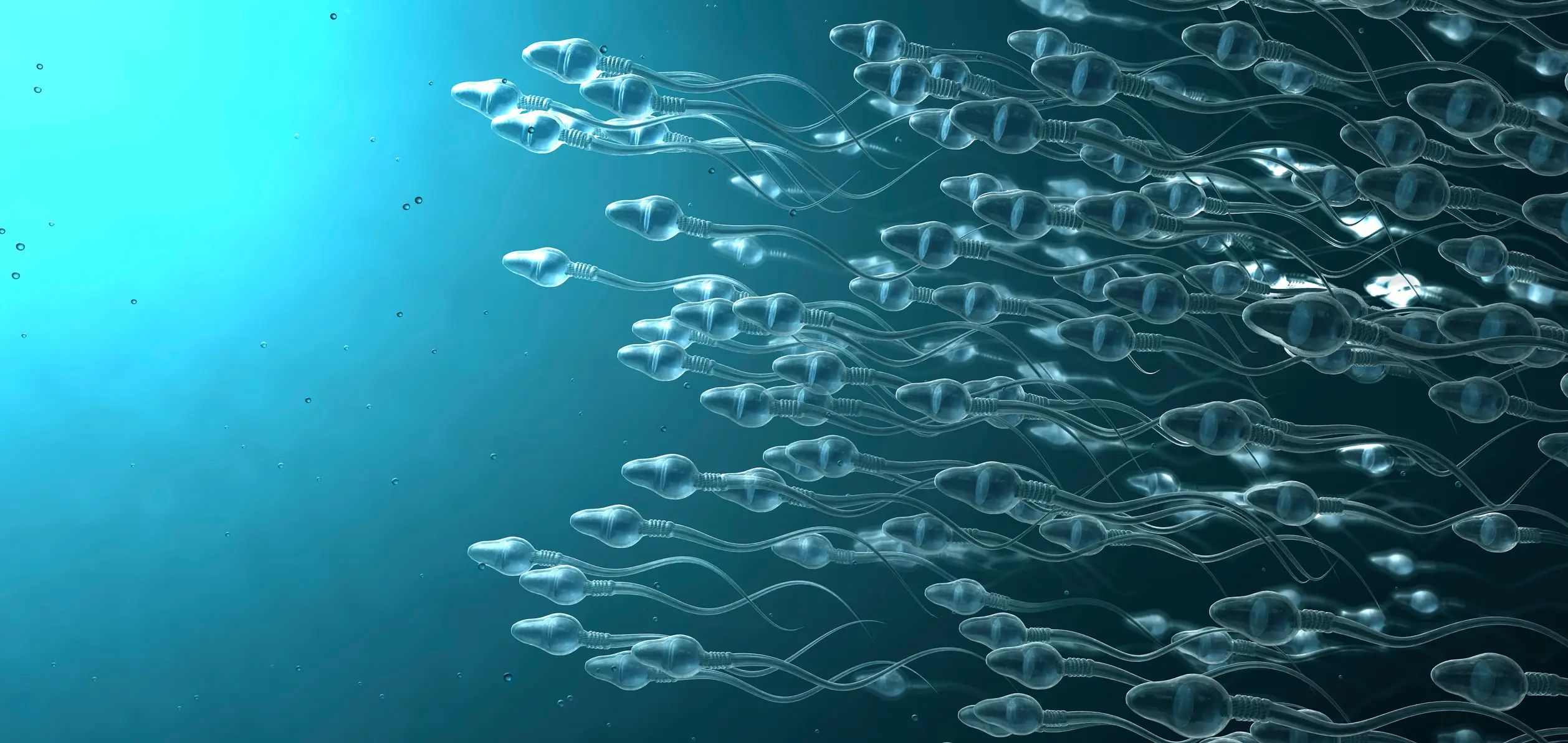
In Germany, amid concern over declining birth rates and fertility issues, one reality programme took an approach that left many viewers stunned: a competition based on sperm speed.
In 2005, Endemol reportedly recruited men to provide sperm samples, while women whose partners were dealing with fertility problems could apply to receive donations.
The concept involved donors producing samples in private booths, with the results frozen and transported to a studio in Cologne.
There, medics monitored as the samples were filmed moving toward an egg using chemical prompts — with the competing men hoping theirs would be the quickest, securing the top prize: a Porsche.
The series faced fierce backlash and was described at the time as a new low for German television, though Endemol executive Boris Brandt defended the premise by stressing the seriousness of fertility challenges in the country.
“About 1.8million German men are unable to have children because they suffer from poor sperm. And there are disappointed girlfriends and wives, as well as parents who wait in vain for grandchildren,” he added at the time, per The Guardian. “The programme isn’t immoral. We’re only testing, we’re not conceiving.
“The main prize in the competition is a Porsche, not a baby. It’s actually a very scientific programme and the topic of fertility is massive in Germany at the moment.”
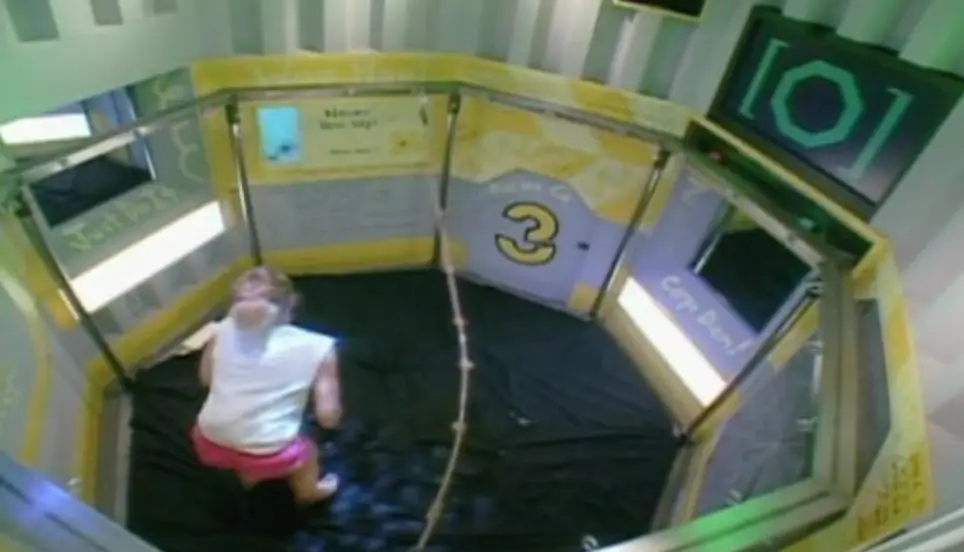
Running from 2006 to 2010 on FOX, Solitary leaned into psychological endurance by placing contestants into cramped, windowless pods and subjecting them to punishing conditions.
The objective was simple: last longer than everyone else to claim $50,000.
Inside the pods, contestants were cut off from timekeeping and the outside world, and their environment was tightly controlled. Their only “company” was an AI called Val.