

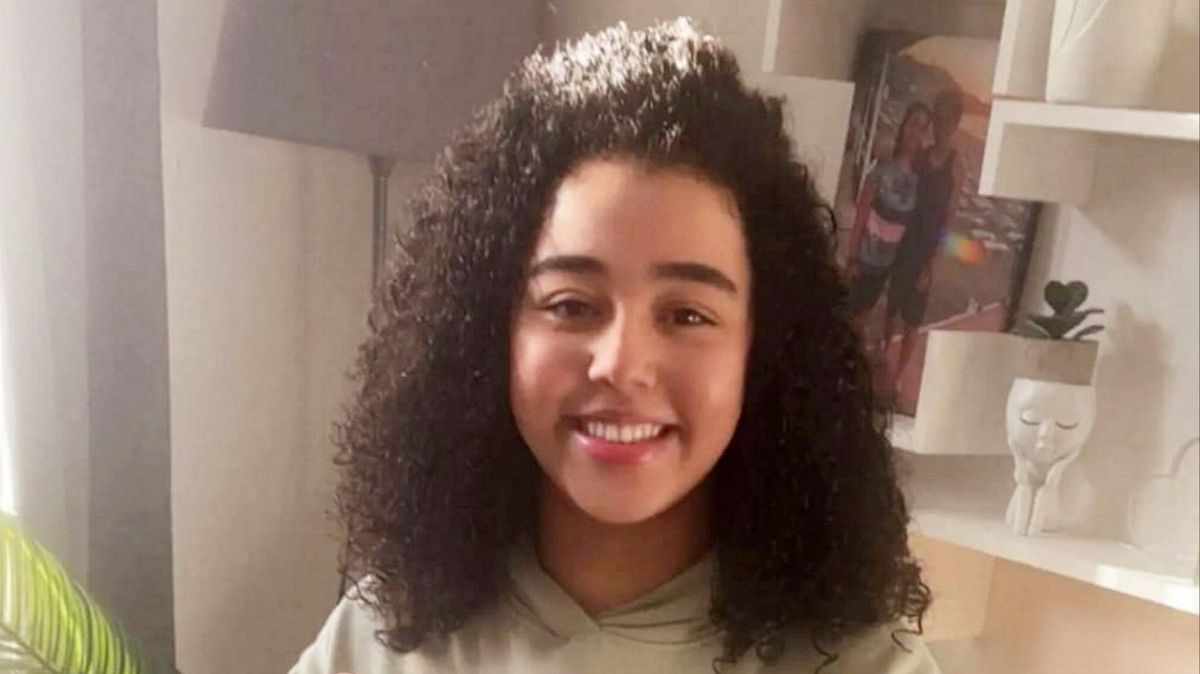
A teen who was told ‘not to worry’ about her seizure, was later diagnosed with a ‘pebble-sized’ brain tumor which led to her spiraling down a ‘rabbit hole’.
Shannon Graham’s life took an unexpected turn in January 2024 after a sudden medical incident.
The criminal science student from Dulwich, London, UK, was rushed to hospital following her first-ever seizure. At the time, an attending nurse suggested it could have been linked to dehydration.
However, after she returned home, Shannon says her situation continued to deteriorate.
She said: “When I woke up, my whole family was around me and dad told me I’d had a seizure.
“I’ve never had any seizures, so I was 100% scared and I had no idea what was going on.”
Shannon recalled that a ‘nurse told me I might have been dehydrated and not to worry’, so once she was discharged, she believed ‘everything was fine’.
That reassurance didn’t last. Just weeks later, she experienced another seizure while ‘drifting off to sleep’, during which she bit her tongue.

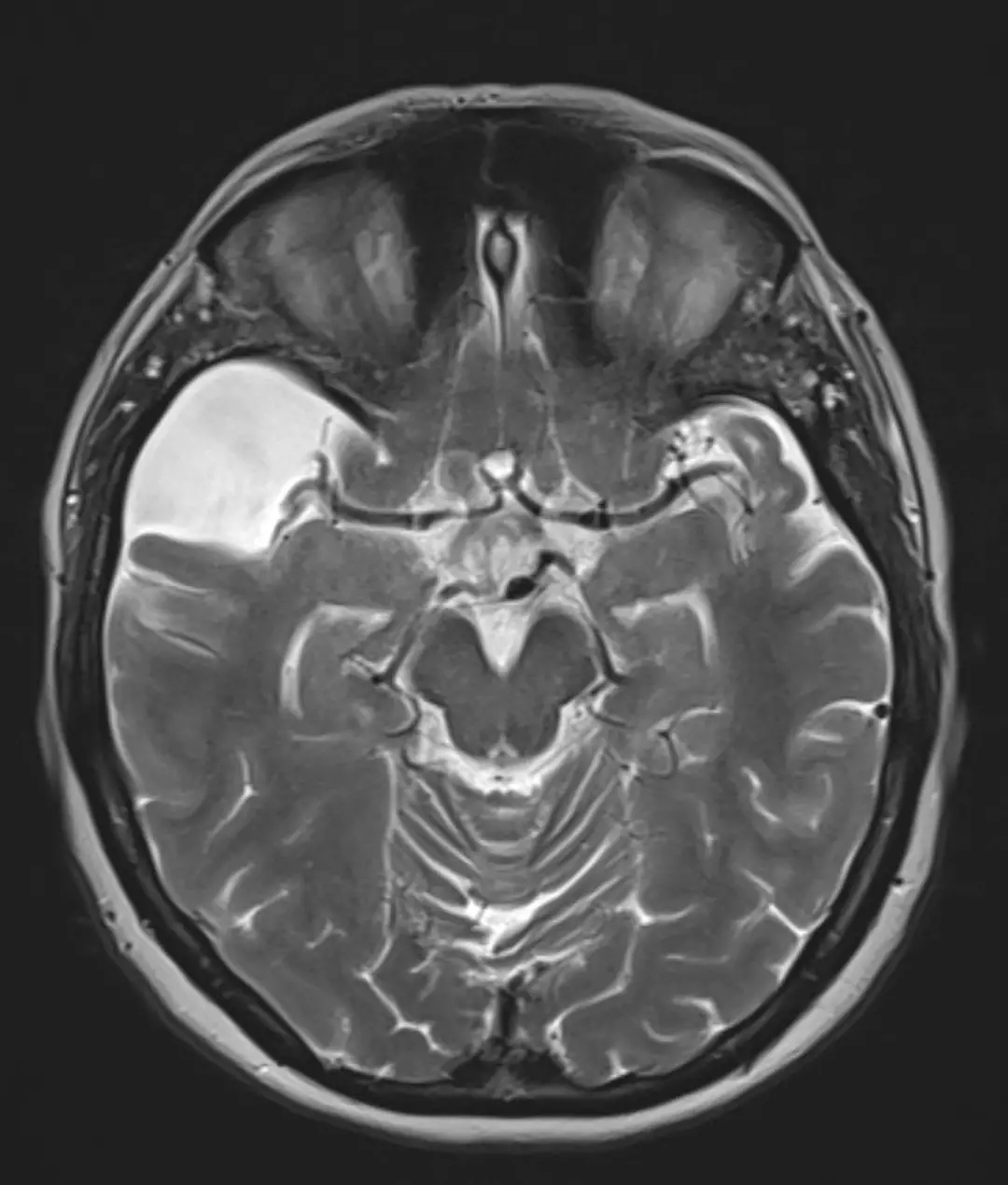
Following an MRI scan, doctors discovered a rare tumor. According to the National Library of Medicine, this type accounts for 1.2 per cent of tumor cases in people under 20, and 0.2 per cent in those over 20.
The growth was identified as a dysembryoplastic neuroepithelial tumor (DNET), which is most often found in the temporal or frontal lobe. In Shannon’s case, it developed in the frontal lobe.
She said that when she was shown the scan, the tumor looked like ‘a little pebble on the sand’. She explained the news hit her hard, adding that her mental health worsened as she ‘spiraled down into a really bad rabbit hole.’
Shannon was placed on anti-seizure medication and monitored closely with monthly MRI scans. She said even medical staff seemed uncertain about the cause and told her they found it unusual that no one in her family had preexisting epilepsy, given how ‘intense’ her seizures were.
She also described how powerful her seizures could be, sometimes causing her to lash out physically — including punching her parents without meaning to.
The ongoing impact of her condition left her struggling with depression.
“I just had appointment after appointment and therapy sessions because I was so depressed. I had eight months of being looked at and analysed – I hated it because I’m not a fan of hospitals,” she said.
In September 2025, surgeons removed the low-grade tumor, and Shannon was able to resume her studies at London South Bank University just a few weeks later.
Shannon said the ‘operation went smoothly, and they managed to remove the whole’ tumor.
She is now taking part in the 200k in May Your Way Challenge for Brain Tumour Research, a charity initiative that asks participants to complete 200 kilometers (124 miles) by walking, running, cycling, or swimming.
Shannon has currently been cleared of the tumor, but she will continue to have yearly MRI scans to ensure it does not return.