

What is house hacking? Banking sites say it’s become a popular strategy among Gen Z and Millennial buyers because it helps them achieve one key goal.
If you’re thinking about purchasing your first property but want to be smart about bringing in extra income at the same time, this approach may be worth a closer look.
“House hacking” has been gaining momentum in the housing market, and the appeal is that you don’t necessarily need to spend more money to do it.
In many cases, the idea is to own a home while also making the property help cover its own costs by renting out part of it.
And this isn’t limited to a simple rent-a-room setup—many people take it much further.
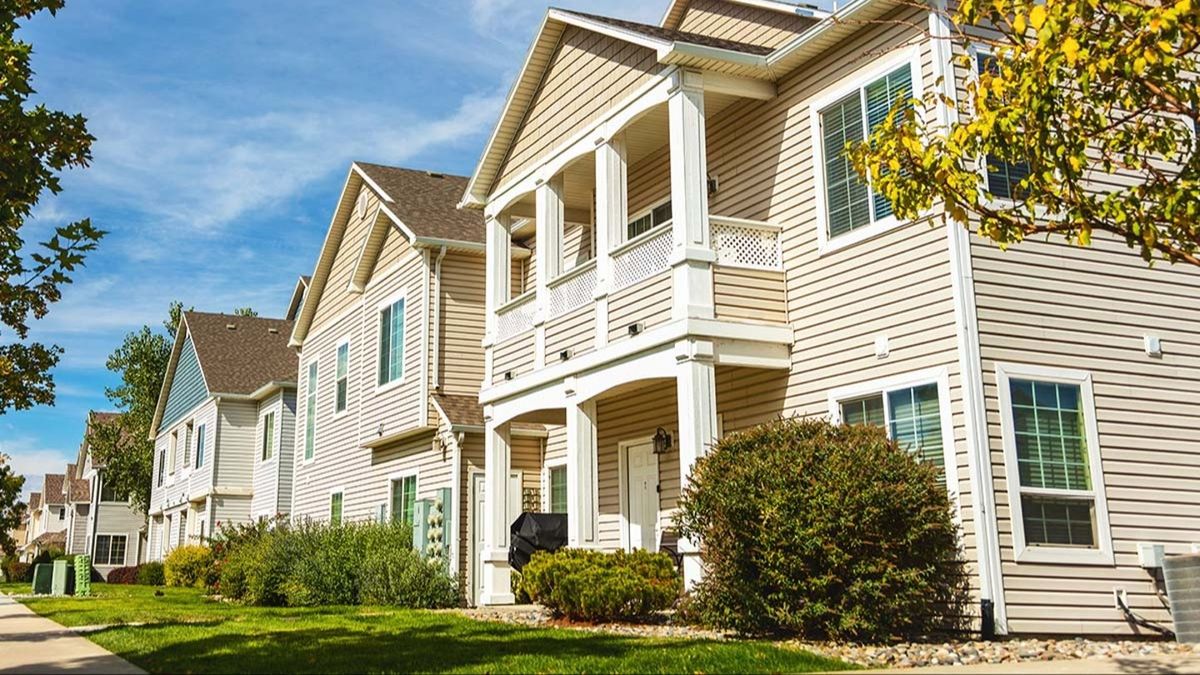
According to Webster First, a banking company, house hacking means to generate an income via purchasing a ‘multi-family home, living in one unit, and renting out the others so that your tenants are paying the majority’ or all of your mortgage repayments.

Housing costs have been difficult for many Americans, including people in their late 20s, 30s, and even 40s, according to Housing Center codirector Ed Pinto. Pinto, who authored a new study, argues the affordability crunch isn’t limited to one generation.
“The less-rich are getting squeezed out, and that trend is uniform across all age groups,” Pinto told Fortune.
As a result, younger buyers are increasingly approaching homeownership differently than previous generations did.
Instead of assuming they’ll live in every part of the home they purchase, many Gen Z and Millennial owners choose to occupy only a portion of the property and generate income from the rest.
That added cash flow can potentially help them build equity, and in time refinance to reduce their monthly mortgage payment.
Later on, some owners take the next step: buying a new primary home, then renting out the unit they previously lived in. In effect, rental income can help support the new mortgage, creating a longer-term buy-and-rent model.
And it doesn’t have to stop at renting an entire unit. Depending on the property and local rules, people may rent out a room, charge for use of a garage or parking spot, or find other ways to monetize available space.
Another route some people take is skipping tenants entirely by purchasing a run-down home at a lower price, renovating it, and selling it for a profit.
However, anyone considering these options should pay close attention to restrictions. For instance, if the home is part of an HOA (Homeowner’s Association), regulations may limit renting, renovations, or other income-related uses.
There are also practical risks to factor in.
Webster First notes that being a landlord can be demanding. If something breaks, you’re responsible for getting it handled.
You may also be depending on tenants to pay consistently and on time, and you could end up living very close to renters who aren’t a great fit.
Location matters too: buying in an undesirable area can make it harder to attract reliable renters. And if you plan to add units or modify the property, you’ll need to ensure the work complies with local ordinances and permitting requirements.
If not, you could be violating building rules and may face legal responsibility.