

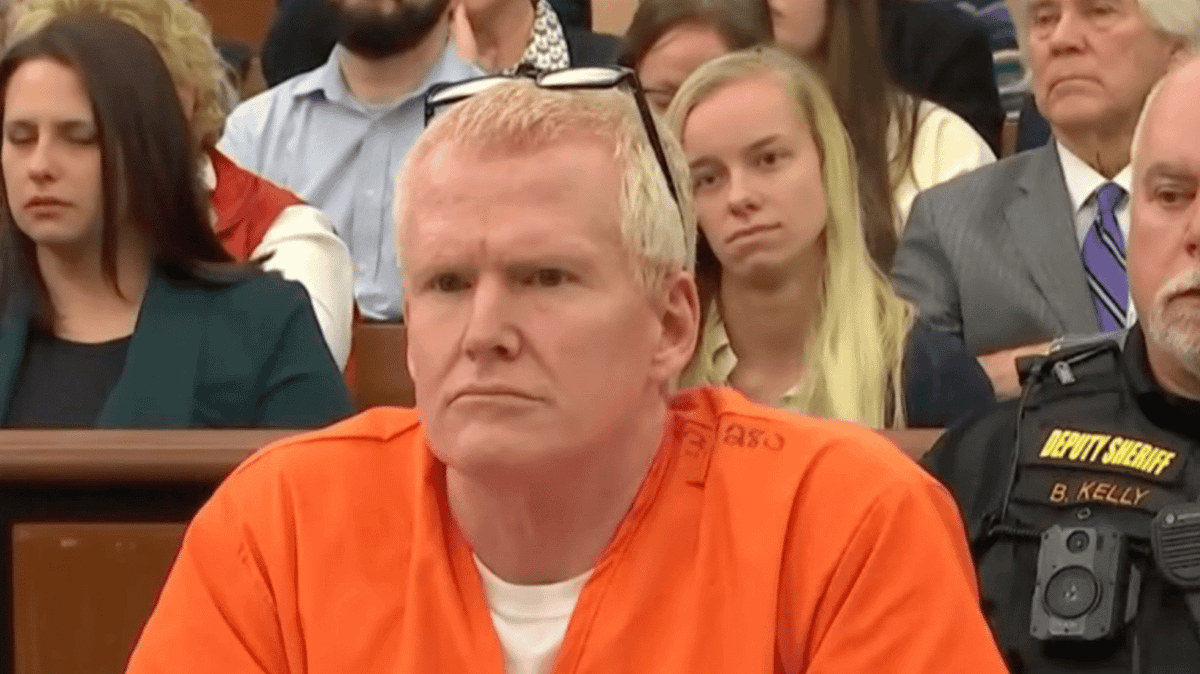
Disgraced lawyer Alex Murdaugh had his convictions for the killings of his wife and son thrown out this week, but that decision doesn’t put him anywhere close to freedom.
The case had gripped audiences far beyond South Carolina, tracing the downfall of a powerful local legal family after a fatal drunken boat crash involving one of Murdaugh’s sons sent scrutiny crashing down on the dynasty.
Paul, who was 21, was facing indictment connected to the 2021 boating death—pressure that threatened to expose what prosecutors said was a long trail of alleged misconduct by his father, including drug activity, sex-related offenses, and the theft of millions from his own law firm.
Days before Paul was expected to go to court, Alex called 911 and reported that he had discovered Paul and his wife, Maggie, dead near the kennels on the family’s sprawling 1,700-acre hunting property.
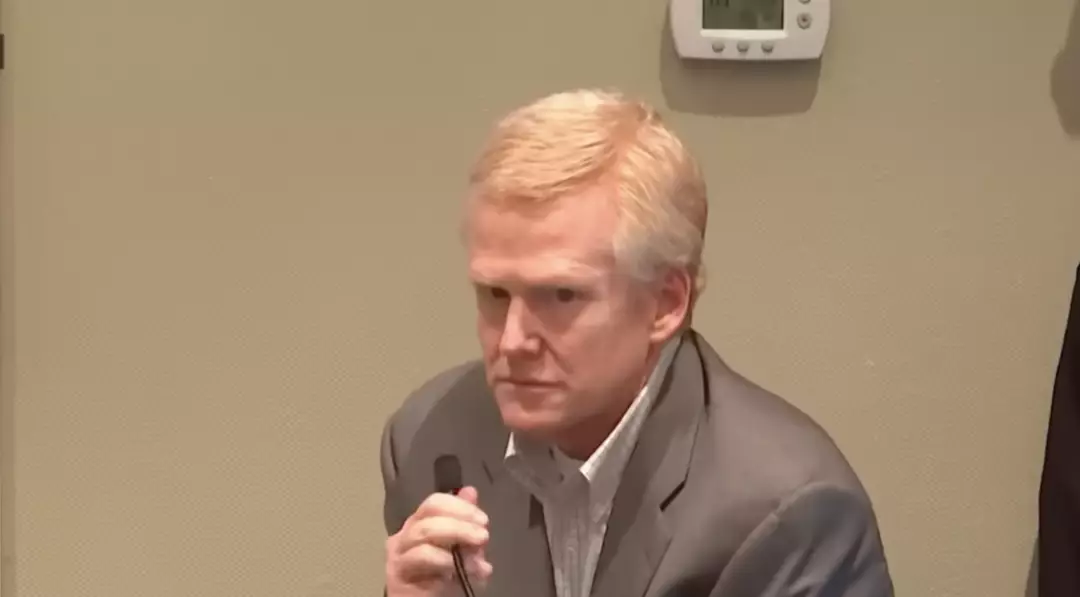
Investigators determined Maggie and Paul had been shot repeatedly, with more than one weapon involved. Murdaugh claimed he was away visiting his mother, who suffered from dementia, but authorities remained skeptical and continued to close in as other allegations around him mounted.
Prosecutors argued the killings were intended to derail his growing legal troubles and generate public sympathy. A jury ultimately convicted him, and he was sentenced to two consecutive life terms without parole, even though he maintained a not-guilty plea.
Now, that 2023 murder conviction has been overturned by the South Carolina Supreme Court after revelations that a court clerk made striking comments to jurors during the trial, including urging them not to be “fooled” by the experienced attorney.
The ruling may deepen anxiety for those impacted by the Murdaugh family’s broader scandal—especially with additional alleged wrongdoing and a vast slate of criminal counts tied to Murdaugh—but it still doesn’t create a realistic path to him leaving prison.
Former federal prosecutor and president of West Coast Trial Lawyers Neama Rahmani explained: “There is no new information in this case.”

She added: “The South Carolina Supreme Court’s ruling doesn’t mean Murdaugh is actually innocent, but rather that the integrity of the juror deliberations were tainted by clerk Becky Hill’s improper communications.”
Even as the decision forces families to relive painful events—including those tied to claims that Murdaugh diverted settlement funds meant for the relatives of a housekeeper who died at his home—legal experts say the reversal doesn’t translate into release.
Rahmani continued to explain: “Now that his conviction is overturned, Murdaugh will not be freed for two reasons. First, he gets a new trial, not an acquittal. Second, he pleaded guilty to financial crimes in state and federal court is a serving a 40-year prison sentence unrelated to the murders.
“Murdaugh’s only remedy is a new murder trial, which should happen sometime this year depending on the court and lawyers’ schedules.”
Mark Tinsley, who represents the family of the young woman killed in the boating crash involving Paul, also stressed that the reversal should not be mistaken for vindication, saying: “Clearly, he’s not innocent… It warrants a new trial. I don’t disagree with the analysis and the conclusion. I think it’s unfortunate, you know?
“The law protects the least of us, or the worst of us in this case, the same as the best of us. I don’t expect there’ll be a different outcome, and he’ll be found guilty again.”