

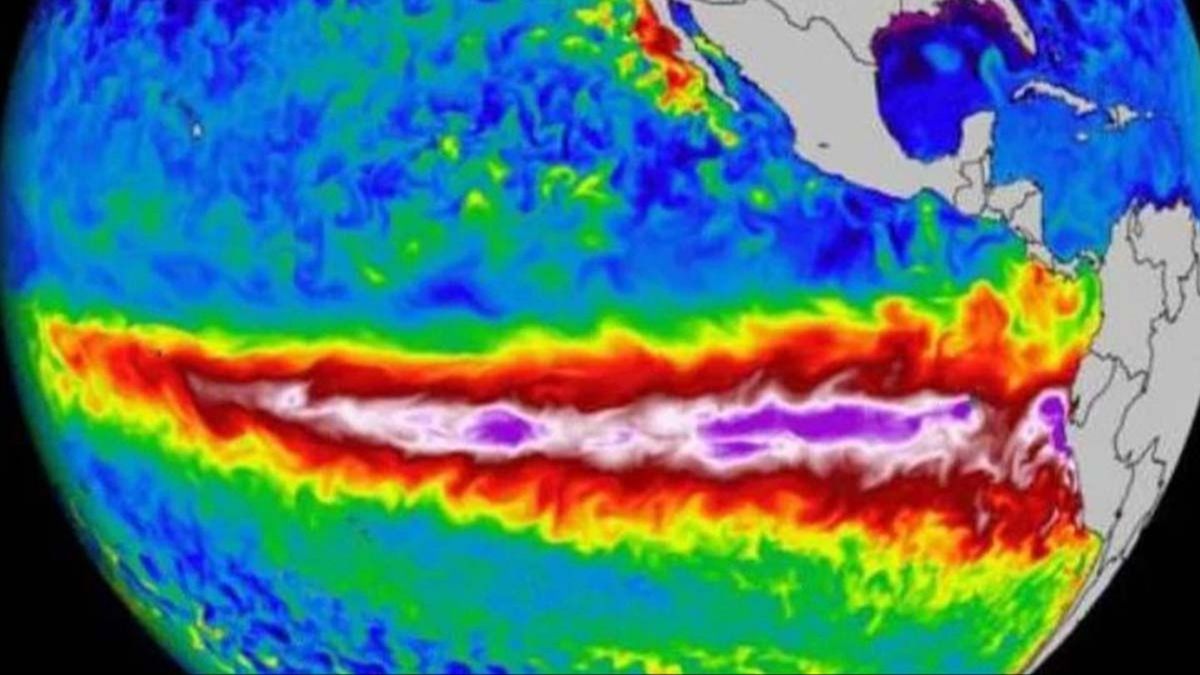
Fresh projections indicate a ‘Super’ El Niño is taking shape in the tropical Pacific Ocean and could become one of the most intense ever recorded, potentially pushing global temperatures to new highs and creating serious humanitarian consequences worldwide.
New analysis from the National Oceanographic and Atmospheric Administration (NOAA) suggests the tropical Pacific is warming quickly, with 2027 now expected to be the hottest year on record. NOAA researchers also anticipate El Niño conditions could begin as soon as this month.
If the term El Niño is unfamiliar beyond its Spanish meaning of “the boy,” it refers to a region of the tropical Pacific where sea-surface temperatures rise above normal levels.
A ‘super El Nińo’ is when that temperature goes above 34.7F.
More concerning, forecasts from the European Centre for Medium Range Weather Forecasts (ECMWF) estimate the coming super El Nińo could climb to roughly 36.5F by the fall.
So what could that mean in practical terms?
The most recent federal outlook from the Climate Prediction Center puts the odds at 82 percent that El Niño will be underway by at least July. Climate expert Zeke Hausfather has said it could be ‘among the strongest El Niños in recent history’, per the outlet.
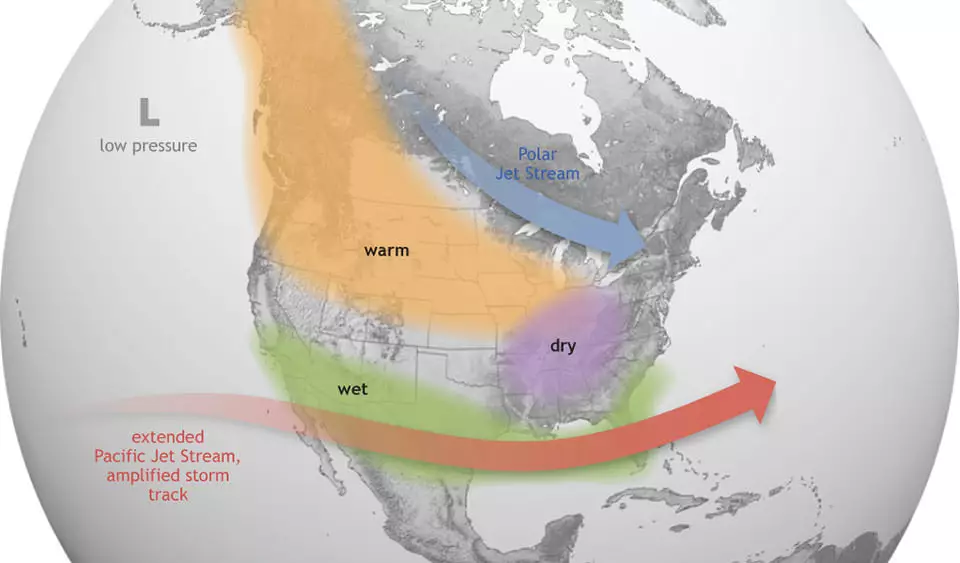
Because shifts in Pacific Ocean temperatures can ripple outward into global weather patterns, an unusually strong warming event can raise the likelihood of extremes such as drought, wildfires, and flooding.
El Niño can also affect hurricane activity in both the Atlantic and Pacific, and it may contribute to storms and flash flooding in parts of the United States, including the West and the South.
Conditions for the Plains through to the Ohio Valley are also a notable worry, AccuWeather’s lead long-range expert Paul Pastelok told the outlet.
He went on to say: “Drought and wildfire risk will also be major concerns in the Northwest.”
Another potential impact is on hurricane season, which begins May 15 in the Eastern Pacific and June 1 in the Atlantic. El Niño can help curb hurricane development in the Atlantic basin while strengthening storms in the warmer Pacific.
El Niño events have occurred many times before, including a particularly severe episode from 1997 to 1998.
That event led to 23,000 deaths and caused billions of dollars in damage.