

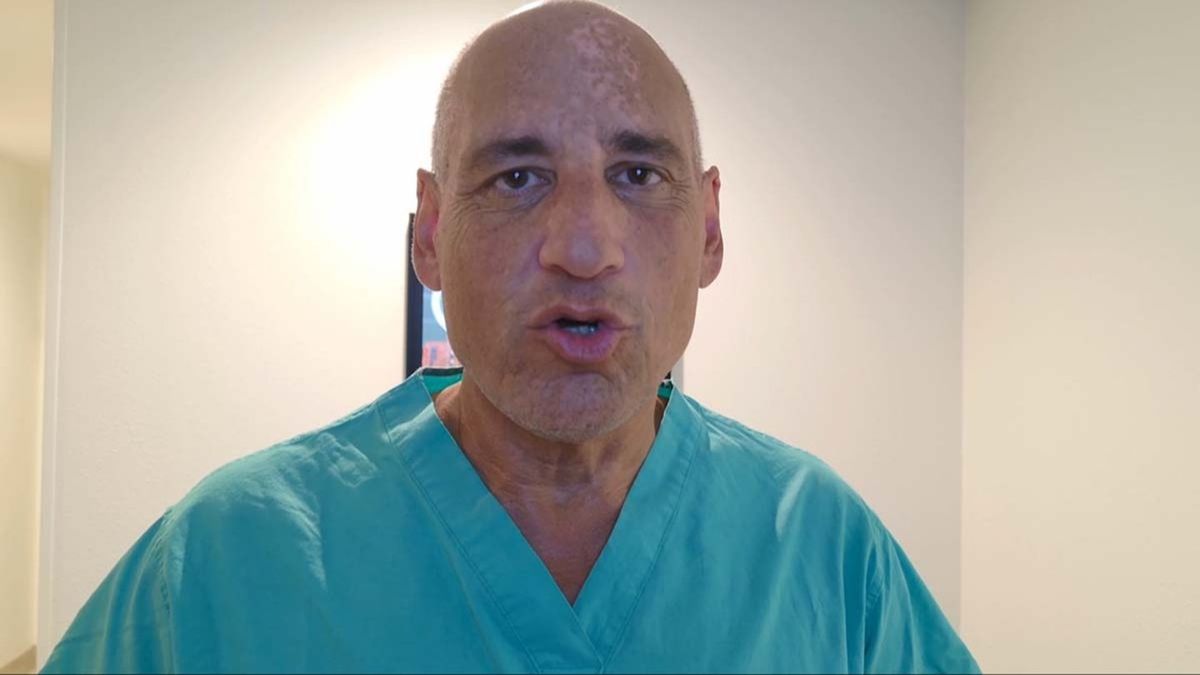
A heart surgeon has issued a warning about a common type of food he says can quietly harm heart health over time.
Dr Philip Ovadia, who has carried out thousands of procedures throughout his career, says certain everyday staples are contributing to problems that build for years before they become obvious.
Heart disease remains the leading cause of death in the US, with the CDC reporting 683,491 deaths in 2024.
By comparison, cancer was the next closest cause at 619,876 deaths, while “accidents” ranked third with 197,449.
Those figures underline why preventing heart disease is such a major public health focus — reducing risk could save lives and extend life expectancy for countless people.
Diet is one of the most accessible areas people can adjust, which raises the question: what foods does Dr Ovadia believe are showing up in many kitchens and undermining long-term heart health?
Dr Ovadia told vt.co: “This food drives insulin resistance, triggers chronic inflammation, and is slowly destroying your heart.”
He says the issue isn’t simply red meat, salt, or saturated fat — though he notes it’s still sensible to keep those in check.
Instead, his main concern is what he describes as “highly processed carbohydrates.”
He also warns that some products people often view as better-for-you choices can fall into the same category.
“Even foods marketed as healthy, like low-fat granola, whole wheat bread, and rice cakes are loaded with these refined carbs,” Dr Ovadia said.
“These foods spike your blood sugar and your insulin repeatedly, they promote chronic inflammation, they drive visceral fat storage.”
That can include obvious snack foods many already associate with poor nutrition, such as white bread, some breakfast cereals, crackers, and crisps.
But he says the broader list may surprise people, pointing to items like bagels, pasta, flavoured yoghurts, fruit juice, instant oatmeal, and granola bars.
Dr Ovadia argues that repeatedly triggering blood sugar and insulin spikes can contribute to plaque buildup in arteries, raising the risk of serious events such as heart attacks.
He said it creates “exactly the inflammatory environment that turns into that soft, unstable plaque I see causing heart attacks every week in the operating room.”
So what does he suggest eating instead for people trying to support better heart health?
Dr Ovadia recommends prioritising “real whole foods,” including vegetables and animal proteins, along with “healthy fats in their natural form.”