


A new Ebola outbreak with no vaccine, no specific treatment and a fatality rate of up to 50% has been declared a global health emergency, and it has already crossed an international border.
The World Health Organization (WHO) on Saturday elevated the situation to a Public Health Emergency of International Concern — its highest alert level — after the death toll rose to 80 amid 246 suspected cases recorded in at least three health zones in Ituri province in the Democratic Republic of Congo.
Health officials say the outbreak involves the Bundibugyo strain of Ebola, an uncommon but highly concerning variant first detected in 2007.
While vaccines exist for the better-known Zaire strain, there is currently no approved vaccine or targeted treatment for Bundibugyo, complicating response efforts.
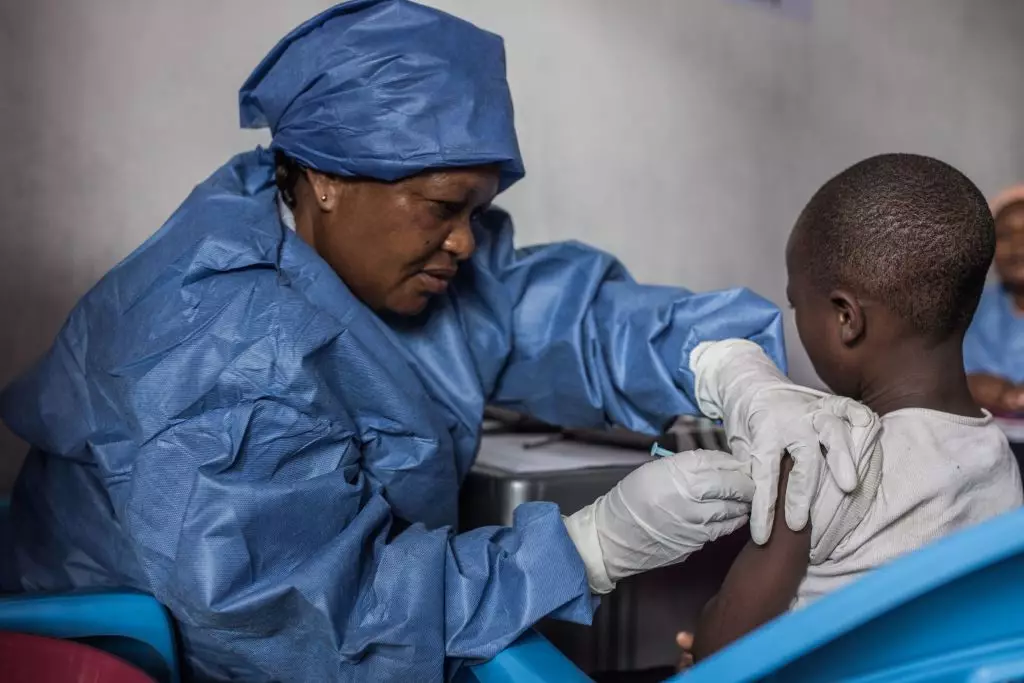
“The Bundibugyo strain has no vaccine, no specific treatment,” DR Congo health minister Samuel-Roger Kamba warned at a press briefing in Kinshasa on Saturday.
“This strain has a very high lethality rate which can reach 50 percent.”
Authorities trace the start of the outbreak to 24 April in Bunia, the provincial capital, after the first identified patient — reported to be a nurse — sought care at a health facility with symptoms consistent with Ebola.
Since then, suspected infections have been reported across multiple health zones in Ituri, a region that borders both Uganda and South Sudan, increasing the likelihood of cross-border transmission.
That risk has already materialised. Uganda confirmed two cases in Kampala on 15 May, both linked to travel from DR Congo.
One of those patients, a 59-year-old Congolese man, died in intensive care in Kampala on Thursday. Testing confirmed infection with the Bundibugyo strain. Separately, a confirmed case was also identified in Kinshasa in a person returning from Ituri, fuelling fears the outbreak could reach major population centres.

Jay Bhattacharya, acting director of the US Centre for Disease Control and Prevention, said the agency is “closely monitoring” developments and is “providing technical assistance” to DR Congo’s health authorities.
The WHO has warned the outbreak may be substantially larger than current figures indicate. In an early snapshot, eight of 13 samples tested were positive — a high positivity rate that can signal broader community spread. Officials also report that at least four healthcare workers have died, heightening concerns about transmission in clinical settings.
Conditions in Ituri make containment especially difficult. The province has been under military rule since 2001 and has long faced insecurity, with numerous armed groups active across the area.
Limited infrastructure, significant population movement across borders, and widespread informal healthcare services are all factors that could accelerate further spread.
In response, the WHO has called on neighbouring countries to urgently strengthen surveillance and has recommended exit screening at international airports, seaports, and key land crossings. It also advises that confirmed patients be isolated immediately and that identified contacts avoid international travel for 21 days following exposure.
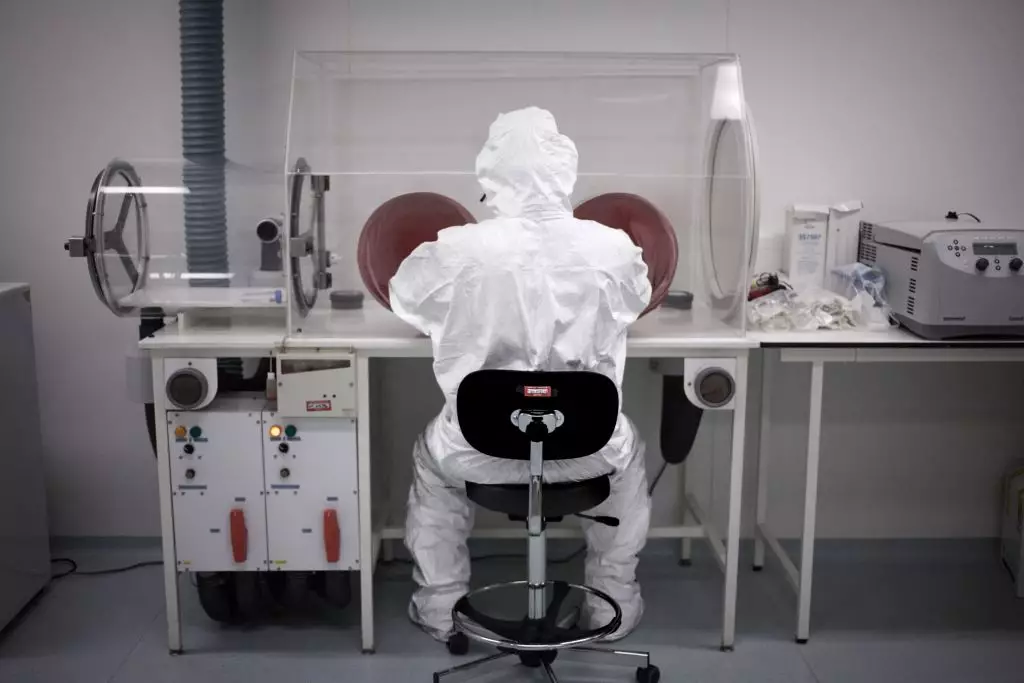
Ebola spreads through direct contact with the bodily fluids of someone who is infected, with contagiousness beginning after symptoms start. The incubation period can be as long as 21 days. Typical symptoms include fever, severe headache, muscle aches, vomiting and diarrhoea, and in severe cases internal and external bleeding and organ failure.
The WHO has begun airlifting five tonnes of medical supplies, including infection-prevention equipment, to Kinshasa. However, distributing materials within DR Congo remains challenging due to distance and limited transport networks in a country four times the size of France and home to more than 100 million people.
Across the past five decades, Ebola has caused roughly 15,000 deaths in Africa. DR Congo’s most lethal outbreak, from 2018 to 2020, killed nearly 2,300 people.